1. Specifications Comparison
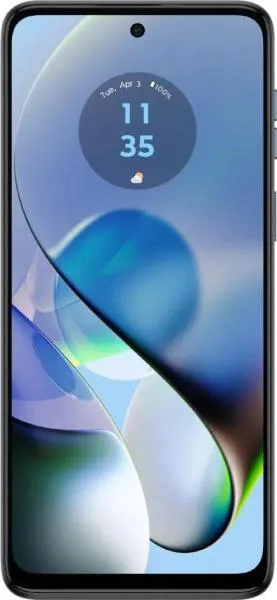
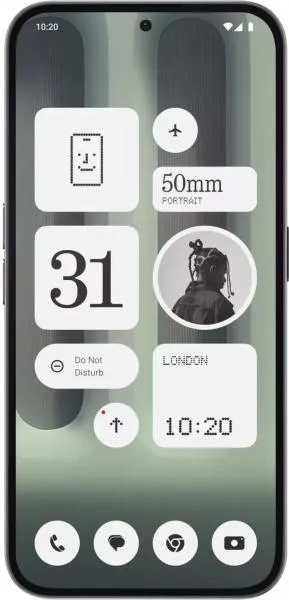
| Feature | Motorola Moto G54 | Nothing Phone (2a) Plus | Practical Impact |
|---|---|---|---|
| Design | |||
| Dimensions | 161.6 x 73.8 x 8 mm | 161.7 x 76.3 x 8.5 mm | Nothing Phone (2a) Plus is slightly larger and thicker. |
| Weight | 177g | 190g | Moto G54 is noticeably lighter, improving one-handed use. |
| Build Materials | Not specified | Not specified | Cannot compare build quality and durability. |
| Display | |||
| Display Type | IPS LCD, 120Hz | AMOLED, 1B colors, 120Hz, HDR10+ | Nothing Phone (2a) Plus offers significantly better contrast, colors, and HDR support resulting in a more vibrant and immersive viewing experience. |
| Size | 6.5" | 6.7" | Slightly larger screen on the Nothing Phone (2a) Plus provides more screen real estate. |
| Resolution | 1080 x 2400 | 1080 x 2412 | Virtually identical resolution; negligible real-world difference. |
| Peak Brightness | Not specified | 1300 nits | The significantly higher peak brightness of the Nothing Phone (2a) Plus ensures excellent outdoor visibility. The lack of data for the Moto G54 prevents a direct comparison. |
| Performance | |||
| Chipset | Mediatek Dimensity 7020 (6 nm) | Mediatek Dimensity 7350 Pro (4 nm) | The Nothing Phone (2a) Plus likely offers better performance and efficiency due to the smaller 4nm process node in its chipset. |
| CPU | Octa-core (2x2.2 GHz Cortex-A78 & 6x2.0 GHz Cortex-A55) | Octa-core (2x3.0 GHz Cortex-A715 & 6x 2.0 GHz Cortex-A510) | Nothing Phone (2a) Plus has faster prime cores, potentially leading to smoother performance in demanding tasks. |
| GPU | IMG BXM-8-256 | Mali-G610 MC4 | Difficult to compare without benchmarks. Both should handle everyday tasks and casual gaming well. |
| RAM | 8GB | 12GB | More RAM in the Nothing Phone (2a) Plus allows for better multitasking and smoother performance with multiple apps open. |
| Storage | 256GB | 256GB | Identical storage capacity. |
| Camera | |||
| Video Capabilities | 1080p@30/60fps | 4K@30fps (EIS), 1080p@60/120fps (EIS) | Nothing Phone (2a) Plus offers superior video recording capabilities with 4K resolution and Electronic Image Stabilization (EIS) at multiple frame rates. Missing detailed camera specs limit a thorough comparison. |
| Battery | |||
| Capacity | 5000 mAh | 5000 mAh | Identical battery capacity. Real-world battery life will depend on software optimization and usage patterns. |
| Software | |||
| OS | Android 13 | Android 14 | Nothing Phone (2a) Plus ships with a newer Android version and has a longer promised update cycle (up to Android 17). |
2. Key Differences Analysis
Motorola Moto G54 Advantages:
- Lighter Weight: More comfortable for extended use and one-handed operation.
- Potentially Lower Price: Depending on market pricing, could offer better value.
Nothing Phone (2a) Plus Advantages:
- Superior Display: AMOLED with HDR10+ offers a dramatically better visual experience.
- More Powerful Chipset: 4nm process and faster CPU cores translate to better performance and efficiency.
- More RAM: Improved multitasking and smoother performance.
- Better Video Recording: 4K resolution and EIS provide higher quality video capture.
- Newer Software with Longer Support: Android 14 out-of-the-box with updates promised up to Android 17.
3. User Profiles & Recommendations
Motorola Moto G54: Budget-conscious users prioritizing a lightweight phone for basic tasks like calling, texting, browsing, and casual media consumption.
Nothing Phone (2a) Plus: Users who value a premium display, smoother performance, better camera capabilities, and the latest software with extended support. Suitable for gaming, content creation, and demanding multitasking.
4. Decision Framework
Key Questions for Buyers:
- What is your budget? The Moto G54 is likely more affordable.
- How important is display quality? The AMOLED display on the Nothing Phone (2a) Plus is a major differentiator.
- What are your performance needs? The Nothing Phone (2a) Plus offers better performance for demanding tasks and gaming.
Scenario-Based Recommendations:
- Limited Budget, Basic Use: Moto G54
- Balanced Needs, Value for Money: Depends on pricing; assess the price difference against the Nothing Phone (2a) Plus's superior features.
- Best Possible Experience, Future-Proofing: Nothing Phone (2a) Plus
My Choice: Nothing Phone (2a) Plus
While lacking some specific details like build materials, the Nothing Phone (2a) Plus is the clear winner for me. The superior AMOLED display, more powerful processor, extra RAM, better video recording capabilities, and the promise of longer software updates significantly outweigh the slight increase in size and weight. The Moto G54's lighter weight is a plus, but the Nothing Phone (2a) Plus offers a more compelling overall package for a modern smartphone experience. I prioritize display quality, performance, and long-term software support, making the Nothing Phone (2a) Plus the better choice in my opinion.
