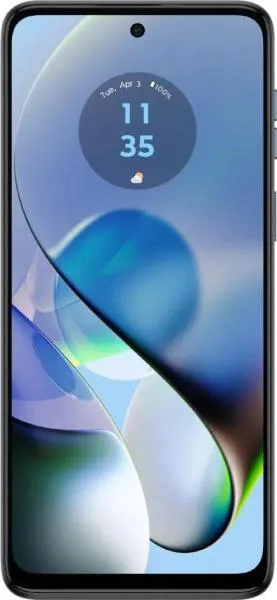
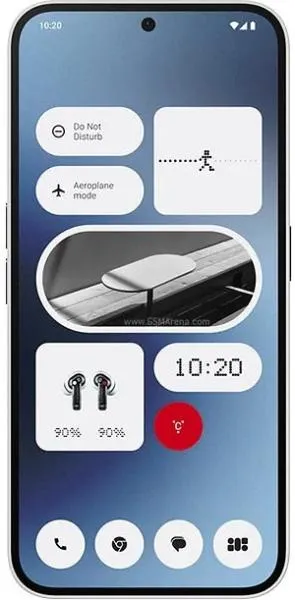
1. Specifications Comparison
| Feature | Motorola Moto G54 | Nothing Phone (2a) | Practical Impact |
|---|---|---|---|
| Design | |||
| Dimensions | 161.6 x 73.8 x 8 mm | 161.7 x 76.3 x 8.6 mm | The Nothing Phone (2a) is slightly larger and thicker. |
| Weight | 177g | 190g | The Moto G54 is noticeably lighter, improving one-handed use. |
| Build Materials | Not specified | Not specified | Cannot compare build quality and durability. |
| Display | |||
| Display Type | IPS LCD, 120Hz | AMOLED, 1B colors, 120Hz, HDR10+ | The Nothing Phone (2a)'s AMOLED offers superior contrast, deeper blacks, and HDR support for richer visuals. |
| Size | 6.5" | 6.7" | The Nothing Phone (2a) provides a slightly larger screen for media consumption. |
| Resolution | 1080 x 2400 | 1080 x 2412 | Virtually identical resolution; no noticeable difference in sharpness. |
| Peak Brightness | Not specified | 1300 nits | The Nothing Phone (2a)'s significantly higher peak brightness ensures excellent outdoor visibility. The lack of data for the Moto G54 prevents a direct comparison but suggests it may struggle in bright sunlight. |
| Refresh Rate | 120Hz | 120Hz | Both offer smooth scrolling and animations. |
| Performance | |||
| Chipset | Mediatek Dimensity 7020 (6 nm) | Mediatek Dimensity 7200 Pro (4 nm) | The Nothing Phone (2a)'s newer and more powerful processor built on a smaller node should result in better performance and efficiency. |
| CPU | Octa-core (2x2.2 GHz Cortex-A78 & 6x2.0 GHz Cortex-A55) | Octa-core (2x2.8 GHz Cortex-A715 & 6x2.0 GHz Cortex-A510) | The Nothing Phone (2a) has a faster CPU, leading to quicker app loading and multitasking. |
| GPU | IMG BXM-8-256 | Mali-G610 MC4 | The Nothing Phone (2a) likely has a more powerful GPU, benefiting gaming and graphically demanding tasks. Direct comparison is difficult without benchmarks. |
| RAM | 8GB | 12GB | The Nothing Phone (2a)'s extra RAM allows for smoother multitasking and keeps more apps open in the background. |
| Storage | 256GB | 256GB | Both offer the same storage capacity. |
| Battery | |||
| Capacity | 5000 mAh | 5000 mAh | Identical battery capacity suggests similar battery life, but real-world usage will vary due to differing chipsets and displays. |
| Software | |||
| OS | Android 13 | Android 14 | The Nothing Phone (2a) ships with a newer Android version, offering potential feature and security advantages. It also boasts longer OS update support up to Android 17. |
| Camera | |||
| Video Capabilities | 1080p@30/60fps | 4K@30fps (EIS), 1080p@60/120fps (EIS) | The Nothing Phone (2a) offers superior video recording capabilities with 4K resolution and Electronic Image Stabilization (EIS) for smoother footage. Lack of detailed camera specs limits a comprehensive comparison. |
2. Key Differences Analysis
Motorola Moto G54 Advantages:
- Lighter: Noticeably lighter, making it more comfortable for extended use.
- Potentially More Affordable: While both are mid-range, the older release date of the G54 might translate to lower current market price.
Nothing Phone (2a) Advantages:
- Superior Display: AMOLED technology with HDR10+ and higher brightness provides a vastly improved visual experience.
- More Powerful Performance: Newer, more efficient chipset, faster CPU and likely better GPU translate to smoother operation and better gaming.
- More RAM: 12GB RAM enables superior multitasking.
- Better Video Recording: 4K recording and EIS provide higher quality video capture.
- Newer Software with Longer Support: Ships with Android 14 and guaranteed updates to Android 17.
3. User Profiles & Recommendations
Motorola Moto G54: Budget-conscious users prioritizing a lightweight phone for basic tasks like calling, texting, and web browsing.
Nothing Phone (2a): Users who value a premium display, strong performance for gaming or demanding applications, and the latest Android features with longer software support.
4. Decision Framework
Key Questions for Buyers:
- What is your budget? The Moto G54 is likely more affordable.
- What are your primary use cases? Basic tasks vs. gaming, media consumption, demanding applications.
- How important is display quality and brightness? The Nothing Phone (2a) significantly excels in this area.
My Choice: Nothing Phone (2a)
While the Moto G54 offers a lighter weight, the Nothing Phone (2a)'s advantages in display quality, performance, RAM, software support, and video recording capabilities are far more significant to me. The more powerful processor and increased RAM ensure a smoother user experience in the long run. The superior AMOLED display and guaranteed software updates make the Nothing Phone (2a) a more future-proof choice, justifying the likely price difference. The slightly heavier weight is a minor trade-off for these substantial benefits.
