1. Specifications Comparison
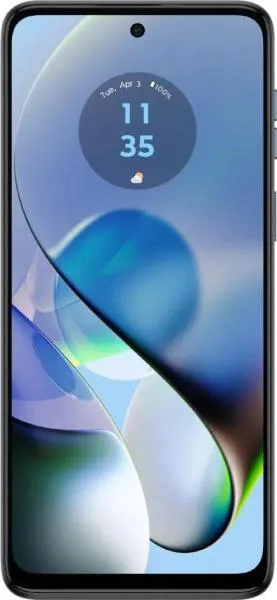
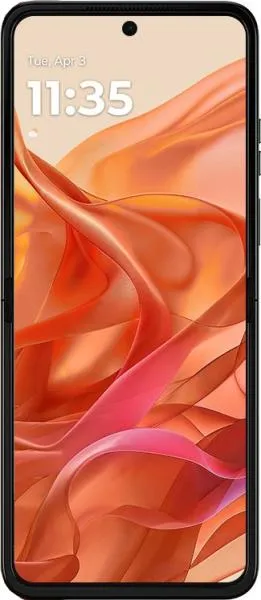
| Feature | Motorola Moto G54 | Motorola Razr 50 | Practical Impact |
|---|---|---|---|
| Design | |||
| Dimensions | 161.6 x 73.8 x 8 mm | 171.3 x 74 x 7.3 mm (folded) | Razr 50 significantly more compact when folded, pocketable; G54 thinner when unfolded. |
| Weight | 177g | 188.4g | Razr 50 noticeably heavier, but expected due to folding mechanism. |
| Build | Unspecified | Unspecified | Build materials and durability are unknown, limiting comparison. |
| Foldable | No | Yes | Razr 50 offers a larger screen in a compact form factor due to folding capability. |
| Display | |||
| Size | 6.5" | 6.9" | Razr 50 offers a larger viewing area. |
| Type | IPS LCD | Foldable LTPO AMOLED | Razr 50's AMOLED provides superior contrast, deeper blacks, and potentially better power efficiency due to LTPO; G54's LCD might be brighter outdoors in direct sunlight. |
| Resolution | 1080 x 2400 | 1080 x 2640 | Similar pixel density, minimal practical difference in sharpness. |
| Refresh Rate | 120Hz | 120Hz | Both offer smooth scrolling and animations. |
| Peak Brightness | Unspecified | 3000 nits | Razr 50 significantly brighter, ensuring excellent outdoor visibility; G54's unspecified brightness limits this comparison. |
| Performance | |||
| Chipset | Mediatek Dimensity 7020 (6nm) | Mediatek Dimensity 7300X (4nm) | Razr 50 likely offers better performance and efficiency due to newer and more advanced chipset built on a smaller process node. |
| CPU | Octa-core (2x2.2 GHz Cortex-A78 & 6x2.0 GHz Cortex-A55) | Octa-core (4x2.5 GHz Cortex-A78 & 4x2.0 GHz Cortex-A55) | Razr 50 has faster prime cores, resulting in improved performance in demanding tasks. |
| GPU | IMG BXM-8-256 | Mali-G615 MC2 | GPU comparison is difficult without benchmarks, though Razr 50's newer architecture likely offers a performance advantage. |
| RAM | 8GB | 12GB | Razr 50 allows for more apps to run in the background without reloading, improving multitasking. |
| Storage | 256GB | 512GB | Razr 50 provides double the storage. |
| Battery | |||
| Capacity | 5000 mAh | 4200 mAh | G54 has a larger battery, potentially longer battery life; real-world usage will depend on the Razr 50's power optimization for its foldable display. |
| Other | |||
| OS | Android 13 | Android 14 | Razr 50 comes with a newer OS version, offering potential feature and security updates. |
2. Key Differences Analysis
Motorola Moto G54 Advantages:
- Potentially longer battery life: Larger battery capacity suggests better endurance.
- Potentially lower price: Generally, non-folding phones are less expensive.
Motorola Razr 50 Advantages:
- Foldable design: Offers a large screen in a compact, pocketable form factor.
- Superior Display: AMOLED technology with higher brightness and better contrast ratio.
- More Powerful Performance: Newer and more powerful chipset, more RAM.
- Larger Storage: Double the storage capacity of the G54.
- Newer OS: Ships with Android 14.
Trade-offs:
- Razr 50: Higher price, potentially shorter battery life due to the foldable display and smaller battery, added complexity and potential durability concerns associated with a folding mechanism.
- G54: Less powerful, less vibrant display, less storage.
3. User Profiles & Recommendations
Moto G54: Budget-conscious users who prioritize battery life and a simple, reliable smartphone experience. Suitable for everyday tasks like browsing, social media, and light gaming.
Razr 50: Users who value portability and a large screen, early adopters who want the latest technology, and those willing to pay a premium for a foldable design. Suitable for users who multitask heavily, consume media on the go, and appreciate a compact yet powerful device.
4. Decision Framework
Key Questions:
- What is your budget? The Razr 50 is likely significantly more expensive.
- How important is portability? The Razr 50's foldable design offers a unique advantage.
- What are your performance and display quality expectations? The Razr 50 significantly outperforms the G54 in these areas.
Scenario-Based Recommendations:
- Limited Budget: Moto G54
- Prioritize Portability and Innovation: Moto Razr 50
- Demand High Performance and a Great Display: Moto Razr 50
My Choice: Motorola Razr 50
While lacking specific pricing information, I would choose the Motorola Razr 50. The foldable design is a compelling feature offering a large screen in a truly pocketable format. The superior AMOLED display, more powerful chipset, increased RAM and storage, and newer Android version contribute to a more future-proof and premium experience. While battery life is a concern, the advancements in chipset technology and LTPO displays mitigate this somewhat. I am willing to accept a potential trade-off in battery life for the significant advantages in portability, performance, and display quality. The innovative form factor and potential for improved productivity outweigh the potential downsides for my personal needs.
