1. Specifications Comparison
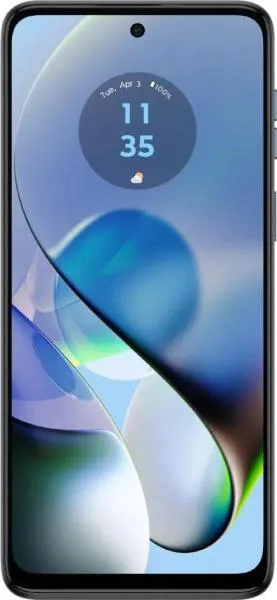
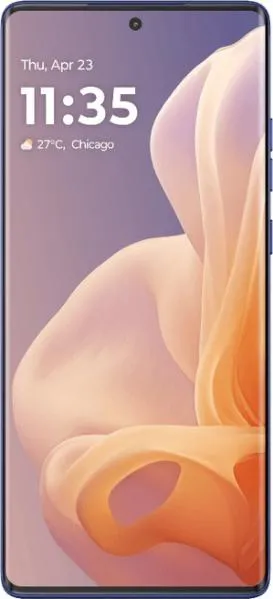
| Feature | Motorola Moto G54 | Motorola Moto G85 | Practical Impact |
|---|---|---|---|
| Design | |||
| Dimensions | 161.6 x 73.8 x 8 mm | 161.9 x 73.1 x 7.6 mm | Virtually identical in size and hand feel. G85 slightly thinner. |
| Weight | 177 g | 171 g | Negligible weight difference in real-world usage. |
| Fingerprint Sensor | Side-mounted | Under-display | Personal preference; under-display is often considered more modern. |
| Display | |||
| Display Type | IPS LCD, 120Hz | P-OLED, 1B colors, 120Hz | G85 offers deeper blacks, more vibrant colors, and potentially better power efficiency due to OLED technology. |
| Size | 6.5" | 6.67" | G85 offers slightly larger screen real estate for media consumption. |
| Resolution | 1080 x 2400 | 1080 x 2400 | Identical resolution; sharpness will be similar given the slight size difference. |
| Refresh Rate | 120Hz | 120Hz | Both offer smooth scrolling and animations. |
| Peak Brightness | Not specified | 1600 nits | G85's significantly higher peak brightness ensures excellent outdoor visibility. Lack of data for the G54 makes direct comparison impossible. |
| Performance | |||
| Chipset | Mediatek Dimensity 7020 (6 nm) | Qualcomm Snapdragon 6s Gen 3 (6 nm) | Both are mid-range chipsets; performance differences likely minimal for everyday tasks. Benchmarking data would be needed for a definitive comparison. |
| CPU | Octa-core (2x2.2 GHz Cortex-A78 & 6x2.0 GHz Cortex-A55) | Octa-core (2x2.3 GHz Cortex-A78 & 6x2.0 GHz Cortex-A55) | G85 has slightly faster prime cores, potentially offering a minor performance edge in demanding applications. |
| GPU | IMG BXM-8-256 | Adreno 619 | Performance differences likely minimal for casual gaming. Detailed GPU comparisons are needed. |
| RAM | 8GB | 12GB | G85's extra RAM allows for more efficient multitasking and smoother performance with multiple apps open. |
| Storage | 256GB | 256GB | Identical storage capacity. |
| Battery | |||
| Capacity | 5000 mAh | 5000 mAh | Identical battery capacity; real-world battery life will depend on software optimization and usage patterns. |
| Software | |||
| OS | Android 13 | Android 14 | G85 ships with a newer Android version, offering potential feature and security advantages. |
| Other | |||
| NFC | Yes | Yes | Both support contactless payments. |
| USB | USB Type-C 2.0, OTG | USB Type-C 2.0 | Both offer standard charging and data transfer; G54 supports On-The-Go for connecting peripherals. |
2. Key Differences Analysis
Moto G85 Advantages:
- Superior Display: The P-OLED display with 1B colors and 1600 nits peak brightness offers significantly better visual quality and outdoor readability compared to the G54's IPS LCD.
- More RAM: 12GB RAM enables superior multitasking performance.
- Newer OS: Android 14 provides the latest features and security updates.
Moto G54 Advantages:
- Potentially Lower Price: As an older model, the G54 might be more affordable.
- USB OTG: Supports connecting peripherals like USB drives and keyboards directly to the phone.
3. User Profiles & Recommendations
Moto G85: Users who prioritize display quality, smooth multitasking, and having the latest software features. Ideal for media consumption, gaming, and productivity.
Moto G54: Budget-conscious users who prioritize value and require USB OTG functionality. Suitable for everyday tasks, light gaming, and general usage.
4. Decision Framework
Key Questions for Buyers:
- What is your budget? The G54 is likely more affordable.
- How important is display quality? The G85's OLED display is a major advantage.
- Do you need extensive multitasking capabilities? The G85's 12GB RAM is beneficial for power users.
My Choice: Motorola Moto G85
While lacking some specific details for the Moto G54 (like peak brightness), the Moto G85 is the clear winner for me. The superior P-OLED display with high brightness, coupled with the extra RAM and newer Android version, offers a significantly better overall user experience. While the G54 might be more budget-friendly, the G85's advantages in key areas like display and performance justify the potential price difference. The improved display alone dramatically impacts daily usage, from watching videos to browsing photos. As someone who values a vibrant and easily viewable screen, this is a crucial deciding factor. The additional RAM on the G85 also future-proofs the device, ensuring smoother performance as apps become more demanding.
