1. Specifications Comparison
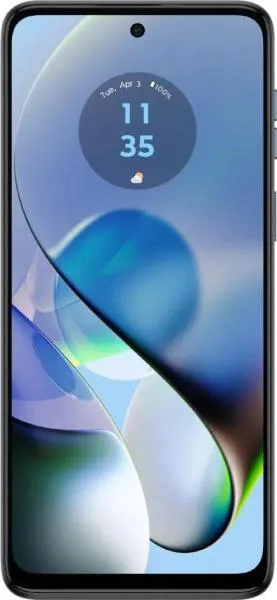
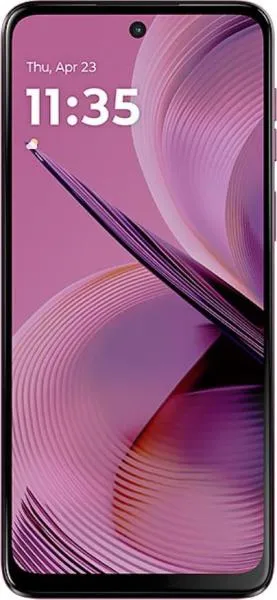
| Feature | Motorola Moto G54 | Motorola Moto G55 | Practical Impact |
|---|---|---|---|
| Design | |||
| Dimensions | 161.6x73.8x8mm | 161.6x73.8x8.1mm | Virtually identical dimensions; negligible 0.1mm depth difference. |
| Weight | 177g | 179g | Negligible 2g weight difference; unlikely to be noticeable in hand. |
| Colors | Midnight blue, Indigo blue, Glacier blue, Mint green | Forest Grey, Smoky Green, Twilight Purple | Primarily a matter of personal preference. |
| Display | |||
| Size | 6.5" | 6.49" | Virtually identical screen sizes; negligible real-world difference in viewing experience. |
| Type | IPS LCD, 120Hz | IPS LCD, 120Hz | Both offer smooth scrolling and animations thanks to the 120Hz refresh rate. |
| Resolution | 1080x2400 | 1080x2400 | Identical resolution; equal sharpness and clarity. |
| Peak Brightness | N/A | N/A | Cannot compare outdoor visibility without this information. |
| Performance | |||
| Chipset | Dimensity 7020 | Dimensity 7025 | G55's slightly faster CPU cores (2.5GHz vs 2.2GHz) might offer minor performance improvements in demanding tasks. |
| CPU | Octa-core (2x2.2 GHz Cortex-A78 & 6x2.0 GHz Cortex-A55) | Octa-core (2x2.5 GHz Cortex-A78 & 6x2.0 GHz Cortex-A55) | G55 likely offers slightly improved performance in demanding applications and multitasking. |
| GPU | IMG BXM-8-256 | IMG BXM-8-256 | Identical GPUs; similar gaming performance. |
| RAM | 8GB | 8GB | Same RAM capacity; equal multitasking capabilities. |
| Storage | 256GB | 256GB | Same storage; identical capacity for apps, photos, and files. |
| Other | |||
| OS | Android 13 | Android 14 | G55 offers the latest Android version with newer features and security updates. |
| Battery | 5000 mAh | 5000 mAh | Identical battery capacity; expected similar battery life. |
| NFC | Yes | Yes | Both support contactless payments and data transfer. |
| USB | USB Type-C 2.0, OTG | USB Type-C 2.0 | G54 offers OTG for connecting peripherals directly. G55's USB details lacking specification. |
| Sensors | accelerometer, gyro, proximity, compass, Fingerprint (side-mounted) | accelerometer, gyro, proximity, compass, Fingerprint (side-mounted) | Identical sensor sets; no practical difference. |
| Video Capabilities | 1080p@30/60fps | 1080p@30/60fps | Identical video recording capabilities. |
2. Key Differences Analysis
- Moto G55 Advantages: Newer Android OS (14), slightly faster CPU. The newer OS provides the latest features, security updates, and potential performance optimizations. The slightly faster CPU clock speed might translate to slightly faster app loading and smoother multitasking, especially noticeable in demanding applications or games.
- Moto G54 Advantages: OTG support. This allows for direct connection of peripherals like USB drives or keyboards, expanding functionality.
3. User Profiles & Recommendations
- Moto G54: Users prioritizing connecting peripherals directly via USB, and who are comfortable with a slightly older but still very capable Android version.
- Moto G55: Users prioritizing having the latest software features, security updates, and a slightly more powerful processor for demanding tasks or future-proofing.
4. Decision Framework
Key Questions:
- How important is having the latest Android version and features?
- Do you need to connect peripherals directly to your phone via USB?
- Are you sensitive to minor performance differences in everyday use?
My Choice: Motorola Moto G55
While the differences are minimal, I would choose the Moto G55. The newer Android OS (14) is a significant advantage in terms of software features, security updates, and potential performance optimizations. While the CPU performance difference might be subtle in everyday use, it offers a degree of future-proofing. The lack of OTG support on the G55 is a minor inconvenience for me personally, as I rarely use this feature. The combination of the latest software and slightly improved processing power makes the G55 a more compelling choice for long-term use.
