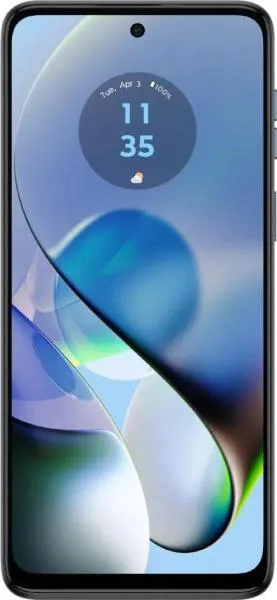
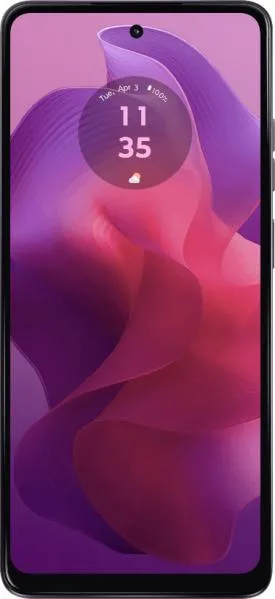
1. Specifications Comparison
| Feature | Motorola Moto G54 | Motorola Moto G24 | Practical Impact |
|---|---|---|---|
| Design | |||
| Dimensions (HxWxD) | 161.6 x 73.8 x 8 mm | 163.5 x 74.5 x 8 mm | Virtually identical in size and thickness. |
| Weight | 177g | 181g | Negligible weight difference in real-world usage. |
| Build Materials | Not specified | Not specified | Cannot compare build quality and durability. |
| Display | |||
| Size | 6.5" | 6.56" | Negligible size difference. |
| Type | IPS LCD | IPS LCD | Both offer similar color reproduction and viewing angles, typical of LCD technology. |
| Resolution | 1080 x 2400 (FHD+) | 720 x 1612 (HD+) | G54 offers significantly sharper visuals, especially noticeable in text, images, and videos. |
| Refresh Rate | 120Hz | 90Hz | G54 provides smoother scrolling and animations, resulting in a more fluid user experience. |
| Peak Brightness | Not specified | 537 nits | G24's specified peak brightness suggests better outdoor visibility; however, without G54's value, a direct comparison is impossible. |
| Performance | |||
| Chipset | Mediatek Dimensity 7020 (6 nm) | Mediatek Helio G85 (12 nm) | G54's more modern and efficient chipset will likely offer significantly better performance in demanding tasks and gaming. The 6nm process suggests better battery efficiency compared to the 12nm process of the G24. |
| CPU | Octa-core (2x2.2 GHz Cortex-A78 & 6x2.0 GHz Cortex-A55) | Octa-core (2x2.0 GHz Cortex-A75 & 6x1.7 GHz Cortex-A55) | G54 features faster and more modern CPU cores, leading to improved responsiveness and multitasking capabilities. |
| GPU | IMG BXM-8-256 | Mali-G52 MC2 | G54 likely offers better gaming performance and graphics rendering due to a more powerful GPU. |
| RAM | 8GB | 8GB | Both offer the same amount of RAM, ensuring smooth multitasking. |
| Storage | 256GB | 128GB | G54 offers double the storage, allowing for more apps, photos, and videos. |
| Camera | |||
| Rear Camera | Not specified for either phone | Not specified for either phone | Camera quality cannot be compared due to lack of information. |
| Video Recording | 1080p@30/60fps | 1080p@30fps | G54 offers 60fps recording for smoother video capture. |
| Battery | |||
| Capacity | 5000 mAh | 5000 mAh | Identical battery capacity suggests similar battery life, though real-world usage will depend on other factors like the display and chipset. |
| Software | |||
| OS | Android 13 | Android 14 | G24 ships with a newer Android version out-of-the-box, potentially offering newer features and longer software support. |
2. Key Differences Analysis
Moto G54 Advantages:
- Superior Display: Higher resolution and refresh rate result in a sharper and smoother visual experience.
- Significantly Better Performance: A more powerful and efficient chipset, CPU, and GPU translate to smoother operation, faster multitasking, and better gaming capabilities.
- More Storage: Double the storage capacity allows for more apps, files, and media.
- Smoother Video Recording: 60fps video recording capability.
Moto G24 Advantages:
- Newer Android Version: Ships with Android 14, potentially offering longer software updates and newer features.
- Potentially Better Outdoor Visibility: Specified peak brightness of 537 nits suggests an advantage in sunlight readability, though this can't be definitively confirmed without the G54's peak brightness.
- Lower Price: Positioned in the "low price" range, indicating better affordability.
3. User Profiles & Recommendations
Moto G54: Users who prioritize performance, a smooth display, ample storage, and a better multimedia experience. Suitable for gaming, content consumption, and demanding tasks.
Moto G24: Budget-conscious users who prioritize affordability and the latest Android version. Best for basic tasks like calling, messaging, browsing, and light media consumption.
4. Decision Framework
Key Questions:
- What is your budget? The G24 is more affordable.
- What are your primary smartphone usage patterns? The G54 excels in performance-intensive tasks. The G24 is sufficient for basic use.
- How important is display quality and smoothness? The G54 offers a noticeable upgrade in visual experience.
My Choice: Motorola Moto G54
While the Moto G24 offers a newer Android version and potential cost savings, the Moto G54's significant advantages in performance, display quality, and storage make it a more compelling choice for me. The smoother 120Hz display, sharper resolution, and significantly more powerful chipset of the G54 would provide a noticeably better user experience in everyday use. I prioritize performance and a fluid user interface, making the G54 the clear winner despite the slightly older Android version. The difference in price is likely worth the significant jump in overall quality and user experience.
