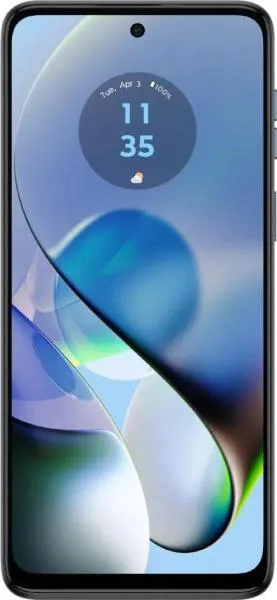
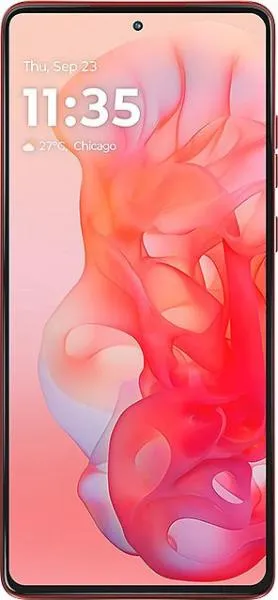
1. Specifications Comparison
| Feature | Motorola Moto G54 | Motorola Moto G Stylus 5G (2024) | Practical Impact |
|---|---|---|---|
| Design | |||
| Dimensions | 161.6 x 73.8 x 8 mm | 162.6 x 74.8 x 8.3 mm | Stylus model slightly larger and thicker due to integrated stylus. |
| Weight | 177g | 190g | Stylus model noticeably heavier, potentially impacting one-handed use. |
| Fingerprint Sensor | Side-mounted | Under-display | Preference-based, under-display often perceived as more modern. |
| Display | |||
| Size | 6.5" | 6.7" | Stylus model offers a larger screen for media consumption and multitasking. |
| Type | IPS LCD | P-OLED | P-OLED offers deeper blacks, more vibrant colors, and potentially better power efficiency. |
| Refresh Rate | 120Hz | 120Hz | Both offer smooth scrolling and animations. |
| Peak Brightness | Not specified | 1200 nits | Stylus model significantly brighter, ensuring better outdoor visibility. Lack of G54 brightness data hinders full comparison. |
| Resolution | 1080 x 2400 | 1080 x 2400 | Identical resolution, sharpness comparable given the slight size difference. |
| Performance | |||
| Chipset | Mediatek Dimensity 7020 (6 nm) | Qualcomm Snapdragon 6 Gen 1 (4 nm) | Snapdragon 6 Gen 1 generally considered more powerful and efficient due to smaller process node. Real-world performance differences might be subtle for average users. |
| CPU | Octa-core (2x2.2 GHz Cortex-A78 & 6x2.0 GHz Cortex-A55) | Octa-core (4x2.2 GHz Cortex-A78 & 4x1.8 GHz Cortex-A55) | While core counts differ, architectural similarities suggest comparable performance. Benchmarking needed for definitive comparison. |
| GPU | IMG BXM-8-256 | Adreno 710 | Adreno 710 generally offers better gaming performance. |
| RAM | 8GB | 8GB | Identical RAM capacity, should provide similar multitasking capabilities. |
| Storage | 256GB | 256GB | Identical storage capacity. |
| Battery | |||
| Capacity | 5000 mAh | 5000 mAh | Identical battery capacity, but real-world battery life depends on various factors including display type and chipset efficiency. |
| Software | |||
| OS | Android 13 | Android 14 | Stylus model ships with a newer Android version, offering potential feature and security advantages. Also guaranteed one more major OS update. |
| Other | |||
| Stylus | No | Yes | Key differentiator, enables note-taking, drawing, and precise screen interaction. |
| Video Capabilities | 1080p@30/60fps | 4K@30fps, 1080p@30/60/120fps | Stylus model offers superior video recording capabilities, including 4K resolution and higher frame rates for slow-motion. |
2. Key Differences Analysis
Moto G54 Advantages:
- Potentially lighter and slightly smaller, making it easier to handle.
- Potentially more affordable (price not specified).
Moto G Stylus 5G (2024) Advantages:
- Integrated Stylus: The defining feature for note-takers, artists, and those preferring precise screen interaction.
- Brighter Display: Significantly brighter screen ensures excellent outdoor visibility.
- More Powerful GPU: Likely better for gaming and graphically demanding tasks.
- Newer OS with Longer Support: Android 14 with guaranteed update to 15 offers newer features, better security, and longer software support.
- Superior Video Recording: 4K recording and higher frame rate options.
3. User Profiles & Recommendations
Moto G54: Users prioritizing a lightweight, compact phone for everyday tasks, who are budget-conscious and don't need a stylus.
Moto G Stylus 5G (2024): Students, artists, professionals who benefit from a stylus for note-taking, sketching, or precise interactions. Users who prioritize a larger, brighter display for media consumption and value longer software updates.
4. Decision Framework
Key Questions for Buyers:
- Do you need a stylus? This is the primary differentiator.
- What is your budget? The G54 is likely more affordable.
- Is a larger, brighter display with better outdoor visibility important?
My Choice: Motorola Moto G Stylus 5G (2024)
While missing specific pricing information makes a definitive value judgment difficult, the Moto G Stylus 5G (2024) offers compelling advantages for my needs. The integrated stylus is a powerful tool for productivity and creativity, enabling note-taking, sketching, and precise on-screen interaction. The brighter P-OLED display ensures comfortable outdoor usage, a crucial factor for me. Furthermore, the newer Android version with guaranteed future updates ensures longer software support and access to the latest features. While slightly heavier, the benefits of the stylus, display, and software outweigh the size and weight difference for me. The improved video recording capabilities are a welcome bonus. If budget were extremely tight, the G54 might be a viable alternative, but lacking the brightness specification makes it difficult to fully assess its value proposition.
