1. Specifications Comparison
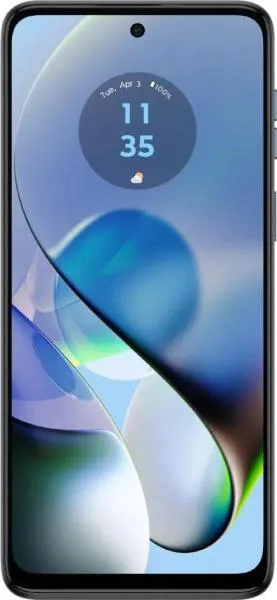
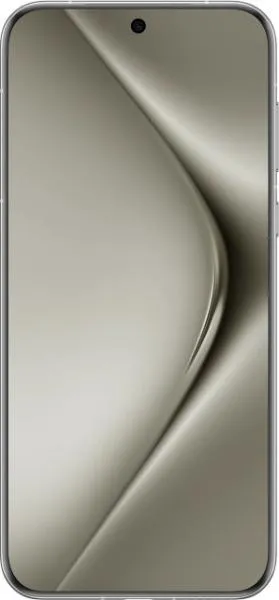
| Feature | Motorola Moto G54 | Huawei Pura 70 Pro | Practical Impact |
|---|---|---|---|
| Design | |||
| Dimensions | 161.6 x 73.8 x 8 mm | 162.6 x 75.1 x 8.4 mm | Pura 70 Pro slightly larger and thicker |
| Weight | 177g | 220g | Pura 70 Pro significantly heavier (43g) - noticeable in hand |
| Build Materials | Not specified | Not specified | Cannot compare build quality and durability |
| Display | |||
| Size | 6.5" | 6.8" | Pura 70 Pro offers a larger viewing area |
| Type | IPS LCD | LTPO OLED | Pura 70 Pro provides deeper blacks, better contrast, and potentially better power efficiency due to LTPO |
| Resolution | 1080 x 2400 | 1260 x 2844 | Pura 70 Pro has a sharper display (higher pixel density: 405 vs 460 PPI) |
| Refresh Rate | 120Hz | 120Hz | Both offer smooth scrolling and animations |
| Peak Brightness | Not specified | 2500 nits | Pura 70 Pro should be significantly brighter and more visible in direct sunlight |
| Performance | |||
| Chipset | Mediatek Dimensity 7020 (6nm) | Kirin 9010 (7nm) | Kirin 9010 is likely more powerful but real-world performance depends on optimization. Manufacturing process difference (6nm vs 7nm) suggests Dimensity 7020 may be slightly more power efficient. |
| CPU | Octa-core (2x2.2 GHz Cortex-A78 & 6x2.0 GHz Cortex-A55) | Octa-core (1x2.3 GHz Taishan Big & 3x2.18 GHz Taishan Mid & 4x1.55 GHz Cortex-A510) | Different core architectures; difficult to compare without benchmarks. |
| GPU | IMG BXM-8-256 | Not specified | Cannot compare graphics performance |
| RAM | 8GB | 12GB | Pura 70 Pro has more RAM for multitasking and demanding applications |
| Storage | 256GB | 512GB/1000GB | Pura 70 Pro offers significantly more storage |
| Battery | |||
| Capacity | 5000 mAh | 5050 mAh | Negligible difference in battery capacity |
| Software | |||
| OS | Android 13 | Not specified | Cannot compare OS features and user experience |
| Other | |||
| NFC | Yes | Yes | Both support contactless payments |
| USB | USB Type-C 2.0 | USB Type-C 3.1 | Pura 70 Pro has faster data transfer speeds and DisplayPort support |
| Sensors | Accelerometer, gyro, proximity, compass, fingerprint (side) | Accelerometer, gyro, proximity, compass, fingerprint (under display), color spectrum | Pura 70 Pro has an additional color spectrum sensor; fingerprint sensor placement is a matter of preference |
| Video Capabilities | 1080p@30/60fps | Not specified | Cannot compare video recording capabilities |
2. Key Differences Analysis
Moto G54 Advantages:
- Potentially lighter and more comfortable to hold for extended use.
- Potentially slightly more power-efficient chipset.
- Confirmed Android 13 OS.
- Price could be lower given typically more affordable Motorola devices.
Huawei Pura 70 Pro Advantages:
- Larger, sharper, and brighter OLED display with superior contrast and outdoor visibility.
- More RAM and significantly more storage.
- Faster USB standard (USB 3.1).
- More advanced display features (LTPO, HDR, 1B colors).
3. User Profiles & Recommendations
Moto G54: Users seeking a more budget-friendly option, prioritizing comfortable one-handed use, and satisfied with a good LCD screen.
Huawei Pura 70 Pro: Users prioritizing a premium multimedia experience, demanding high performance and ample storage, willing to pay a premium for a top-tier display. Users who prioritize fast data transfer and potentially utilize the DisplayPort functionality.
4. Decision Framework
Key Questions:
- What is your budget? The Pura 70 Pro will likely be more expensive.
- What is your display priority? A superior display experience favors the Pura 70 Pro.
- What is more important: one-handed usability or larger screen size? The Moto G54 is likely easier to handle while the Pura 70 Pro offers more screen real estate.
My Choice: Huawei Pura 70 Pro
Reasoning: Despite the lack of certain specifications (GPU, OS, video capabilities), the Huawei Pura 70 Pro's clear advantages in display quality, performance (RAM/Storage), and connectivity (USB 3.1) make it the more compelling device for me. I prioritize a premium multimedia experience and am willing to accept the potentially higher price and heavier weight for the benefits it offers. The larger OLED display with high brightness and sharp resolution is a significant differentiator. While the lack of OS details is a concern, assuming it runs a modern version of HarmonyOS, I would be willing to explore a different ecosystem for the significant hardware upgrades. The significantly higher storage capacity is also crucial for my usage.
