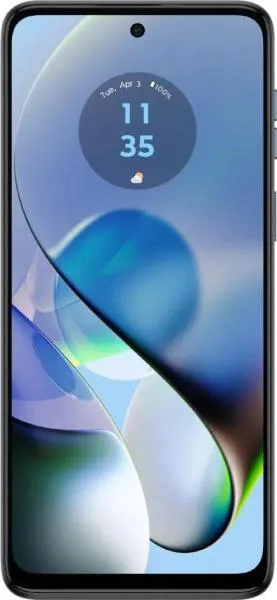
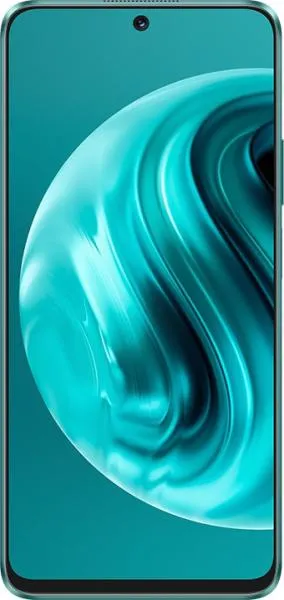
1. Specifications Comparison
| Feature | Motorola Moto G54 | Huawei nova 12i | Practical Impact |
|---|---|---|---|
| Design | |||
| Dimensions | 161.6 x 73.8 x 8 mm | 163.3 x 74.7 x 8.4 mm | Moto G54 is slightly smaller and thinner, potentially offering a better one-handed grip. |
| Weight | 177g | 199g | Moto G54 is noticeably lighter, reducing hand fatigue during extended use. |
| Display | |||
| Size | 6.5" | 6.7" | Nova 12i offers a slightly larger screen for more immersive content consumption. |
| Type | IPS LCD, 120Hz | IPS LCD, 90Hz | Moto G54's 120Hz refresh rate provides smoother scrolling and animations compared to the 90Hz on the Nova 12i. |
| Resolution | 1080 x 2400 | 1080 x 2388 | Both offer similar sharpness due to nearly identical resolutions and screen sizes. |
| PPI | 405 | 391 | Negligible difference in pixel density; both screens will appear similarly sharp. |
| Performance | |||
| Chipset | Mediatek Dimensity 7020 (6nm) | Qualcomm Snapdragon 680 4G (6nm) | The Dimensity 7020 generally offers better CPU and GPU performance than the Snapdragon 680, resulting in faster app loading, smoother multitasking, and better gaming performance. |
| CPU | Octa-core (2x2.2 GHz Cortex-A78 & 6x2.0 GHz Cortex-A55) | Octa-core (4x2.4 GHz Cortex-A73 & 4x1.9 GHz Cortex-A53) | The Dimensity 7020's architecture provides a better balance of performance and efficiency. |
| GPU | IMG BXM-8-256 | Adreno 610 | The BXM-8-256 offers superior graphics performance compared to the Adreno 610, beneficial for gaming and graphically demanding tasks. |
| RAM | 8GB | 8GB | Both offer the same amount of RAM, ensuring smooth multitasking. |
| Storage | 256GB | 256GB | Identical storage capacity for ample apps, photos, and videos. |
| Battery | |||
| Capacity | 5000 mAh | 5000 mAh | Similar battery capacities suggest comparable battery life, though real-world usage will vary. |
| Other | |||
| OS | Android 13 | Missing OS information for the Nova 12i makes comparison impossible. | |
| Sensors | Accelerometer, Gyro, Proximity, Compass, Fingerprint (side-mounted) | Accelerometer, Compass, Fingerprint (side-mounted) | Moto G54 includes a gyroscope for motion-based gaming and AR applications. Notably, the Nova 12i lacks proximity sensor information, which is crucial for basic functionality like disabling the screen during calls. |
| Video Capabilities | 1080p@30/60fps | 1080p@30fps | Moto G54 can record video at 60fps, resulting in smoother footage. |
2. Key Differences Analysis
Moto G54 Advantages:
- Superior Performance: The Dimensity 7020 chipset provides a significant performance advantage over the Snapdragon 680.
- Smoother Display: The 120Hz refresh rate offers a more fluid user experience.
- Lighter and More Compact: Easier to handle and carry.
- More Comprehensive Sensors: Inclusion of a gyroscope enhances gaming and AR experiences.
- 60fps Video Recording: Smoother video capture.
Huawei nova 12i Advantages:
- Slightly Larger Display: More immersive for media consumption (marginal benefit).
3. User Profiles & Recommendations
Moto G54: Users who prioritize performance, smooth display, and a comfortable in-hand feel. Ideal for gaming, multitasking, and general use.
Huawei nova 12i: Users who primarily consume media and prioritize a larger display, although the performance difference should be a major consideration. The lack of clear OS information makes a strong recommendation difficult.
4. Decision Framework
Key Questions for Buyers:
- How important is performance for your daily usage?
- Do you value a smoother display refresh rate?
- Which operating system do you prefer? (Crucial information missing for Nova 12i).
Scenario-Based Recommendations:
- Gamer: Moto G54 for its superior performance and 120Hz display.
- Casual User: Moto G54 offers a better overall experience due to performance and display.
- Media Consumer: While the Nova 12i has a slightly larger display, the Moto G54's performance and 120Hz refresh rate make it a better choice for most users, even for media consumption.
My Choice: Motorola Moto G54
The Motorola Moto G54 is the clear winner for me. The Dimensity 7020's significant performance advantage, coupled with the smoother 120Hz display, lighter weight, and more comprehensive sensor suite, makes it a superior device. The Nova 12i offers a marginally larger display, but this minor benefit is overshadowed by the performance gap and the missing critical information regarding its operating system and key sensors like proximity. The Moto G54 provides a more well-rounded and future-proof package.
