1. Specifications Comparison
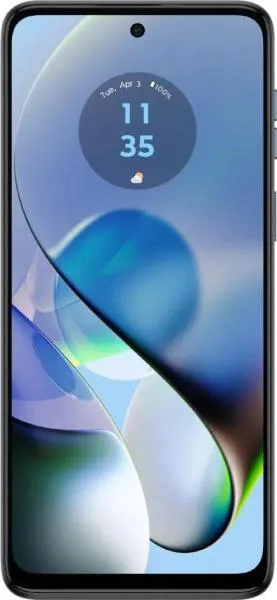
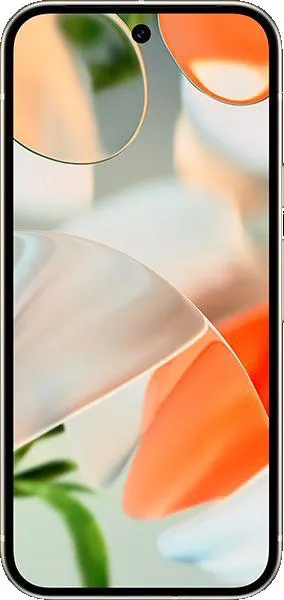
| Feature | Motorola Moto G54 | Google Pixel 9 | Practical Impact |
|---|---|---|---|
| Design | |||
| Dimensions | 161.6x73.8x8mm | 152.8x72x8.5mm | Pixel 9 is noticeably smaller and slightly thinner, making it potentially more pocketable and comfortable for one-handed use. |
| Weight | 177g | 198g | Moto G54 is lighter, reducing hand fatigue during extended use. |
| Build Material | N/A | N/A | Build material impacts durability and premium feel; this information is missing. |
| Display | |||
| Display Type | IPS LCD, 120Hz | OLED, 120Hz | Pixel 9's OLED offers deeper blacks, higher contrast, and potentially better power efficiency. |
| Resolution | 1080x2400 | 1080x2424 | Negligible real-world difference in sharpness. |
| Refresh Rate | 120Hz | 120Hz | Both offer smooth scrolling and animations. |
| Peak Brightness | N/A | 2700 nits | Pixel 9's significantly higher peak brightness ensures excellent outdoor visibility. Moto G54's unspecified brightness is a significant unknown. |
| Performance | |||
| Chipset | Dimensity 7020 | Google Tensor G4 | Tensor G4, being a newer generation chip built on a smaller process (4nm vs 6nm), is expected to offer significantly better performance and efficiency. |
| CPU | Octa-core | Octa-core | Pixel 9's Cortex-X4 core provides a significant performance boost for demanding tasks. |
| GPU | IMG BXM-8-256 | Mali-G715 MC7 | Mali-G715 is generally more powerful, leading to better gaming performance and smoother graphics rendering. |
| RAM | 8GB | 12GB | Pixel 9's larger RAM allows for better multitasking and smoother performance with multiple apps open. |
| Storage | 256GB | 256GB | Both offer ample storage. |
| Camera | |||
| Video Capabilities | Limited | Extensive | Pixel 9 offers significantly more advanced video recording features including 4K resolution, HDR, and various frame rates. |
| Battery | |||
| Capacity | 5000 mAh | 4700 mAh | Moto G54 has a slightly larger battery capacity, but real-world battery life depends on numerous factors including software optimization and display. |
| Software | |||
| OS | Android 13 | Android 14 | Pixel 9 offers the latest Android version with newer features and security updates, plus longer guaranteed OS and security support. |
2. Key Differences Analysis
Moto G54 Advantages:
- Lighter Weight: More comfortable for extended use.
- Potentially Longer Battery Life: Larger battery capacity, though real-world usage will vary.
- Price: Likely more affordable given the specifications.
Pixel 9 Advantages:
- Significantly More Powerful: Newer generation processor and more RAM translate to a smoother, faster experience, especially for demanding tasks and gaming.
- Superior Display: OLED technology offers better contrast, deeper blacks, and much higher peak brightness for excellent outdoor visibility.
- Advanced Camera Features: Notably more versatile video recording capabilities.
- Latest Software and Longer Support: Ensures access to new features and security updates for a longer period.
- Faster Charging: USB 3.2 suggests faster data transfer and potentially faster charging (charger specs not provided).
3. User Profiles & Recommendations
Moto G54: Budget-conscious users prioritizing battery life and comfortable handling for everyday tasks like browsing, social media, and light gaming.
Pixel 9: Users who value performance, a high-quality display, a superior camera, and the latest software with long-term updates. Ideal for demanding tasks, gaming, content creation, and users who prioritize a premium experience.
4. Decision Framework
Key Questions:
- What is your budget? The Moto G54 is likely more affordable.
- What are your primary use cases? Basic tasks vs. demanding applications and gaming.
- How important are display quality, camera features, and software updates?
My Choice: Google Pixel 9
While lacking specific pricing information, the Pixel 9 offers a significantly more compelling package. The superior performance, brilliant display, advanced camera, and longer software support outweigh the Moto G54's advantages in weight and potentially battery life. The Pixel 9's smaller form factor is also appealing to me. While the Moto G54 is likely a solid budget option, the Pixel 9 provides a more future-proof and premium experience that aligns better with my preferences for a powerful and feature-rich device. The lack of brightness information for the Moto G54 is also a major concern, as outdoor visibility is crucial for me. The significantly more powerful chip in the Pixel 9 will likely result in a much more enjoyable user experience in the long run.
