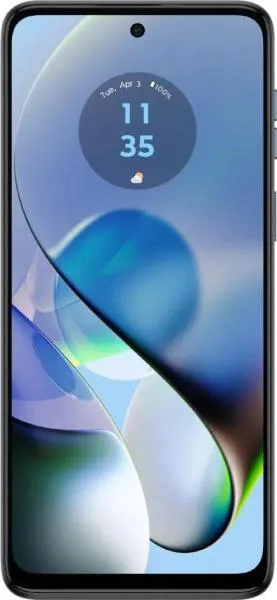
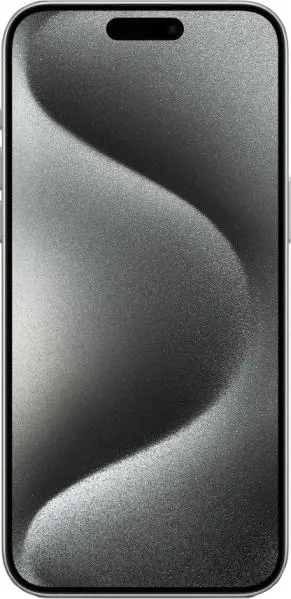
1. Specifications Comparison
| Feature | Motorola Moto G54 | Apple iPhone 15 Pro Max | Practical Impact |
|---|---|---|---|
| Design | |||
| Dimensions | 161.6 x 73.8 x 8 mm | 159.9 x 76.7 x 8.3 mm | Virtually identical in hand feel. |
| Weight | 177g | 221g | iPhone significantly heavier, potentially noticeable during extended use. |
| Build Materials | Not specified | Titanium frame | Durability and premium feel advantage for iPhone. Missing Moto G54 info limits comparison. |
| Display | |||
| Size | 6.5" | 6.7" | iPhone offers a slightly larger viewing area. |
| Type | IPS LCD, 120Hz | LTPO Super Retina XDR OLED, 120Hz | iPhone's OLED provides significantly better contrast, deeper blacks, and HDR support. |
| Resolution | 1080 x 2400 | 1290 x 2796 | Sharper image on the iPhone due to higher pixel density (460 vs 405 ppi). |
| Brightness | Not specified | 1000 nits (typical), 2000 nits (peak) | iPhone will be significantly more visible in sunlight. Missing Moto G54 brightness data limits comparison. |
| Performance | |||
| Chipset | Mediatek Dimensity 7020 (6 nm) | Apple A17 Pro (3 nm) | A17 Pro expected to deliver significantly faster performance and better efficiency due to advanced manufacturing process and architecture. |
| CPU | Octa-core (2x2.2 GHz Cortex-A78 & 6x2.0 GHz Cortex-A55) | Hexa-core (2x3.78 GHz + 4x2.11 GHz) | A17 Pro boasts higher clock speeds suggesting superior processing power. |
| GPU | IMG BXM-8-256 | Apple GPU (6-core) | Apple's custom GPU is likely to offer significantly better graphics performance for demanding games and applications. |
| RAM | 8GB | 8GB | Comparable RAM, though performance will differ significantly due to chipset and software optimization. |
| Storage | 256GB | 512GB, 1TB | iPhone offers larger storage options. |
| Camera | |||
| Video Capabilities | 1080p@30/60fps | Up to 4K@60fps (HDR), 1080p@240fps (HDR) | iPhone offers significantly better video recording capabilities including higher resolution, frame rates, and HDR. More comprehensive Moto G54 camera specs needed for detailed comparison. |
| Battery | |||
| Capacity | 5000 mAh | 4441 mAh | Moto G54 has larger battery capacity. Actual battery life depends on numerous factors including software optimization and display efficiency. |
| Software | |||
| OS | Android 13 | iOS 17 | Different operating systems cater to different user preferences and ecosystems. |
2. Key Differences Analysis
Motorola Moto G54 Advantages:
- Potentially longer battery life: Larger battery capacity suggests potentially longer usage between charges.
- Lower price: "Medium price" suggests significantly more affordable than the iPhone.
Apple iPhone 15 Pro Max Advantages:
- Significantly higher performance: A17 Pro chip provides superior processing and graphics power for demanding tasks and gaming.
- Superior display: OLED technology delivers vibrant colors, deeper blacks, and higher brightness.
- Premium build quality: Titanium frame enhances durability and provides a more premium feel.
- Advanced camera features: Offers higher resolution video recording with HDR and higher frame rates.
- Faster charging and data transfer: USB 3.2 Gen 2 provides significant speed improvements.
3. User Profiles & Recommendations
Moto G54 Ideal User:
- Budget-conscious users prioritizing affordability.
- Users who value long battery life.
- Users preferring the Android ecosystem.
iPhone 15 Pro Max Ideal User:
- Users prioritizing performance and premium experience.
- Mobile gamers and content creators demanding high processing power and display quality.
- Users heavily invested in the Apple ecosystem.
4. Decision Framework
Key Questions for Buyers:
- What is your budget? The iPhone 15 Pro Max commands a significantly higher price.
- What are your performance needs? For demanding tasks and gaming, the iPhone is vastly superior.
- Which operating system do you prefer? Android and iOS offer distinct user experiences and app ecosystems.
My Choice: Apple iPhone 15 Pro Max
While the Moto G54 offers a compelling value proposition for budget-conscious buyers, the iPhone 15 Pro Max is the superior device overall. Its significantly faster performance, stunning display, premium build quality, and advanced camera capabilities outweigh the price difference for me. The A17 Pro chip future-proofs the device for demanding applications and games for years to come. While battery life is a concern, the superior efficiency of the A17 Pro might offset the smaller battery capacity compared to the Moto G54. Ultimately, I prioritize a smooth, powerful, and premium user experience, which the iPhone 15 Pro Max clearly delivers.
