1. Specifications Comparison
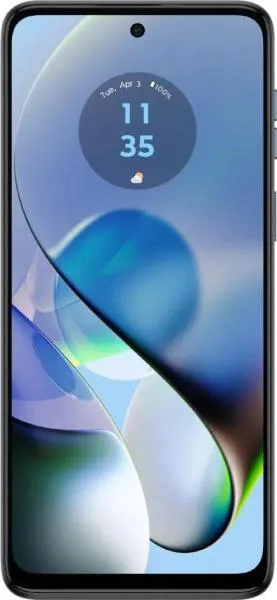
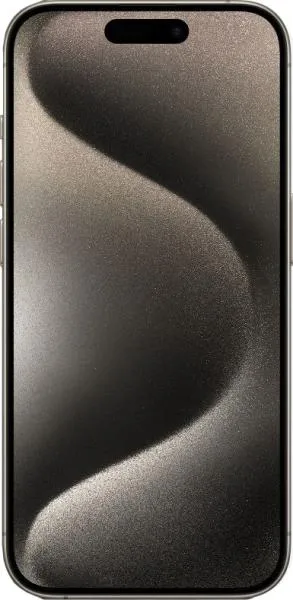
| Feature | Motorola Moto G54 | Apple iPhone 15 Pro | Practical Impact |
|---|---|---|---|
| Design | |||
| Dimensions | 161.6 x 73.8 x 8mm | 146.6 x 70.6 x 8.3mm | iPhone 15 Pro is noticeably smaller and slightly thicker. Moto G54 might feel larger in hand. |
| Weight | 177g | 187g | iPhone 15 Pro is heavier, but the difference is minimal in practical use. |
| Build Material | Not specified | Titanium Frame | iPhone's titanium frame offers superior durability and premium feel. Lack of information impacts Moto G54 assessment. |
| Display | |||
| Display Type | IPS LCD, 120Hz | LTPO Super Retina XDR OLED, 120Hz | iPhone offers superior contrast, deeper blacks, and significantly brighter display, crucial for outdoor visibility and HDR. |
| Size | 6.5" | 6.1" | Moto G54 offers a larger screen for media consumption; iPhone 15 Pro provides greater portability. |
| Resolution | 1080 x 2400 | 1179 x 2556 | iPhone boasts higher pixel density (sharper image) despite slightly smaller screen size. |
| Refresh Rate | 120Hz | 120Hz | Both offer smooth scrolling and animations. |
| Peak Brightness | Not specified | 2000 nits (HBM) | Missing peak brightness for Moto G54 hinders comparison. iPhone's high brightness ensures excellent outdoor readability. |
| Performance | |||
| Chipset | Dimensity 7020 (6nm) | Apple A17 Pro (3nm) | A17 Pro significantly outperforms Dimensity 7020 in speed and efficiency, impacting gaming, multitasking, and app loading. |
| CPU | Octa-core | Hexa-core | Core count difference is less relevant than architectural differences, favoring A17 Pro. |
| GPU | IMG BXM-8-256 | Apple GPU (6-core) | Apple's custom GPU provides substantially greater graphics performance for demanding games and applications. |
| RAM | 8GB | 8GB | Same RAM capacity, but performance difference lies in chip architecture and OS optimization. |
| Storage | 256GB / 8GB | 256GB+, 512GB+, 1TB+ | iPhone offers more storage options for power users. |
| Battery | |||
| Capacity | 5000 mAh | 3274 mAh | Moto G54 has a larger battery capacity, potentially offering longer battery life despite its less efficient display. |
| Other | |||
| OS | Android 13 | iOS 17 | OS preference is subjective; Android offers customization, iOS emphasizes simplicity and ecosystem integration. |
| Video Capabilities | 1080p@60fps | 4K@60fps (HDR) | iPhone offers significantly higher video recording resolution and quality with HDR. |
2. Key Differences Analysis
Moto G54 Advantages:
- Larger Battery: Potentially longer battery life.
- Larger Display: More immersive media experience.
- Lower Price: Significantly more affordable.
iPhone 15 Pro Advantages:
- Superior Performance: Significantly faster and more powerful for demanding tasks and gaming.
- Brighter, Higher Quality Display: Better outdoor visibility and richer visuals.
- Premium Build Quality: Durable titanium frame.
- Advanced Camera System: (Specifications not provided, but generally expected based on previous models).
- Higher Quality Video Recording: 4K HDR capabilities.
- Faster Charging & Data Transfer: USB 3.2 Gen 2 with DisplayPort.
3. User Profiles & Recommendations
Moto G54 Ideal User:
- Budget-conscious users.
- Users prioritizing battery life and large screen size for media consumption.
- Users preferring the Android ecosystem and customization options.
iPhone 15 Pro Ideal User:
- Users prioritizing performance, premium design, and the latest technology.
- Mobile gamers and content creators demanding high processing power and graphics capabilities.
- Users invested in the Apple ecosystem.
4. Decision Framework
Key Questions for Buyers:
- What is your budget? Moto G54 offers excellent value for its price, while iPhone 15 Pro commands a premium.
- What are your performance needs? For demanding tasks and gaming, iPhone 15 Pro is far superior. For casual use, Moto G54 is sufficient.
- What operating system do you prefer? Android and iOS offer distinct experiences and ecosystem advantages.
My Choice:
I would choose the iPhone 15 Pro. While significantly more expensive, the performance difference, superior display, premium build quality, and expected advanced camera features (based on Apple's history) justify the price for me. I prioritize a smooth and powerful user experience, and the A17 Pro chip combined with the high refresh rate OLED display promises exactly that. While the Moto G54 offers a larger battery and display, these advantages don't outweigh the significant performance gap and superior overall quality of the iPhone 15 Pro for my personal needs. I value having a phone that can handle demanding tasks, provides excellent visual quality, and is built to last.
