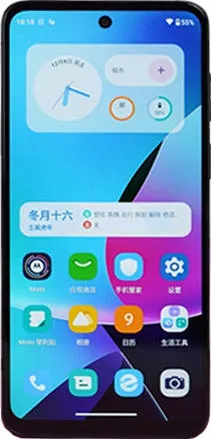
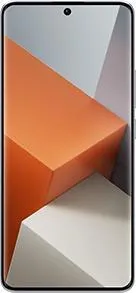
Motorola Moto G53 vs. Xiaomi Redmi Note 13 Pro+: A Deep Dive
Let's dissect the Motorola Moto G53 and the Xiaomi Redmi Note 13 Pro+, two compelling contenders in the mid-range smartphone arena. We'll go beyond the spec sheet, translating technical jargon into real-world implications for you.
1. Specifications Breakdown
| Feature | Motorola Moto G53 | Xiaomi Redmi Note 13 Pro+ | Real-World Implications |
|---|---|---|---|
| Design | |||
| Dimensions (mm) | 162.7 x 74.7 x 8.2 | 161.4 x 74.2 x 8.9 | Pro+ is slightly more compact but heavier, implying a denser build. |
| Weight (g) | 183 | 199 | G53 feels lighter in hand. |
| Display | |||
| Type | IPS LCD, 120Hz | AMOLED, 120Hz, HDR10+, Dolby Vision | Pro+ offers significantly richer colors, deeper blacks, and higher brightness. G53's LCD is adequate but less vibrant. |
| Size | 6.5" | 6.67" | Pro+ provides slightly more screen real estate. |
| Resolution | 720 x 1600 | 1220 x 2712 | Pro+'s sharper resolution results in crisper text and images. G53's display is noticeably less sharp. |
| Performance | |||
| Chipset | Snapdragon 480+ 5G | Dimensity 7200 Ultra | Pro+ boasts a significantly more powerful processor, translating to smoother multitasking, faster app loading, and better gaming performance. |
| CPU | Octa-core (2.2 GHz) | Octa-core (2.8 GHz) | Pro+'s higher clock speeds contribute to its superior performance. |
| GPU | Adreno 619 | Mali-G610 MC4 | Pro+'s GPU handles graphically demanding tasks with greater ease. |
| RAM | 4/6/8GB | 8/12/16GB | More RAM options on the Pro+, especially beneficial for heavy multitaskers. |
| Camera | |||
| Main Camera | 50MP | 200MP | Pro+ boasts a much higher resolution sensor, potentially capturing more detail. Real-world image quality depends on processing. |
| Video | 1080p@30fps | 4K@30fps | Pro+ offers higher resolution video recording. |
| Battery Life | |||
| Capacity | 5000 mAh | 5000 mAh | Similar battery capacities suggest comparable longevity, but real-world usage will vary. |
2. Key Insights
The Redmi Note 13 Pro+ is the clear performance champion, thanks to its powerful Dimensity 7200 Ultra chipset and ample RAM. Its vibrant AMOLED display with HDR10+ and Dolby Vision support also delivers a superior visual experience. The 200MP main camera promises impressive detail, although real-world performance needs further evaluation.
The Moto G53 positions itself as a more budget-friendly option. While its Snapdragon 480+ 5G chipset is capable for everyday tasks, it won't match the Pro+'s prowess in demanding applications or gaming. The lower resolution LCD display is a noticeable compromise. However, it offers a clean Android experience and respectable battery life.
3. User Profiles and Recommendations
Moto G53: Ideal for budget-conscious users who prioritize essential smartphone functions: calling, texting, web browsing, and light social media usage. It's a solid choice for those seeking a simple, reliable device without breaking the bank.
Redmi Note 13 Pro+: Designed for power users and multimedia enthusiasts. Gamers, content creators, and those who demand a premium visual experience will appreciate its superior performance, stunning display, and high-resolution camera.
4. Buying Decision Framework
Questions to Consider:
- What's your budget? The G53 is significantly more affordable.
- What are your primary smartphone uses? Basic tasks vs. demanding applications and gaming.
- How important is display quality? Vividness, sharpness, and HDR support.
Scenario-Based Recommendations:
- Limited budget, basic usage: Moto G53
- Balanced performance and price: Redmi Note 13 Pro+ (base model)
- Top-tier performance and premium features: Redmi Note 13 Pro+ (higher RAM/storage)
My Choice: Xiaomi Redmi Note 13 Pro+
While the Moto G53 is a respectable contender at its price point, the Redmi Note 13 Pro+ aligns better with my needs. As a tech journalist, I demand a device that can handle heavy multitasking, run benchmark apps smoothly, and capture high-quality photos and videos. The Pro+'s superior processor, stunning AMOLED display, and advanced camera system make it the clear winner for me. The price difference is justified by the significant jump in performance and overall user experience. While I don't always need the absolute highest specs, I appreciate having headroom for future-proofing and tackling demanding tasks without compromise.
