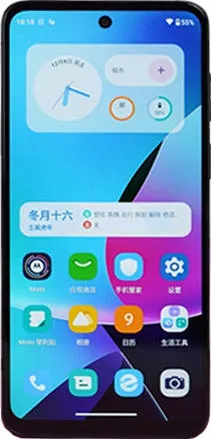
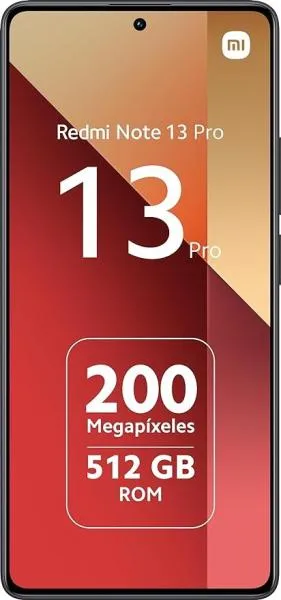
Motorola Moto G53 vs. Xiaomi Redmi Note 13 Pro 4G: A Deep Dive
Let's dissect the Motorola Moto G53 and the Xiaomi Redmi Note 13 Pro 4G, two compelling mid-range contenders, to see which phone reigns supreme. We'll go beyond the spec sheet and delve into the real-world implications of their features, helping you choose the perfect device.
1. Specifications Breakdown
| Feature | Motorola Moto G53 | Xiaomi Redmi Note 13 Pro 4G | Real-World Implications |
|---|---|---|---|
| Design | |||
| Dimensions (mm) | 162.7 x 74.7 x 8.2 | 161.1 x 75 x 8 | Redmi Note 13 Pro is slightly shorter and narrower, potentially improving one-hand usability. |
| Weight (g) | 183 | 188 | Negligible weight difference; both feel comfortable in hand. |
| Display | |||
| Type | IPS LCD | AMOLED | Redmi's AMOLED offers deeper blacks, vibrant colors, and better power efficiency in dark mode. |
| Size | 6.5" | 6.67" | Redmi provides a larger screen for immersive media consumption. |
| Resolution | 720 x 1600 | 1080 x 2400 | Redmi boasts significantly sharper visuals due to higher resolution (395 ppi vs. 270 ppi). |
| Refresh Rate | 120Hz | 120Hz | Both offer smooth scrolling and animations. |
| Performance | |||
| Chipset | Snapdragon 480+ 5G | MediaTek Helio G99 Ultra | Redmi's Helio G99 generally offers better CPU performance in day-to-day tasks and some demanding games |
| CPU | Octa-core | Octa-core | While both are Octa-core, the architecture of the Helio G99 provides a performance advantage. |
| GPU | Adreno 619 | Mali-G57 MC2 | Redmi likely edges out in graphics performance, though both are geared towards efficiency over raw power. |
| RAM | 4/6/8GB | 8/12GB | Redmi offers larger RAM options for improved multitasking. |
| Camera | |||
| Main Camera | 50MP | 200MP | Redmi boasts a much higher megapixel count, potentially capturing more detail. Requires further real world testing |
| Front Camera | 8MP | 16MP | Redmi offers a higher resolution selfie camera. |
| Video | 1080p@30fps | 1080p@30/60fps | Redmi offers more video recording options. |
| Battery | |||
| Capacity | 5000mAh | 5000mAh | Both offer similar battery capacities, expected to deliver all-day battery life. |
2. Key Insights
- Display: The Redmi Note 13 Pro's AMOLED display is a clear winner, offering a superior visual experience with vibrant colors, deep blacks, and higher resolution. The Moto G53's LCD is functional but less impressive.
- Performance: The Redmi Note 13 Pro's Helio G99 Ultra chipset, coupled with more RAM, likely provides a noticeable performance advantage in everyday tasks, multitasking, and gaming. The Moto G53, while capable for basic use, might struggle with demanding applications.
- Camera: While megapixels aren't everything, the Redmi Note 13 Pro's 200MP main camera has the potential to capture significantly more detail. Real-world image quality will depend on factors like sensor size and software processing. The inclusion of Optical Image Stabilisation on the Redmi Note 13 Pro 4G is a significant differentiator.
- Value: Considering the features offered, the Redmi Note 13 Pro 4G appears to deliver better value.
3. User Profiles and Recommendations
- Moto G53: Best suited for budget-conscious users who prioritize basic functionality: calling, texting, web browsing, and casual social media.
- Redmi Note 13 Pro 4G: Ideal for users who demand a more immersive multimedia experience, smoother performance for gaming and multitasking, and a potentially superior camera system.
4. Buying Decision Framework
- What is your budget? The Moto G53 is likely the more affordable option.
- Is display quality a top priority? If yes, the Redmi Note 13 Pro's AMOLED screen is the clear winner.
- Do you need strong performance for gaming or demanding apps? The Redmi Note 13 Pro 4G likely offers a smoother and more responsive experience.
My Choice: Xiaomi Redmi Note 13 Pro 4G
While the Moto G53 offers respectable value for its price, I'd choose the Redmi Note 13 Pro 4G. The significantly better display, superior performance from the Helio G99 chipset, greater RAM capacity, more versatile camera system with OIS, and comparable battery life make it a compelling overall package. The slightly higher price is justified by the noticeable upgrades in key areas that directly impact the user experience. The Redmi Note 13 Pro 4G seems poised to deliver a more enjoyable and future-proof smartphone experience.
