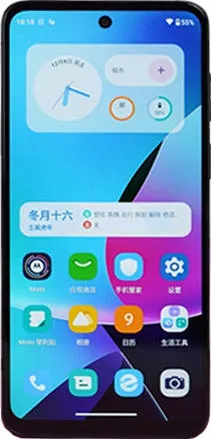
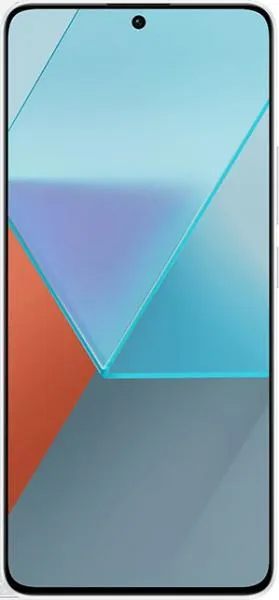
Motorola Moto G53 vs. Xiaomi Redmi Note 13 Pro: A Deep Dive
Let's cut through the marketing fluff and dissect the Motorola Moto G53 and Xiaomi Redmi Note 13 Pro, focusing on what truly matters: how these phones perform in the real world.
1. Specifications Breakdown
| Feature | Motorola Moto G53 | Xiaomi Redmi Note 13 Pro | Real-World Implications |
|---|---|---|---|
| Design | |||
| Dimensions (mm) | 162.7 x 74.7 x 8.2 | 161.2 x 74.2 x 8 | Note 13 Pro slightly more compact. Negligible difference in hand feel. |
| Weight (g) | 183 | 187 | Virtually identical weight; both comfortable for extended use. |
| Display | |||
| Type | IPS LCD, 120Hz | AMOLED, 120Hz, Dolby Vision | Note 13 Pro: Richer colors, deeper blacks, HDR support for superior media consumption. G53: Smoother scrolling. |
| Resolution | 720 x 1600 | 1220 x 2712 | Note 13 Pro: Significantly sharper, more detailed visuals. |
| PPI | 270 | 446 | Note 13 Pro: Noticeably crisper text and images. |
| Performance | |||
| Chipset | Snapdragon 480+ 5G | Snapdragon 7s Gen 2 | Note 13 Pro: Much faster CPU and GPU for demanding tasks and gaming. |
| CPU | Octa-core (2.2 GHz) | Octa-core (2.4 GHz) | Note 13 Pro: More responsive, handles multitasking with ease. |
| RAM | 4/6/8GB | 8/12/16GB | Note 13 Pro: More RAM options for smoother performance, especially with heavy multitasking. |
| Camera | |||
| Main Camera | 50MP | 200MP | Note 13 Pro: Higher resolution, larger sensor for potentially better low-light performance. |
| Video | 1080p@30fps | 4K@30fps | Note 13 Pro: Sharper video recording capabilities. |
| Battery Life | |||
| Capacity | 5000 mAh | 5100 mAh | Negligible difference in battery capacity; real-world usage will vary based on individual habits. |
2. Key Insights
The Redmi Note 13 Pro is the clear winner in terms of raw performance, display quality, and camera capabilities. Its powerful Snapdragon 7s Gen 2 chipset, stunning AMOLED display, and high-resolution camera make it a multimedia powerhouse. However, it's important to note that the 200MP camera sensor doesn't automatically translate into significantly better photos than the G53's 50MP sensor. Real-world performance will depend heavily on image processing.
The Moto G53 offers a more budget-friendly option without significantly compromising on core functionality. Its strengths lie in its clean Android experience, 5G connectivity, and respectable battery life. The 120Hz refresh rate on the IPS LCD, while lower resolution, will still provide a smooth user experience for everyday tasks.
3. User Profiles and Recommendations
Moto G53: Ideal for budget-conscious users who prioritize battery life, a clean Android experience, and reliable 5G connectivity. Good for light gaming, social media, and general everyday use.
Redmi Note 13 Pro: Suitable for users who demand top-notch performance, a vibrant display for media consumption, and advanced camera features. Excellent for mobile gaming, photography enthusiasts, and those who value a feature-rich device.
4. Buying Decision Framework
- What's your budget? The G53 is significantly more affordable.
- What are your performance needs? For demanding tasks and gaming, the Note 13 Pro is essential.
- How important is display quality? The Note 13 Pro's AMOLED screen is a major upgrade.
My Choice: Xiaomi Redmi Note 13 Pro
While the Moto G53 is a solid budget option, the Redmi Note 13 Pro offers a compelling package that aligns with my preferences. As a tech journalist, I value a sharp, vibrant display for reviewing media, a powerful processor for running benchmarks and multitasking efficiently, and a high-quality camera for capturing event photos and videos. The Note 13 Pro's superior performance, stunning AMOLED screen, and versatile camera system make it the clear winner for my needs. While I acknowledge the price difference, the substantial upgrade in user experience justifies the investment for me. The faster charging and larger RAM options available in some Note 13 Pro versions further solidify its position as the better overall device.
