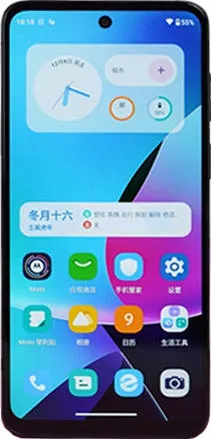
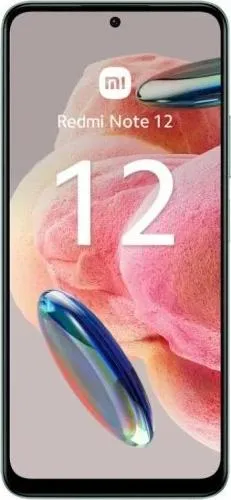
Motorola Moto G53 vs. Xiaomi Redmi Note 12 4G: A Comparative Deep Dive
Let's dissect the Motorola Moto G53 and the Xiaomi Redmi Note 12 4G, two compelling contenders in the mid-range smartphone arena. We'll go beyond the spec sheet to uncover what these numbers truly mean for your daily life.
1. Specifications Breakdown
| Feature | Motorola Moto G53 | Xiaomi Redmi Note 12 4G | Real-World Implications |
|---|---|---|---|
| Design | |||
| Dimensions (mm) | 162.7 x 74.7 x 8.2 | 165.7 x 76 x 7.9 | Redmi Note 12 4G is slightly larger and thinner. Negligible difference in hand feel for most. |
| Weight (g) | 183 | 183.5 | Virtually identical weight; both feel comfortable for extended use. |
| Display | |||
| Type | IPS LCD | AMOLED | Redmi Note 12 4G offers deeper blacks, richer colors, and better power efficiency. |
| Size (inches) | 6.5 | 6.67 | Redmi Note 12 4G provides a slightly larger viewing area. |
| Resolution | 720 x 1600 | 1080 x 2400 | Significantly sharper and more detailed visuals on the Redmi Note 12 4G. |
| Refresh Rate (Hz) | 120 | 120 | Both offer smooth scrolling and animations. |
| Performance | |||
| Chipset | Snapdragon 480+ 5G | Snapdragon 685 4G | Redmi Note 12 4G boasts a more powerful CPU and GPU, resulting in smoother multitasking and gaming. |
| CPU | Octa-core (2.2 GHz) | Octa-core (2.8 GHz) | Noticeably faster performance on the Redmi Note 12 4G, especially in demanding tasks. |
| RAM (GB) | 4/6/8 | 4/6/8 | Both offer configurations for varying needs; more RAM generally means better multitasking. |
| Camera | |||
| Main Camera (MP) | 50 | 48 | Comparable main camera performance expected, though real-world testing is needed. |
| Ultrawide (MP) | N/A | 8 | Redmi Note 12 4G offers ultrawide photography for capturing wider scenes. |
| Selfie Camera (MP) | 8 | 13 | Higher resolution selfie camera on the Redmi Note 12 4G. |
| Battery Life | |||
| Capacity (mAh) | 5000 | 5000 | Similar battery capacity, but AMOLED efficiency might give Redmi Note 12 4G an edge. |
2. Key Insights
The Redmi Note 12 4G emerges as the clear winner in terms of display and performance. Its AMOLED screen delivers a superior visual experience, while the Snapdragon 685 chipset provides a noticeable performance boost. The inclusion of an ultrawide lens adds versatility to its camera system.
The Moto G53, however, offers 5G connectivity, a significant advantage for future-proofing and faster data speeds in areas with 5G coverage. Its simpler camera setup might appeal to users who prioritize ease of use over versatility.
3. User Profiles and Recommendations
Moto G53: Best suited for budget-conscious users who prioritize 5G connectivity and a clean Android experience. Ideal for web browsing, social media, and casual photography.
Redmi Note 12 4G: A great choice for users seeking a well-rounded multimedia experience. Its excellent display and performance make it ideal for gaming, content consumption, and mobile photography enthusiasts.
4. Buying Decision Framework
- Is 5G connectivity a must-have? If yes, the Moto G53 is your only option here.
- Do you prioritize display quality and performance? The Redmi Note 12 4G excels in these areas.
- What's your budget? Compare prices for similar RAM and storage configurations to determine the best value.
Scenario-Based Recommendations:
- Student on a budget: Moto G53 if 5G is crucial; otherwise, Redmi Note 12 4G for better overall performance.
- Content creator: Redmi Note 12 4G for its superior display and performance for editing and consumption.
- Casual user: Either phone is suitable; choose based on individual priorities for 5G or multimedia experience.
My Choice: I would choose the Redmi Note 12 4G. While I appreciate the future-proofing of 5G, the superior display, performance, and camera versatility of the Redmi Note 12 4G are more compelling for my daily usage. The significantly sharper resolution and vibrant colors of the AMOLED screen are a major draw for me, as is the smoother performance offered by the Snapdragon 685. I frequently consume multimedia content and engage in light gaming, making the Redmi Note 12 4G a better fit for my needs. The trade-off of losing 5G is acceptable considering the immediate benefits in display and performance.
