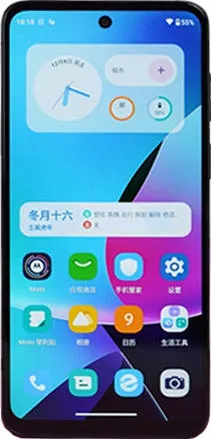
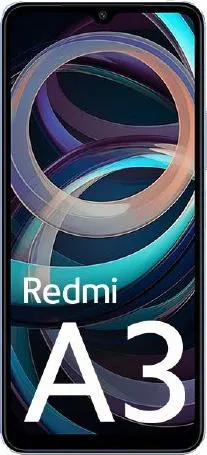
Motorola Moto G53 vs. Xiaomi Redmi A3: A Detailed Comparison
Let's dive deep into a comparative analysis of the Motorola Moto G53 and the Xiaomi Redmi A3, dissecting their technical specifications and translating them into real-world implications for you.
1. Specifications Breakdown
| Feature | Motorola Moto G53 | Xiaomi Redmi A3 | Real-World Implications |
|---|---|---|---|
| Design | |||
| Dimensions (mm) | 162.7 x 74.7 x 8.2 | 168.3 x 76.3 x 8.3 | Redmi A3 is slightly larger and heavier. Moto G53 might feel more compact in hand. |
| Weight (g) | 183 | 193 | Negligible difference in weight for most users. |
| Display | |||
| Size (inches) | 6.5 | 6.71 | Redmi A3 offers a slightly larger screen for more immersive content consumption. |
| Resolution (px) | 720 x 1600 | 720 x 1650 | Both have similar HD+ resolutions; sharpness will be comparable. Redmi A3 slightly taller. |
| Refresh Rate (Hz) | 120 | 90 | Moto G53's 120Hz delivers smoother scrolling and animations, enhancing the user experience. |
| Type | IPS LCD | IPS LCD | Both use IPS LCD technology, expecting similar color accuracy and viewing angles. |
| Performance | |||
| Chipset | Snapdragon 480+ 5G | Helio G36 | Moto G53's Snapdragon 480+ offers better performance and 5G connectivity, a significant advantage. |
| CPU | Octa-core (2.2 GHz) | Octa-core (2.2 GHz) | While both are octa-core, the underlying architecture gives the Snapdragon chip a performance edge. |
| GPU | Adreno 619 | PowerVR GE8320 | Moto G53's GPU is more powerful, beneficial for gaming and graphically demanding tasks. |
| RAM (GB) | 4/6/8 | 3/4/6 | Both offer various RAM options, but Moto G53's potential 8GB provides better multitasking. |
| Camera | |||
| Rear Camera (MP) | 50 + 2 | 8 + 0.3 | Moto G53 boasts a significantly better main camera sensor for superior image quality. |
| Front Camera (MP) | 8 | 5 | Moto G53 likely to produce better selfies. |
| Battery Life | |||
| Capacity (mAh) | 5000 | 5000 | Both have the same battery capacity, expected similar longevity depending on usage. |
| Other | |||
| OS | Android 13 | Android 14 | Redmi A3 ships with a newer Android version out of the box. |
| NFC | Yes | Yes | Both support contactless payments. |
| Price Range | Medium | Low | Redmi A3 is significantly more affordable. |
2. Key Insights
The Moto G53 clearly outperforms the Redmi A3 in key areas like performance, display refresh rate, and camera quality. Its Snapdragon 480+ 5G chipset, 120Hz display, and 50MP main camera provide a noticeably better user experience. The Redmi A3's advantages lie in its lower price and newer Android version (out of the box).
3. User Profiles and Recommendations
- Moto G53: Suited for users who prioritize performance, a smooth display, good camera quality, and 5G connectivity. Ideal for moderate gaming, multitasking, and content creation.
- Redmi A3: Best for budget-conscious users who primarily use their phone for basic tasks like calling, texting, browsing, and social media. It's a decent entry-level smartphone.
4. Buying Decision Framework
- What's your budget? If price is a major constraint, the Redmi A3 is the more affordable option.
- What are your primary phone usage patterns? For demanding tasks, the Moto G53's superior performance is crucial.
- How important is future-proofing? The Moto G53's 5G connectivity makes it a more future-proof investment.
My Choice: Motorola Moto G53
While the Redmi A3 is tempting for its price, I would choose the Motorola Moto G53. The performance difference between the Snapdragon 480+ and the Helio G36 is significant, impacting everyday usability. The smoother 120Hz display and the vastly superior camera system on the Moto G53 further solidify my choice. While Android versions can be updated, core hardware limitations cannot. For the long-term value and a more enjoyable user experience, I'd gladly invest a bit more in the Moto G53. It strikes a good balance between price and performance, making it a compelling option in the mid-range segment. The 5G capability is also a crucial factor for future-proofing the device.
