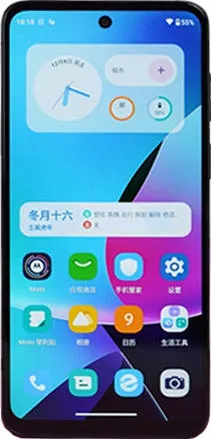
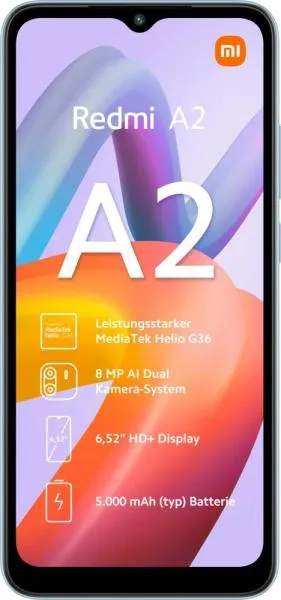
Motorola Moto G53 vs. Xiaomi Redmi A2+: A Practical Comparison
Let's dive deep into a comparative analysis of the Motorola Moto G53 and the Xiaomi Redmi A2+, translating the technical jargon into real-world implications for you.
1. Specifications Breakdown
| Feature | Motorola Moto G53 | Xiaomi Redmi A2+ | Real-World Implications |
|---|---|---|---|
| Design | |||
| Dimensions (mm) | 162.7 x 74.7 x 8.2 | 164.9 x 76.8 x 9.1 | Moto G53 is slightly smaller and thinner. |
| Weight (g) | 183 | 192 | Negligible weight difference in daily use. |
| Build Materials | Plastic | Plastic | Expect similar durability; consider a case for both. |
| Display | |||
| Size (inches) | 6.5 | 6.52 | Virtually identical screen real estate. |
| Resolution (px) | 720 x 1600 | 720 x 1600 | Same resolution; expect similar sharpness. Lower resolution impacts image and text clarity, especially for media consumption. |
| Display Type | IPS LCD, 120Hz | IPS LCD | Moto G53's 120Hz refresh rate provides smoother scrolling and animations, a noticeable advantage for gaming and general use. |
| Performance | |||
| Chipset | Snapdragon 480+ 5G | Helio G36 | Snapdragon 480+ 5G significantly outperforms Helio G36, enabling smoother multitasking and better gaming. |
| CPU | Octa-core (2.2 GHz) | Octa-core (2.2 GHz) | Moto G53's Kryo cores are more efficient and powerful than Cortex-A53 cores in the Redmi A2+. |
| GPU | Adreno 619 | PowerVR GE8320 | Adreno 619 provides a superior gaming and graphics rendering experience. |
| RAM | 4/6/8GB | 2/3GB | Moto G53 offers more RAM options, crucial for smooth multitasking. More RAM means more apps can run in the background without slowdowns. |
| Camera | |||
| Rear Camera | 50MP + 2MP | 8MP + 0.3MP | Moto G53 boasts a significantly better main camera sensor for detailed and vibrant photos. |
| Selfie Camera | 8MP | 5MP | Moto G53's selfie camera should produce higher quality self-portraits. |
| Battery Life | |||
| Capacity (mAh) | 5000 | 5000 | Similar battery capacity; actual battery life depends on usage patterns. |
| Charging | 10W | 10W | Both phones have the same charging speed, expecting similar charging times |
| Other | |||
| NFC | Yes | No | Moto G53 supports contactless payments and data transfer. NFC is crucial for mobile payments in some regions. |
| OS | Android 13 | Android 12 | Moto G53 comes with a newer Android version, potentially offering more features and longer software support. |
| Price Range | Medium | Low | Redmi A2+ is positioned as a budget-friendly option. |
2. Key Insights
The Moto G53 clearly outperforms the Redmi A2+ in almost every aspect, except for battery capacity, which is similar. The G53’s Snapdragon 480+ 5G chipset, coupled with more RAM options, delivers a significantly smoother user experience, especially for multitasking and gaming. The 120Hz display further enhances this smoothness. The superior camera system on the G53 is a major differentiator, capturing significantly better photos and videos. The Redmi A2+’s main advantage lies in its lower price point, making it accessible to budget-conscious consumers.
3. User Profiles and Recommendations
- Moto G53: Suitable for users who prioritize performance, a smooth display, a good camera, and 5G connectivity. Ideal for moderate gaming, social media enthusiasts, and those who need a reliable all-around device.
- Redmi A2+: Best suited for users on a tight budget who primarily use their phones for basic tasks like calling, texting, and light web browsing.
4. Buying Decision Framework
- What is your budget? If price is the primary concern, the Redmi A2+ is the more affordable option.
- What are your primary phone usage patterns? For demanding tasks like gaming or heavy multitasking, the Moto G53 is essential.
- How important is future-proofing? The Moto G53, with 5G and a newer Android version, is better positioned for the future.
My Choice: Motorola Moto G53
If I were choosing between these two phones, I'd opt for the Moto G53. While it comes at a higher price, the significant performance advantage, smoother display, better camera system, 5G connectivity, and NFC capability make it a much more compelling overall package. The difference in user experience would be noticeable in daily use. The Redmi A2+ is a decent budget phone, but the compromises in performance and features are too significant to overlook for a slightly lower price. In the long run, the Moto G53's superior hardware and software would provide a more satisfying and future-proof experience. For me, the extra investment in the G53 is justified by the significant gains in usability and longevity.
