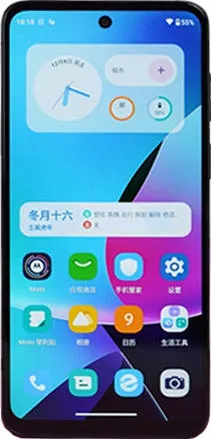
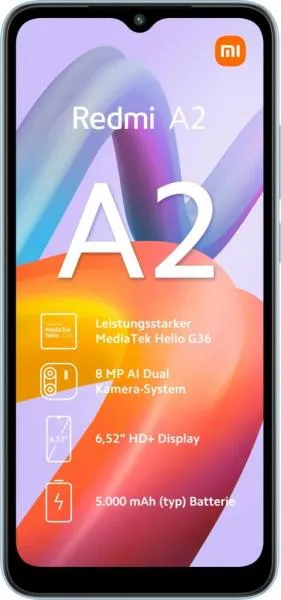
Motorola Moto G53 vs. Xiaomi Redmi A2: A Detailed Comparison
Let's dive into a head-to-head comparison of the Motorola Moto G53 and the Xiaomi Redmi A2, dissecting their specs and uncovering what they truly offer the everyday user.
1. Specifications Breakdown
| Feature | Motorola Moto G53 | Xiaomi Redmi A2 | Real-World Implications |
|---|---|---|---|
| Design | |||
| Dimensions (mm) | 162.7 x 74.7 x 8.2 | 164.9 x 76.8 x 9.1 | Moto G53 is slightly smaller and thinner. Redmi A2 is slightly heavier. Impact on one-handed use may vary. |
| Weight (g) | 183 | 192 | Negligible difference in weight for most users. |
| Display | |||
| Size (inches) | 6.5 | 6.52 | Virtually identical screen real estate. |
| Resolution (px) | 720 x 1600 | 720 x 1600 | Same resolution; expect similar sharpness and detail. Lower resolution impacts overall visual clarity. |
| Type | IPS LCD, 120Hz | IPS LCD | Moto G53's 120Hz refresh rate delivers smoother scrolling and animations. Redmi A2's refresh rate is likely 60Hz or 90Hz, leading to less fluid visuals. |
| Performance | |||
| Chipset | Snapdragon 480+ 5G | Mediatek Helio G36 | Moto G53 boasts a more powerful and efficient processor with 5G capability. Redmi A2 is a budget processor for basic tasks. |
| CPU | Octa-core (2.2 GHz) | Octa-core (2.2 GHz) | While both are octa-core, the underlying architecture differs, giving the Moto G53 a performance edge. |
| RAM | 4/6/8GB | 2/3/4GB | Moto G53 offers more RAM options, enabling better multitasking and smoother performance with demanding apps. |
| Camera | |||
| Rear Camera | 50MP + 2MP | 8MP + QVGA | Moto G53 has a significantly higher resolution main camera sensor, promising better image quality. Redmi A2's secondary camera is essentially useless. |
| Front Camera | 8MP | 5MP | Moto G53's front camera should produce better selfies. |
| Battery Life | |||
| Capacity (mAh) | 5000 | 5000 | Identical battery capacities; real-world battery life will depend on optimization and usage patterns. |
| Charging | USB Type-C | microUSB | Moto G53's USB-C allows for faster charging and data transfer. Redmi A2 uses the older microUSB standard. |
| Other | |||
| NFC | Yes | No | Moto G53 supports contactless payments and data transfer via NFC. |
| OS | Android 13 | Android 12 (Go Edition) | Moto G53 runs a newer Android version with potentially longer software support updates. Redmi A2 runs a stripped down version of Android intended for entry-level phones. |
| Price Range | Medium | Low | Significant price difference; reflects the gap in features and performance. |
2. Key Insights
The Moto G53 clearly outperforms the Redmi A2 in almost every aspect. Its superior processor, higher RAM options, better camera system, 120Hz display, 5G connectivity, NFC functionality, and more modern USB-C port make it a much more capable device. The Redmi A2's main strength lies in its affordability, making it a basic smartphone for budget-conscious users.
3. User Profiles and Recommendations
- Moto G53: Suited for users who value performance, future-proofing (5G), a smooth display, a decent camera, and modern conveniences like NFC. Ideal for moderate to heavy usage, including gaming, multitasking, and media consumption.
- Redmi A2: Best for users on a tight budget who prioritize basic communication and light internet browsing. Suitable for those who primarily use their phone for calls, texting, and essential apps. Not recommended for gaming or demanding tasks.
4. Buying Decision Framework
- What is your budget? If price is the primary concern, the Redmi A2 is the more affordable option.
- What do you primarily use your phone for? For basic communication, the Redmi A2 suffices. For anything more demanding, the Moto G53 is a better choice.
- How important is future-proofing? The Moto G53's 5G connectivity ensures it will remain relevant for longer.
My Choice: The Motorola Moto G53
If I were choosing between these two phones, I would go for the Moto G53 without hesitation. While it comes at a higher price, the significantly improved performance, 5G capability, better camera, smoother display, and NFC functionality make it a far more valuable and versatile device. The difference in user experience would be substantial, justifying the extra cost in the long run. The Redmi A2 feels like a compromise in too many areas, limiting its usability and long-term value. For a slightly higher investment, the Moto G53 delivers a significantly more enjoyable and future-proof smartphone experience.
