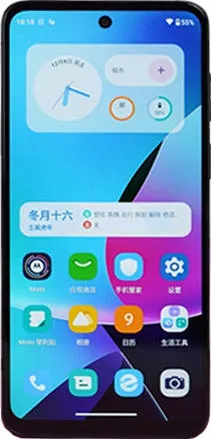
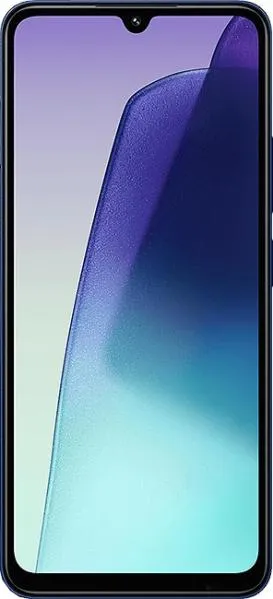
Motorola Moto G53 vs. Xiaomi Redmi 14C: A Deep Dive
Let's dissect the Motorola Moto G53 and the Xiaomi Redmi 14C, two mid-range contenders vying for your attention. We'll go beyond the spec sheet to uncover what these numbers really mean for your daily life.
1. Specifications Breakdown
| Feature | Motorola Moto G53 | Xiaomi Redmi 14C | Real-World Implications |
|---|---|---|---|
| Design | |||
| Dimensions (mm) | 162.7 x 74.7 x 8.2 | 171.9 x 77.8 x 8.2 | Redmi 14C is noticeably larger; Moto G53 is more pocketable. |
| Weight (g) | 183 | 211 | Moto G53 feels lighter and more comfortable for extended use. |
| Display | |||
| Size (inches) | 6.5 | 6.88 | Redmi 14C offers a larger screen for media consumption; Moto G53, better one-handed use. |
| Resolution | 720 x 1600 | 720 x 1640 | Both have similar sharpness despite minor resolution difference; neither is truly "sharp". |
| Refresh Rate (Hz) | 120 | 120 | Smoother scrolling and animations on both. |
| Display Type | IPS LCD | IPS LCD | Expect good viewing angles and color accuracy, but lower contrast than OLED. |
| Performance | |||
| Chipset | Snapdragon 480+ 5G | Helio G81 Ultra | Snapdragon 480+ 5G generally offers better power efficiency and slightly superior GPU performance. |
| CPU | Octa-core | Octa-core | Performance differences will be subtle in day-to-day tasks; gaming may reveal bigger gap. |
| RAM (GB) | 4/6/8 | 4/6/8 | More RAM enables smoother multitasking. |
| Camera | |||
| Main Camera (MP) | 50 | 50 | Comparable resolution; real-world image quality depends on sensor and processing. |
| Selfie Camera (MP) | 8 | 13 | Redmi 14C boasts a higher-resolution selfie camera. |
| Battery Life | |||
| Capacity (mAh) | 5000 | 5160 | Similar battery capacities; expect comparable longevity depending on usage. |
| Other | |||
| OS | Android 13 | Android 14 | Redmi 14C ships with a newer Android version out of the box. |
| 5G | Yes | No | Moto G53 offers future-proof 5G connectivity. |
| NFC | Yes | Yes | Contactless payments enabled on both. |
2. Key Insights
- Performance: The Moto G53's Snapdragon 480+ 5G edges out the Redmi 14C's Helio G81, particularly in graphics performance and power efficiency. This translates to slightly smoother gaming and potentially longer battery life.
- Display: While both phones feature 120Hz refresh rate displays, the Redmi 14C boasts a larger screen estate, making it ideal for media consumption. However, the Moto G53's smaller size makes it easier to handle.
- Connectivity: The Moto G53's inclusion of 5G is a major differentiator, ensuring faster data speeds and future-proofing your investment.
- Software: The Redmi 14C ships with the latest Android 14, giving it a slight edge in software features and potentially longer software support. However, Motorola has a decent track record with updates.
3. User Profiles and Recommendations
- Moto G53: Best suited for users who prioritize performance, 5G connectivity, a more compact form factor, and a smoother overall experience. Ideal use cases include gaming, web browsing, and everyday tasks.
- Redmi 14C: A compelling choice for users who primarily consume media on their phones and value a larger display. The newer Android OS is a bonus, but the lack of 5G might be a drawback for some.
4. Buying Decision Framework
- Is 5G essential for you? If yes, the Moto G53 is your only option.
- Do you prefer a larger screen or a more pocketable phone? The Redmi 14C caters to large-screen enthusiasts, while the Moto G53 offers better one-handed usability.
- What's your budget? Considering the features offered, both phones are competitively priced. Factor in any ongoing deals or discounts before making a decision.
My Choice: The Motorola Moto G53
If I were choosing between these two, I'd opt for the Moto G53. While the Redmi 14C offers a tempting large screen and newer Android version, the Moto G53's 5G connectivity, slightly superior performance, and more compact design are more compelling to me. In the long run, 5G is a valuable feature, and the performance difference, while subtle, contributes to a more fluid user experience. I also tend to prioritize pocketability and one-handed use. The slightly older Android version is less of a concern knowing Motorola's update history. Ultimately, the Moto G53 represents a more well-rounded package for my needs.
