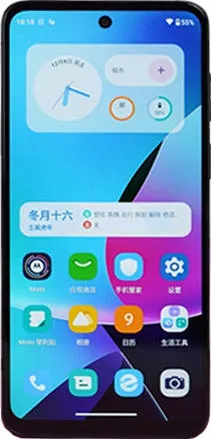
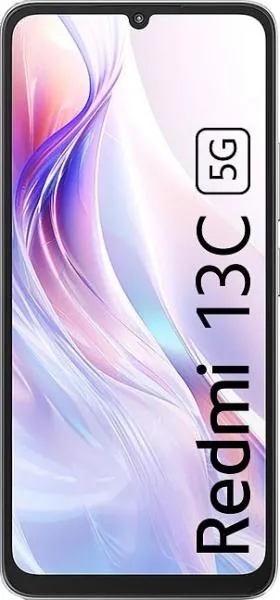
Motorola Moto G53 vs. Xiaomi Redmi 13C 5G: A Detailed Comparison
Let's dive into a head-to-head comparison of the Motorola Moto G53 and the Xiaomi Redmi 13C 5G, dissecting their specifications and uncovering what they mean for you, the user.
1. Specifications Breakdown
| Feature | Motorola Moto G53 | Xiaomi Redmi 13C 5G | Real-World Implications | |
|---|---|---|---|---|
| Design | ||||
| Dimensions (mm) | 162.7 x 74.7 x 8.2 | 168 x 78 x 8.1 | Redmi 13C is slightly larger and heavier. Moto G53 might feel more compact in hand. | |
| Weight (g) | 183 | 192 | Noticeable difference in weight; Redmi 13C feels more substantial. | |
| Display | ||||
| Size (inches) | 6.5 | 6.74 | Redmi 13C offers a larger screen for more immersive content consumption. | |
| Resolution (px) | 720 x 1600 | 720 x 1600 | Identical resolution, but Redmi 13C's larger display results in slightly lower pixel density (260 ppi vs 270 ppi), potentially less sharp. | |
| Refresh Rate (Hz) | 120 | 90 | Moto G53's higher refresh rate delivers smoother scrolling and animations, more responsive feel. | |
| Display Type | IPS LCD | IPS LCD | Both use IPS LCD technology, expecting good color reproduction and viewing angles. | |
| Performance | ||||
| Chipset | Snapdragon 480+ 5G | Dimensity 6100+ | Dimensity 6100+ offers significantly better CPU and GPU performance, leading to faster app loading, smoother multitasking, better gaming. | |
| CPU | Octa-core (2x2.2 GHz & 6x1.8 GHz) | Octa-core (2x2.2 GHz & 6x2.0 GHz) | Both are octa-core, but Dimensity 6100+'s architecture and higher clock speeds provide a performance advantage for Redmi 13C. | |
| RAM (GB) | 4/6/8 | 4/6/8 | RAM options are similar, impacting multitasking capabilities. More RAM generally allows for smoother performance with multiple open apps. | |
| Camera | ||||
| Main Camera (MP) | 50 | 50 | Both have 50MP main cameras, likely using the same Samsung JN1 sensor. Image quality will depend on software processing. | |
| Selfie Camera (MP) | 8 | 5 | Moto G53 boasts a higher resolution selfie camera. | |
| Battery Life | ||||
| Capacity (mAh) | 5000 | 5000 | Identical battery capacity. Actual battery life depends on usage patterns and software optimization. |
2. Key Insights
Performance: The Redmi 13C, with its Dimensity 6100+ chipset, significantly outperforms the Moto G53 in processing power and graphics capabilities. This translates to a smoother, faster experience, especially for demanding tasks like gaming or multitasking.
Display: While both phones have the same resolution, the Moto G53's 120Hz refresh rate delivers a noticeably smoother visual experience compared to the Redmi 13C's 90Hz. However, the Redmi 13C offers a larger screen size for more immersive media consumption.
Camera: Both phones feature a 50MP main camera, likely utilizing the same sensor. Real-world image quality will depend on each manufacturer's software processing. The Moto G53 offers a higher resolution front-facing camera for potentially better selfies.
Software and Features: The Moto G53 has NFC for contactless payments, a feature missing in the Redmi 13C.
3. User Profiles and Recommendations
Moto G53: Best suited for users prioritizing a smooth display experience, compact form factor, NFC functionality, and a clean Android experience. Ideal for everyday tasks, social media, web browsing, and casual gaming.
Redmi 13C: A better choice for users who demand higher performance for gaming, multitasking, and demanding applications. The larger screen also benefits media consumption.
4. Buying Decision Framework
- Do you prioritize performance above all else? If so, the Redmi 13C is the clear winner.
- Is a smooth display experience crucial for you? The Moto G53's 120Hz refresh rate will be more appealing.
- Do you need NFC for contactless payments? This is only available on the Moto G53.
My Choice: The Motorola Moto G53
While the Redmi 13C boasts superior processing power, I would choose the Motorola Moto G53. The 120Hz refresh rate significantly enhances daily interactions, making everything feel more responsive and fluid. This, combined with the more compact form factor and the inclusion of NFC for mobile payments, aligns better with my personal preferences. I value the smooth user experience and practical features over raw processing power for my typical usage, which revolves around communication, web browsing, content consumption, and light gaming. The slightly lower performance of the Snapdragon 480+ is a trade-off I'm willing to make for the advantages the Moto G53 offers in other areas that I find more impactful on a daily basis.
