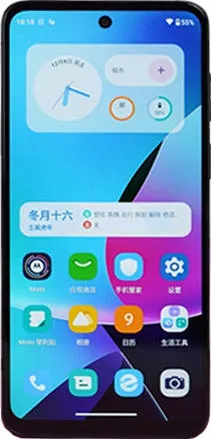
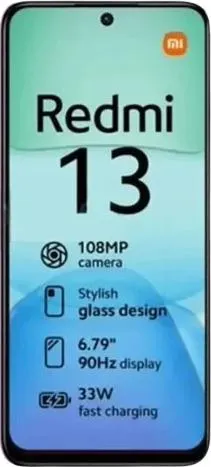
Let's dive into a comparative analysis of the Motorola Moto G53 and the Xiaomi Redmi 13, dissecting their specifications and uncovering what they truly offer the everyday user.
1. Specifications Breakdown
| Feature | Motorola Moto G53 | Xiaomi Redmi 13 | Real-World Implications |
|---|---|---|---|
| Design | |||
| Dimensions (mm) | 162.7 x 74.7 x 8.2 | 168.6 x 76.3 x 8.3 | Redmi 13 is slightly larger and heavier. G53 might be more pocketable. |
| Weight (g) | 183 | 205 | Noticeable difference in hand; G53 feels lighter. |
| Display | |||
| Size (inches) | 6.5 | 6.79 | Redmi 13 offers a larger screen for media consumption. |
| Resolution (px) | 720 x 1600 | 1080 x 2460 | Redmi 13 boasts significantly sharper visuals; G53's lower resolution may appear pixelated. |
| Refresh Rate (Hz) | 120 | 90 | G53's higher refresh rate results in smoother scrolling and animations, despite lower resolution. |
| Type | IPS LCD | IPS LCD | Both offer good color reproduction and viewing angles, typical of LCD technology. |
| Performance | |||
| Chipset | Snapdragon 480+ 5G | Helio G91 Ultra | Redmi 13 likely has a slight edge in raw processing power, but both are geared towards efficiency. |
| CPU | Octa-core | Octa-core | Both should handle daily tasks well, but demanding games might push their limits. |
| RAM (GB) | 4/6/8 | 6/8 | More RAM in certain G53 variants can improve multitasking. |
| Camera | |||
| Main Camera (MP) | 50 | 108 | Redmi 13's higher megapixel count potentially captures more detail, but real-world results vary. |
| Selfie Camera (MP) | 8 | 13 | Redmi 13 has a higher resolution selfie camera. |
| Battery Life | |||
| Capacity (mAh) | 5000 | 5030 | Negligible difference in battery capacity; real-world usage will determine battery life. |
2. Key Insights
Display: The Redmi 13's higher resolution display is a clear advantage for media consumption and overall visual clarity. However, the G53's 120Hz refresh rate provides a noticeable smoothness in everyday use that some users might prioritize over pure resolution.
Performance: While benchmark numbers might favor the Redmi 13 slightly, both phones are positioned in the budget-midrange segment, and their performance will be adequate for most everyday tasks. The choice here depends on whether you prioritize raw processing power or smooth scrolling and animations.
Camera: The Redmi 13 boasts a significantly higher megapixel count on its main camera, promising more detail. However, megapixels don't tell the whole story; image processing and sensor quality play a crucial role. Real-world camera comparisons are needed to determine the true winner.
Value: The Redmi 13 generally offers better value due to its superior display and competitive performance at a lower price point. The G53's strengths lie in its compact form factor and higher refresh rate display.
3. User Profiles and Recommendations
Moto G53: Suited for users who prioritize a compact and lightweight phone with a smooth display. Ideal for those who value one-handed usability and responsiveness over screen real estate and raw power.
Redmi 13: Best for users who want a large, sharp display for media consumption and a good balance of performance and affordability. Great for those who prioritize visual quality and value for their money.
4. Buying Decision Framework
What's your budget? The Redmi 13 generally offers a lower price for similar storage configurations.
Do you prioritize a smooth display or a sharper one? The G53's 120Hz feels incredibly smooth, while the Redmi 13's Full HD+ resolution offers superior clarity.
What size phone do you prefer? The G53 is more compact and easier to handle, whereas the Redmi 13 has a larger screen for immersive media.
My Choice: Xiaomi Redmi 13
While the Moto G53's compact size and 120Hz refresh rate are tempting, the Xiaomi Redmi 13 offers a more compelling overall package for me. The significantly sharper display is a major factor, as I consume a lot of media on my phone. The Redmi 13 also provides a competitive level of performance and a higher-resolution selfie camera, all at a generally lower price point. The slightly larger size is a trade-off I'm willing to make for the enhanced visual experience and overall value. Ultimately, the Redmi 13 strikes a better balance between features, performance, and affordability.
