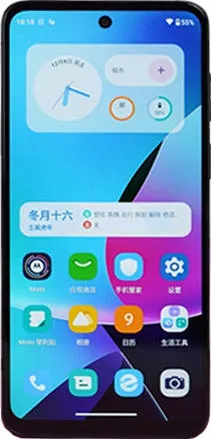
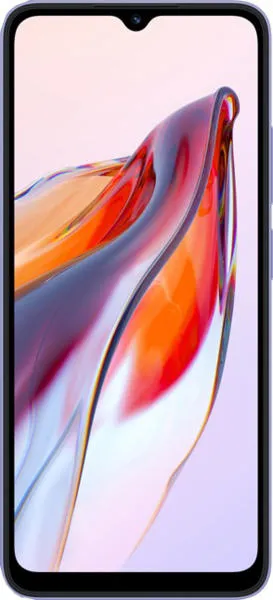
Motorola Moto G53 vs. Xiaomi Redmi 12C: A Practical Comparison
Let's dive into a head-to-head comparison of the Motorola Moto G53 and the Xiaomi Redmi 12C, dissecting their specs and uncovering what they truly offer the everyday user.
1. Specifications Breakdown
| Feature | Motorola Moto G53 | Xiaomi Redmi 12C | Real-World Implications |
|---|---|---|---|
| Design | |||
| Dimensions (mm) | 162.7 x 74.7 x 8.2 | 168.8 x 76.4 x 8.8 | Moto G53 is slightly more compact and potentially easier to handle. |
| Weight (g) | 183 | 192 | Redmi 12C is a bit heavier, might be noticeable during extended use. |
| Display | |||
| Size (inches) | 6.5 | 6.71 | Redmi 12C offers a larger screen for more immersive media consumption. |
| Resolution (px) | 720 x 1600 | 720 x 1650 | Virtually identical sharpness; Redmi 12C marginally taller due to aspect ratio. |
| Type | IPS LCD, 120Hz | IPS LCD | Moto G53's 120Hz refresh rate delivers smoother scrolling and animations, a noticeable advantage. |
| Performance | |||
| Chipset | Snapdragon 480+ 5G | Helio G85 | Snapdragon 480+ 5G generally offers better performance and 5G connectivity, a future-proofing advantage. |
| CPU | Octa-core (2.2 GHz) | Octa-core (2.0 GHz) | Moto G53 likely has a slight edge in processing power. |
| RAM (GB) | 4/6/8 | 3/4/6 | Both offer various RAM options, impacting multitasking performance. |
| Camera | |||
| Rear Main (MP) | 50 | 50 | Comparable megapixel count; real-world image quality depends on sensor and processing. |
| Front (MP) | 8 | 5 | Moto G53 boasts a higher resolution selfie camera. |
| Battery Life | |||
| Capacity (mAh) | 5000 | 5000 | Identical battery capacity; actual battery life depends on usage and optimization. |
| Charging | USB-C | microUSB | Moto G53's USB-C is more modern and generally supports faster charging. |
2. Key Insights
The Moto G53 shines with its superior display refresh rate (120Hz), providing a noticeably smoother user experience. Its Snapdragon 480+ 5G chipset also brings a performance advantage and crucial 5G future-proofing. The Redmi 12C counters with a larger display for a more immersive visual experience and a lower price point, making it budget-friendly.
Real-world implications: The G53's smoother display will be apparent in everyday tasks like scrolling and gaming. 5G connectivity ensures faster data speeds where available. The 12C's larger screen is great for media consumption, but the lack of a high refresh rate might result in a less fluid experience.
3. User Profiles and Recommendations
Moto G53: Best suited for users who prioritize a smooth and responsive experience, value 5G connectivity, and are willing to pay a bit more for performance. Ideal for moderate gaming, multitasking, and media consumption on the go.
Redmi 12C: A great option for budget-conscious users who primarily use their phones for basic tasks like calling, texting, browsing, and casual media consumption. The large screen is a plus for enjoying videos.
4. Buying Decision Framework
- Is 5G connectivity important to you? If yes, the Moto G53 is the clear winner.
- What's your budget? The Redmi 12C offers excellent value for its price.
- Do you prioritize a smooth display or a larger screen? G53 for smoothness, 12C for size.
My Choice: The Motorola Moto G53
While the Redmi 12C offers incredible value, I'd choose the Motorola Moto G53. The 120Hz refresh rate significantly enhances daily interaction with the phone, creating a more enjoyable and premium feel. The Snapdragon 480+ 5G offers not just better performance today but also ensures the phone remains relevant for longer with its 5G capabilities. While I appreciate the 12C's larger screen, the lack of a high refresh rate and the use of an older microUSB port make the G53 the more compelling device for me, even with the slightly higher price. It represents a better long-term investment in terms of both performance and technology. The smoother user experience and future-proof connectivity are worth the premium in my book.
