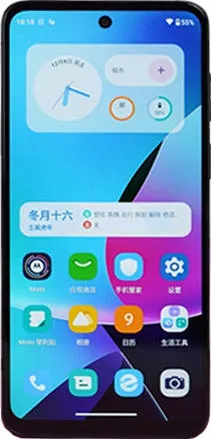
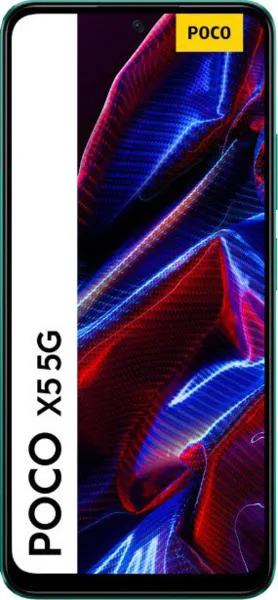
Let's dive into a comparative analysis of the Motorola Moto G53 and the Xiaomi Poco X5, dissecting their technical specifications and translating them into real-world implications for you.
1. Specifications Breakdown
| Feature | Motorola Moto G53 | Xiaomi Poco X5 | Real-World Implications |
|---|---|---|---|
| Design | |||
| Dimensions (mm) | 162.7 x 74.7 x 8.2 | 165.9 x 76.2 x 8 | Poco X5 is slightly larger and heavier. Negligible difference in daily use. |
| Weight (g) | 183 | 189 | Poco X5 is slightly heavier, but the difference is minimal. |
| Display | |||
| Type | IPS LCD, 120Hz | AMOLED, 120Hz | Poco X5 boasts a superior AMOLED display with vibrant colors, deeper blacks, and potentially better power efficiency. G53 has a faster LCD. |
| Size | 6.5" | 6.67" | Poco X5 offers a slightly larger screen for more immersive content consumption. |
| Resolution | 720 x 1600 | 1080 x 2400 | Poco X5's significantly higher resolution delivers sharper text and images, a noticeable improvement in clarity. |
| PPI Density | 270 | 395 | Sharper images and text on the Poco X5. Noticeably better for media consumption. |
| Performance | |||
| Chipset | Snapdragon 480+ 5G | Snapdragon 695 5G | Poco X5's Snapdragon 695 offers better CPU and GPU performance, resulting in smoother multitasking and gaming. |
| CPU | Octa-core (2x2.2 GHz & 6x1.8 GHz) | Octa-core (2x2.2 GHz & 6x1.7 GHz) | While core counts are similar, architectural differences give the Poco X5 a performance edge in demanding tasks. |
| GPU | Adreno 619 | Adreno 619 | While both use the same GPU, the Poco X5's superior CPU might provide slight benefits in some graphics-intensive applications. |
| RAM | 4GB/6GB | 6GB/8GB | Poco X5 offers larger RAM options for improved multitasking and app loading speeds. |
| Camera | |||
| Main Camera | 50MP | 48MP | Resolution difference is minor. Image quality will depend more on sensor and processing. |
| Front Camera | 8MP | 13MP | Poco X5 has a higher resolution front camera, potentially resulting in better selfie quality. |
| Battery Life | |||
| Capacity | 5000 mAh | 5000 mAh | Similar battery capacities suggest comparable battery life, but real-world usage will vary based on software optimization and display tech. |
2. Key Insights
- Display: The Poco X5's AMOLED display is a clear winner, offering richer colors and deeper blacks compared to the G53's LCD. However, the G53's LCD boasts a 120Hz refresh rate, potentially providing smoother scrolling and animations.
- Performance: The Poco X5 significantly outperforms the G53 thanks to its more powerful Snapdragon 695 chipset and larger RAM options. This translates to smoother multitasking, faster app loading, and better gaming performance.
- Camera: While megapixel counts are close, real-world camera performance will depend on factors beyond resolution. Expect the Poco X5 to handle low-light situations better due to generally improved processing on the newer chipset.
- Value: The pricing is crucial in this comparison. If the Moto G53 is significantly cheaper, it might offer better value despite its lower-end specs, particularly for budget-conscious users.
3. User Profiles and Recommendations
- Moto G53: Best suited for budget-conscious users who prioritize basic smartphone functionality, casual gaming, and long battery life. Ideal for:
- Light social media users
- Casual photographers
- Users seeking a reliable, affordable device
- Poco X5: A better choice for users who value a superior display, smoother performance, and better gaming capabilities. Ideal for:
- Mobile gamers
- Content consumers (video streaming, social media)
- Users who demand a more responsive and visually appealing experience
4. Buying Decision Framework
- What is your budget? If price is a major concern, the Moto G53 might be the better option.
- What are your primary smartphone uses? For demanding tasks like gaming or media consumption, the Poco X5 is superior. For basic communication and light usage, the G53 is sufficient.
- How important is display quality? If you value vibrant colors and deep blacks, the AMOLED display on the Poco X5 is a must-have.
My Choice
Personally, I would choose the Xiaomi Poco X5. While the Moto G53 offers decent value for its price, the Poco X5's superior AMOLED display, significantly better performance (thanks to the Snapdragon 695 and larger RAM), and improved camera make it a more compelling overall package. The slightly higher price is justified by the noticeable upgrade in user experience across the board. The sharper screen and smoother performance are crucial for my daily workflow and entertainment consumption.
