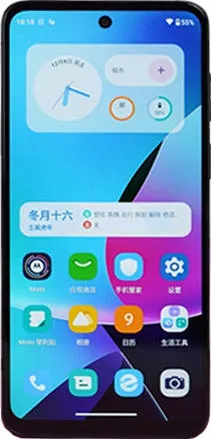
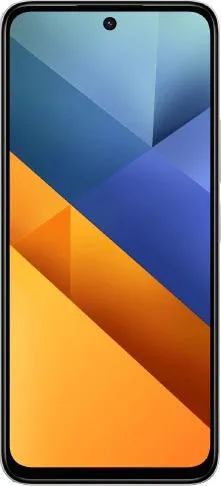
Motorola Moto G53 vs. Xiaomi Poco M6 4G: A Detailed Comparison
Let's dive deep into a comparative analysis of the Motorola Moto G53 and the Xiaomi Poco M6 4G, dissecting their specifications and uncovering what they truly offer users in the real world.
1. Specifications Breakdown
| Feature | Motorola Moto G53 | Xiaomi Poco M6 4G | Real-World Implications |
|---|---|---|---|
| Design | |||
| Dimensions (mm) | 162.7 x 74.7 x 8.2 | 168.6 x 76.3 x 8.3 | Poco M6 is slightly larger and heavier. Moto G53 might feel more compact and pocketable. |
| Weight (g) | 183 | 205 | Noticeable weight difference; Poco M6 might feel more substantial but less comfortable for extended use. |
| Display | |||
| Size (inches) | 6.5 | 6.79 | Poco M6 offers a larger screen for more immersive media consumption. |
| Resolution | 720 x 1600 | 1080 x 2460 | Poco M6 has a significantly sharper display with noticeably better clarity and detail. |
| Refresh Rate (Hz) | 120 | 90 | Moto G53 boasts a higher refresh rate for smoother scrolling and animations, but lower resolution. |
| Display Type | IPS LCD | IPS LCD | Both offer good color reproduction and viewing angles, typical of IPS LCD technology. |
| Performance | |||
| Chipset | Snapdragon 480+ 5G | Helio G91 | Snapdragon 480+ has a slight edge in overall performance and 5G connectivity. Helio G91 may have stronger GPU. |
| CPU | Octa-core (2.2 GHz) | Octa-core (2.0 GHz) | Comparable CPU performance, but benchmarks needed for accurate comparison. |
| RAM (GB) | 4/6/8 | 6/8 | More RAM options available for Moto G53, allowing for better multitasking. |
| Camera | |||
| Main Camera (MP) | 50 | 108 | Poco M6 boasts higher megapixel count, potentially capturing more detail. Real-world image quality dependent on sensor and processing. |
| Selfie Camera (MP) | 8 | 13 | Poco M6 has a higher resolution selfie camera. |
| Battery Life | |||
| Capacity (mAh) | 5000 | 5030 | Nearly identical battery capacities, expected similar battery life depending on usage. |
2. Key Insights
- Display: The Poco M6's higher resolution display is a significant advantage for media consumption and overall visual clarity. While the Moto G53's 120Hz refresh rate provides smoother animations, the lower resolution might detract from the experience.
- Performance: The Snapdragon 480+ 5G in the Moto G53 offers a slight performance edge and crucial 5G connectivity for future-proofing. The Helio G91 in the Poco M6 is no slouch but might fall slightly behind in demanding tasks.
- Camera: The Poco M6's 108MP main camera sensor is attention-grabbing, but megapixels don't tell the whole story. Image processing and sensor quality will ultimately determine the real-world performance. The Moto G53's 50MP camera, coupled with Samsung's JN1 sensor, could potentially deliver surprisingly good results.
- Value: The Poco M6 generally comes at a lower price point, making it a compelling value proposition. The Moto G53's strengths lie in its 5G connectivity and potentially smoother user experience due to the higher refresh rate display.
3. User Profiles and Recommendations
- Moto G53: Best suited for users who prioritize 5G connectivity, a smoother user experience (even with lower resolution), and a more compact form factor. Ideal for users who browse the web, use social media, and engage in light gaming.
- Poco M6 4G: Ideal for budget-conscious users who value a large, high-resolution display for media consumption and casual gaming. Suitable for those who prioritize screen real estate and battery life over raw processing power and 5G.
4. Buying Decision Framework
- Do you need 5G connectivity? If yes, the Moto G53 is the clear choice.
- Is a high-resolution display a priority? If yes, the Poco M6's sharper screen is a strong advantage.
- What is your budget? The Poco M6 generally offers better value for its price, while the Moto G53 justifies its price with 5G and potentially better performance in some areas.
My Choice: I would choose the Xiaomi Poco M6 4G. While I appreciate the future-proofing of 5G and the smoother scrolling of a 120Hz display, the significantly sharper and larger screen of the Poco M6 is more compelling to me. I prioritize display quality for media consumption and everyday tasks, and the Poco M6 delivers in that area while offering excellent value for its price. The slight performance difference and lack of 5G are acceptable trade-offs for the superior visual experience and affordability. The difference in screen resolution is significant enough to influence my decision. A crisp, detailed display enhances everything from reading text to watching videos and playing games. While performance is essential, the Helio G91 is more than capable of handling everyday tasks and even some moderate gaming.
