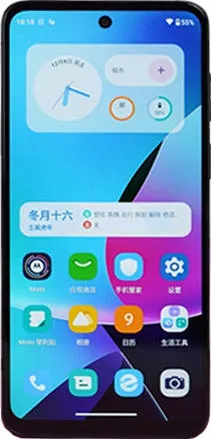
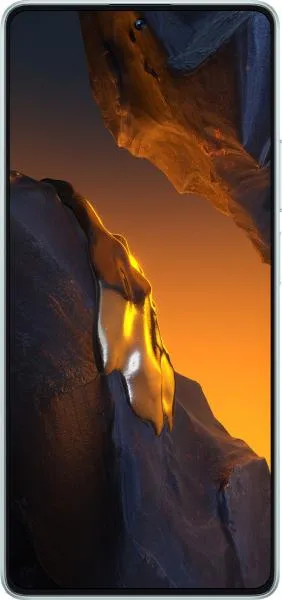
Let's dive into a comparative analysis of the Motorola Moto G53 and the Xiaomi Poco F5, dissecting their specifications and uncovering what they truly offer in real-world usage.
1. Specifications Breakdown
| Feature | Motorola Moto G53 | Xiaomi Poco F5 | Real-World Implications |
|---|---|---|---|
| Design | |||
| Dimensions (mm) | 162.7 x 74.7 x 8.2 | 161.1 x 75 x 7.9 | Poco F5 is slightly more compact. Negligible difference in daily use. |
| Weight (g) | 183 | 181 | Virtually identical; both feel light and comfortable in hand. |
| Display | |||
| Type | IPS LCD | AMOLED | Poco F5 offers richer colors, deeper blacks, and better contrast, leading to a more vibrant and enjoyable viewing experience. |
| Size | 6.5" | 6.67" | Poco F5 has a slightly larger screen, providing more immersive content consumption. |
| Resolution | 720 x 1600 | 1080 x 2400 | Poco F5's significantly higher resolution translates to sharper text, images, and videos – a noticeable difference in clarity. |
| Refresh Rate | 120Hz | 120Hz | Both offer smooth scrolling and animations. |
| Performance | |||
| Chipset | Snapdragon 480+ 5G | Snapdragon 7+ Gen 2 | Poco F5 boasts a vastly superior processor, delivering significantly faster performance in demanding tasks and gaming. |
| CPU | Octa-core (2.2 GHz) | Octa-core (2.91 GHz) | Poco F5's more powerful CPU cores offer a substantial performance advantage in multitasking and app loading speeds. |
| GPU | Adreno 619 | Adreno 725 | Poco F5's GPU provides a considerable leap in graphics performance, resulting in smoother gaming and faster rendering. |
| RAM | 4GB/6GB/8GB | 8GB/12GB | More RAM in Poco F5, especially the 12GB variant, enables smoother multitasking and better handling of memory-intensive applications. |
| Camera | |||
| Main Camera | 50MP | 64MP | Poco F5's main camera offers higher resolution and potentially better low-light performance. Real-world results depend on sensor quality. |
| Video | 1080p@30fps | 4K@30fps | Poco F5 allows for higher resolution video recording. |
| Battery Life | |||
| Capacity | 5000 mAh | 5000 mAh | Similar battery capacities suggest comparable battery life, but actual performance depends on software optimization and usage patterns. |
2. Key Insights
The Moto G53 is a budget-friendly 5G phone prioritizing connectivity over raw performance. Its strengths lie in its affordability and long battery life.
The Poco F5, on the other hand, is a performance-oriented device. Its powerful processor, high refresh rate AMOLED display, and capable camera system cater to users seeking a more premium experience. The significantly faster processor is a game-changer for demanding tasks and gaming.
3. User Profiles and Recommendations
Moto G53: Ideal for budget-conscious users who prioritize battery life and 5G connectivity for everyday tasks like browsing, social media, and casual gaming. Less suitable for demanding users or mobile gamers.
Poco F5: Well-suited for power users, gamers, and content creators who demand top-tier performance, a vibrant display, and a capable camera system. A great choice for those who want a future-proof device.
4. Buying Decision Framework
- What is your budget? The Moto G53 is significantly more affordable.
- What are your primary phone usage patterns? Basic tasks vs. demanding applications and gaming.
- How important is display quality? The Poco F5's AMOLED screen is a major differentiator.
My Choice: Xiaomi Poco F5
While the Moto G53 offers excellent value for its price, I would choose the Poco F5. The superior performance offered by the Snapdragon 7+ Gen 2, coupled with the vibrant AMOLED display and more capable camera system, justifies the price difference for me. As a tech enthusiast, I value a smooth and responsive user experience, which the Poco F5 delivers in spades. The improved graphics capabilities are also a significant draw, as I enjoy mobile gaming and appreciate high-quality visuals. Ultimately, the Poco F5 offers a more well-rounded and future-proof package.
