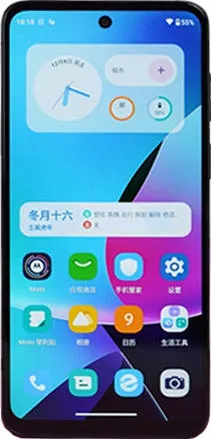
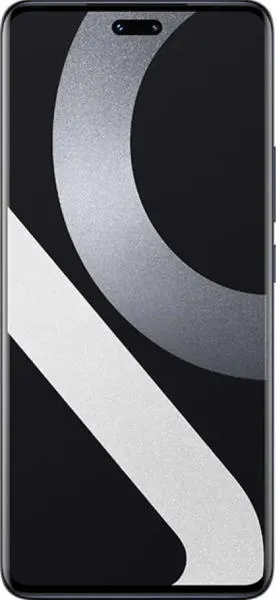
Motorola Moto G53 vs. Xiaomi 13 Lite: A Deep Dive
Let's dissect the Motorola Moto G53 and the Xiaomi 13 Lite, moving beyond the spec sheet to uncover what these phones really offer in terms of daily use.
1. Specifications Breakdown
| Feature | Motorola Moto G53 | Xiaomi 13 Lite | Real-World Implications |
|---|---|---|---|
| Design | |||
| Dimensions (mm) | 162.7 x 74.7 x 8.2 | 159.2 x 72.7 x 7.2 | Xiaomi 13 Lite is slightly smaller and thinner, potentially more pocketable. |
| Weight (g) | 183 | 171 | Xiaomi 13 Lite is noticeably lighter, enhancing one-handed use and reducing fatigue. |
| Display | |||
| Type | IPS LCD | AMOLED | Xiaomi 13 Lite offers richer colors, deeper blacks, and better power efficiency. |
| Size (inches) | 6.5 | 6.55 | Negligible size difference. |
| Resolution | 720 x 1600 | 1080 x 2400 | Xiaomi 13 Lite boasts significantly sharper visuals due to higher resolution. |
| Refresh Rate (Hz) | 120 | 120 | Both offer smooth scrolling and animations. |
| Performance | |||
| Chipset | Snapdragon 480+ 5G | Snapdragon 7 Gen 1 | Xiaomi 13 Lite's processor is considerably more powerful, enabling smoother multitasking and gaming. |
| CPU | Octa-core (2.2 GHz) | Octa-core (2.4 GHz) | Xiaomi 13 Lite offers superior processing power for demanding tasks. |
| RAM (GB) | 4/6/8 | 8 | Xiaomi 13 Lite offers more RAM in its base configuration for smoother multitasking. |
| Camera | |||
| Rear Main (MP) | 50 | 50 | Comparable main camera resolution, but sensor quality and features differ (see below). |
| Front (MP) | 8 | 32 + 8 | Xiaomi 13 Lite features a significantly higher resolution front camera and a secondary depth sensor. |
| Video | 1080p@30fps | 4K@30fps | Xiaomi 13 Lite can record video at a much higher resolution. |
| Battery Life | |||
| Capacity (mAh) | 5000 | 4500 | Moto G53 has a larger battery capacity, potentially offering longer usage time. |
2. Key Insights
- Display: The Xiaomi 13 Lite's AMOLED display is a clear winner, offering vibrant colors and deep blacks. The Moto G53's LCD is functional but lacks the visual punch and power efficiency of AMOLED.
- Performance: The Snapdragon 7 Gen 1 in the Xiaomi 13 Lite significantly outperforms the Moto G53's Snapdragon 480+. This translates to a smoother, more responsive experience, especially for demanding tasks and gaming.
- Camera: While both phones have 50MP main cameras, the Xiaomi 13 Lite likely uses a superior sensor (Sony IMX766). It also offers 4K video recording and a much more impressive front camera setup. The Moto G53's camera system is more basic.
- Battery: The Moto G53's larger 5000mAh battery might offer longer endurance, but the Xiaomi 13 Lite's AMOLED display could offset this difference due to its energy efficiency. Real-world battery life would depend heavily on usage patterns.
3. User Profiles and Recommendations
- Moto G53: Best suited for budget-conscious users who prioritize basic functionality, long battery life, and 5G connectivity. Ideal for casual users who primarily use their phones for calling, texting, web browsing, and light social media.
- Xiaomi 13 Lite: Best for users who value a premium multimedia experience, strong performance, and a capable camera system. Ideal for mobile gamers, photography enthusiasts, and those who consume a lot of video content on their phones.
4. Buying Decision Framework
- What's your budget? The Moto G53 is generally more affordable.
- What are your primary phone usage patterns? Casual users might find the Moto G53 sufficient, while power users would appreciate the Xiaomi 13 Lite's performance.
- Which features matter most to you? Prioritize battery life with the Moto G53, or opt for the Xiaomi 13 Lite if display quality, camera performance, and overall speed are more important.
My Choice: Xiaomi 13 Lite
While the Moto G53 offers excellent value for its price, I would choose the Xiaomi 13 Lite. The superior AMOLED display, significantly faster processor, more capable camera system, and sleek design are compelling advantages. The slightly smaller battery is a trade-off I'm willing to make for the overall enhanced user experience. The performance difference between the Snapdragon 480+ and the Snapdragon 7 Gen 1 is substantial, and for me, that responsiveness and future-proofing are worth the investment. I value a smooth, lag-free experience, a vibrant display for consuming media, and a good camera for capturing memories – and the Xiaomi 13 Lite delivers on all fronts.
