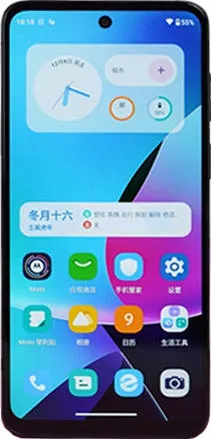
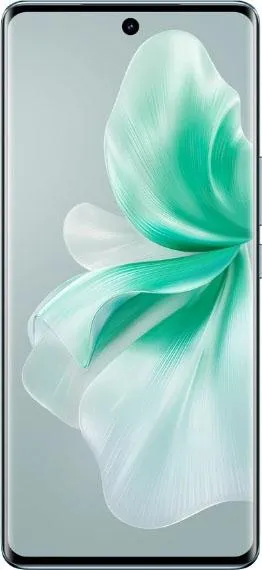
Motorola Moto G53 vs. vivo V30: A Detailed Comparison
Let's dive into a head-to-head comparison of the Motorola Moto G53 and the vivo V30, dissecting their specs and uncovering what they truly offer in real-world usage.
1. Specifications Breakdown
| Feature | Motorola Moto G53 | vivo V30 | Real-World Implications |
|---|---|---|---|
| Design | |||
| Dimensions (mm) | 162.7 x 74.7 x 8.2 | 164.4 x 75.1 x 7.5 | V30 slightly larger, but thinner. Negligible difference in hand feel for most users. |
| Weight (g) | 183 | 186 | Virtually identical weight; both comfortable for one-handed use. |
| Display | |||
| Type | IPS LCD, 120Hz | AMOLED, 120Hz | V30's AMOLED offers deeper blacks, vibrant colors, and potentially better battery efficiency. G53's LCD is generally more readable outdoors. |
| Size (inches) | 6.5 | 6.78 | V30 provides a larger viewing area for media consumption. |
| Resolution | 720 x 1600 | 1260 x 2800 | V30 boasts significantly sharper visuals due to much higher resolution. G53's display will appear noticeably pixelated. |
| Performance | |||
| Chipset | Snapdragon 480+ 5G | Snapdragon 7 Gen 3 | V30 significantly more powerful, enabling smoother multitasking, gaming, and demanding applications. G53 suitable for basic tasks. |
| CPU | Octa-core (2.2 GHz) | Octa-core (2.63 GHz) | V30's faster CPU cores deliver superior responsiveness. |
| RAM | 4/6/8GB | 8/12GB | V30 offers more RAM for seamless multitasking and app switching. |
| Camera | |||
| Main Camera | 50MP | 50MP | Comparable megapixel count, but V30 likely utilizes a superior sensor and optics, potentially resulting in better image quality. |
| Selfie Camera | 8MP | 50MP | V30 boasts a dramatically better selfie camera for high-resolution self-portraits. |
| Video | 1080p@30fps | 4K@30fps | V30 capable of recording much higher resolution video. |
| Battery Life | |||
| Capacity | 5000 mAh | 5000 mAh | Similar battery capacity; actual battery life will depend on usage and software optimization. V30's AMOLED might offer slight advantage. |
2. Key Insights
- Performance: The vivo V30 is the clear winner in terms of processing power, thanks to the Snapdragon 7 Gen 3 chip. This translates to a smoother, more responsive experience, especially for demanding tasks like gaming and video editing. The Moto G53, with its Snapdragon 480+, is sufficient for everyday tasks but will struggle with heavy lifting.
- Display: The V30's AMOLED display offers a significant advantage in terms of visual quality, with richer colors, deeper blacks, and higher resolution. However, the G53's LCD might be preferable in bright sunlight due to its higher reflectivity.
- Camera: While both phones have a 50MP main camera, the V30 likely incorporates a larger sensor with better light capture capabilities. The V30 also pulls ahead significantly with its superior selfie camera and 4K video recording.
- Value: The Moto G53 is positioned as a budget-friendly option, while the vivo V30 occupies a higher price bracket. The G53 makes compromises on display resolution and processing power to achieve its lower price point.
3. User Profiles and Recommendations
- Moto G53: Best suited for budget-conscious users who prioritize basic functionality: calling, texting, web browsing, and social media. Not recommended for gamers or power users.
- vivo V30: Ideal for users who demand a premium experience with a vibrant display, smooth performance, and a capable camera system. Excellent for multimedia consumption, mobile gaming, and content creation.
4. Buying Decision Framework
- What is your budget? If price is a primary concern, the G53 is the more affordable option.
- What are your primary use cases? For demanding tasks, the V30's superior performance is essential. For basic usage, the G53 is sufficient.
- How important is display and camera quality? The V30 offers a significant upgrade in both areas.
My Choice: I would choose the vivo V30. While the Moto G53 is a respectable budget option, the V30's superior performance, stunning AMOLED display, and more capable camera system are compelling. As someone who values a smooth user experience and appreciates high-quality visuals, the V30 aligns better with my needs. The price difference is justified by the significant jump in overall quality and future-proofing offered by the V30. The Snapdragon 7 Gen 3 ensures the phone will remain performant for years to come, handling software updates and demanding applications with ease.
