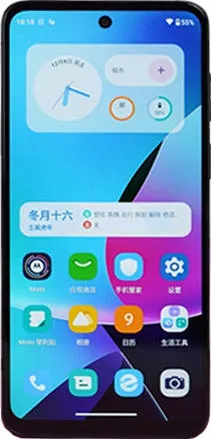
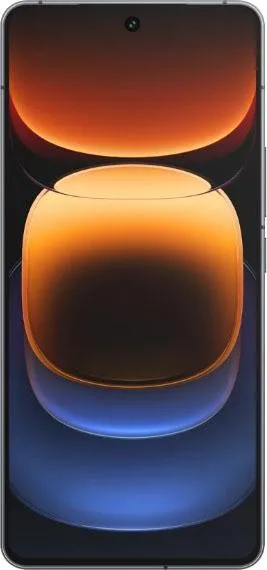
Motorola Moto G53 vs. vivo iQOO 12: A Deep Dive for the Discerning Smartphone User
Hello fellow tech explorers! Alex Griffin here, ready to dissect the Motorola Moto G53 and the vivo iQOO 12. We'll go beyond the spec sheets to uncover what these phones really offer in terms of daily use. Let's dive in!
1. Specifications Breakdown
| Feature | Motorola Moto G53 | vivo iQOO 12 | Real-World Implications |
|---|---|---|---|
| Design | |||
| Dimensions (mm) | 162.7 x 74.7 x 8.2 | 163.2 x 75.9 x 8.1 | iQOO 12 slightly larger, negligible difference in hand. |
| Weight (g) | 183 | 198.5 | G53 noticeably lighter for extended use. |
| Display | |||
| Type/Refresh Rate | IPS LCD, 120Hz | LTPO AMOLED, 144Hz | iQOO 12: Superior contrast, deeper blacks, smoother scrolling, power efficient. G53: Decent for everyday tasks. |
| Resolution | 720 x 1600 | 1260 x 2800 | iQOO 12: Significantly sharper, more detailed visuals. |
| Peak Brightness (nits) | 3000 | iQOO 12: Excellent outdoor visibility | |
| Performance | |||
| Chipset | Snapdragon 480+ 5G | Snapdragon 8 Gen 3 | iQOO 12: Vastly more powerful for demanding games, multitasking, and future-proofing. G53: Handles basic tasks well. |
| CPU | Octa-core (2x2.2 GHz & 6x1.8 GHz) | Octa-core (1x3.3 GHz & 3x3.2 GHz & 4x < 3GHz) | iQOO 12: Blazing fast speeds. G53: Sufficient for everyday apps. |
| RAM | 4/6/8GB | 12/16GB | iQOO 12: Superior multitasking, smoother performance with demanding apps. |
| Camera | |||
| Main Camera | 50MP | 50MP | Both have high megapixel counts, but image quality depends on sensor and processing. iQOO 12 likely better due to superior hardware. |
| Ultrawide | No | 50MP | iQOO 12 offers ultrawide perspective for landscapes and group shots. |
| Telephoto | No | 64MP with OIS | iQOO 12: Optical zoom for detailed close-ups, OIS for sharper images. |
| Video Capabilities | 1080p@30fps | Up to 8K@30fps | iQOO 12: Significantly better video recording capabilities. |
| Battery Life | |||
| Capacity | 5000 mAh | 5000 mAh | Similar battery capacity, but real-world usage will vary due to different processors and displays. |
2. Key Insights
The vivo iQOO 12 is a flagship-level device offering cutting-edge performance, a stunning display, and a versatile camera system. Its Snapdragon 8 Gen 3 chip provides a massive performance leap over the Moto G53's Snapdragon 480+, making it ideal for demanding tasks like gaming, video editing, and heavy multitasking. The 144Hz LTPO AMOLED display is vibrant, smooth, and incredibly responsive.
The Motorola Moto G53, on the other hand, is a budget-friendly option focusing on affordability and essential features. While not as powerful as the iQOO 12, it's perfectly capable of handling everyday tasks like browsing, social media, and light gaming. Its strength lies in its lightweight design, long battery life, and clean Android experience.
3. User Profiles and Recommendations
vivo iQOO 12: Ideal for power users, gamers, content creators, and anyone who demands top-tier performance and a premium multimedia experience.
Motorola Moto G53: Best suited for budget-conscious users, casual smartphone users who prioritize battery life and ease of use, and those seeking a reliable device for basic communication and entertainment.
4. Buying Decision Framework
- What's your budget? The iQOO 12 is significantly more expensive.
- What are your primary smartphone uses? For demanding tasks, choose the iQOO 12. For basic tasks, the G53 is sufficient.
- How important is display quality and camera performance? The iQOO 12 drastically outperforms the G53 in these areas.
My Choice: The vivo iQOO 12
While the Moto G53 is a respectable budget option, the vivo iQOO 12 is the clear winner for me. As a tech enthusiast who pushes his devices to their limits, I crave the raw power and cutting-edge features the iQOO 12 offers. The Snapdragon 8 Gen 3, combined with the stunning 144Hz AMOLED display, promises a buttery smooth and incredibly responsive user experience. The advanced camera system, complete with a telephoto lens and OIS, opens up creative possibilities for photography and videography. While the price is higher, the significant jump in performance, display quality, and camera capabilities makes the iQOO 12 a worthwhile investment for a long-lasting and future-proof smartphone experience. It's a device that excites me as a tech journalist and would seamlessly integrate into my workflow and personal life.
