
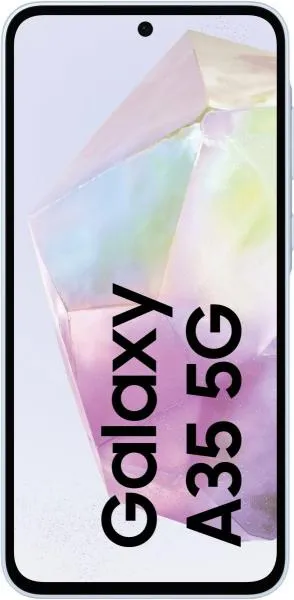
Motorola Moto G53 vs. Samsung Galaxy A35: A Detailed Comparison
Let's dive deep into a comparative analysis of the Motorola Moto G53 and the Samsung Galaxy A35, dissecting their technical specifications and translating them into real-world implications for you.
1. Specifications Breakdown
| Feature | Motorola Moto G53 | Samsung Galaxy A35 | Real-World Implications |
|---|---|---|---|
| Design | |||
| Dimensions (mm) | 162.7 x 74.7 x 8.2 | 161.7 x 78 x 8.2 | A35 is slightly wider, implying a potentially larger screen area. Negligible difference in overall size and feel. |
| Weight (g) | 183 | 209 | G53 is noticeably lighter, contributing to better one-handed usability and reduced fatigue during extended use. |
| Display | |||
| Display Type | IPS LCD, 120Hz | Super AMOLED, 120Hz | A35 boasts a superior Super AMOLED display with vibrant colors, deeper blacks, and potentially better power efficiency. G53 has a faster refresh rate. |
| Resolution | 720 x 1600 | 1080 x 2340 | A35 offers significantly sharper visuals due to its Full HD+ resolution, resulting in crisper text, images, and videos. |
| PPI Density | 270 | 390 | Higher pixel density on the A35 translates to a noticeably sharper and more detailed display. |
| Performance | |||
| Chipset | Snapdragon 480+ 5G | Exynos 1380 5G | A35's Exynos 1380, built on a 5nm process, promises significantly better performance and power efficiency compared to the Snapdragon 480+. |
| CPU | Octa-core (2.2 GHz) | Octa-core (2.4 GHz) | A35's higher clock speed suggests better performance in demanding tasks and multitasking. |
| RAM | 4/6/8GB | 6/8GB | Both offer ample RAM for smooth multitasking, though the A35's configurations generally start higher. |
| Camera | |||
| Main Camera | 50MP | 50MP | Similar resolution, but the A35 utilizes a larger sensor (GN8) with Optical Image Stabilization (OIS), potentially delivering superior image quality. |
| Video Recording | 1080p@30fps | 4K@30fps | A35 allows for much higher resolution video recording. |
| Battery Life | |||
| Battery Capacity | 5000 mAh | 5000 mAh | Similar battery capacities suggest comparable battery life, although real-world usage will depend on software optimization and display technology. |
2. Key Insights
- Display: The A35's Super AMOLED display is a clear winner, offering richer colors and deeper blacks. While both phones have a 120Hz refresh rate, the A35's superior resolution provides a sharper, more detailed viewing experience.
- Performance: The A35's Exynos 1380 significantly outperforms the G53's Snapdragon 480+ in processing power and efficiency. This translates to smoother multitasking, faster app loading, and better gaming performance on the A35.
- Camera: Both have 50MP main cameras, but the A35 benefits from OIS, enabling sharper images, especially in low-light conditions. Furthermore, the A35's ability to record 4K video is a significant advantage. The inclusion of a wider range of lenses also makes the A35 more versatile.
- Value: The Moto G53 positions itself as a budget-friendly option, while the A35 offers more premium features at a mid-range price.
3. User Profiles and Recommendations
- Moto G53: Best suited for budget-conscious users who prioritize basic functionality, 5G connectivity, and a lightweight design. Ideal for casual use, web browsing, social media, and light gaming.
- Samsung Galaxy A35: Ideal for users seeking a well-rounded experience with a vibrant display, strong performance, a versatile camera system, and the latest Android features. Great for multimedia consumption, mobile gaming, and photography enthusiasts.
4. Buying Decision Framework
- What is your budget? If price is a primary concern, the G53 is the more affordable choice.
- What are your performance needs? For demanding tasks and gaming, the A35's superior processor is crucial.
- How important is display quality? If you value a vibrant and sharp screen, the A35's Super AMOLED display is the better option.
My Choice: I would choose the Samsung Galaxy A35. While the Moto G53 offers excellent value for its price, the A35's superior display, significantly faster processor, more capable camera system, and longer software support make it a more compelling device for my needs. I prioritize a smooth user experience, high-quality visuals, and the ability to capture great photos and videos. The A35 delivers on all these fronts, justifying the higher price point. The jump to 4k video recording is substantial, and while I appreciate the lighter weight of the G53, the overall performance difference is too significant to ignore.
