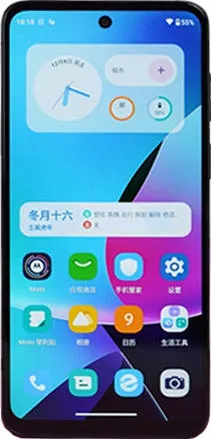
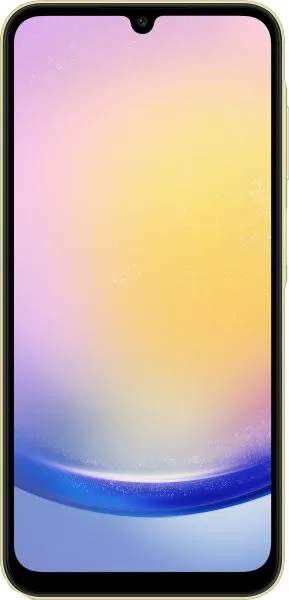
Let's dive into a comparative analysis of the Motorola Moto G53 and the Samsung Galaxy A15 5G, dissecting their specifications and translating them into real-world implications for you.
1. Specifications Breakdown
| Feature | Motorola Moto G53 | Samsung Galaxy A15 5G | Real-World Implications |
|---|---|---|---|
| Design | |||
| Dimensions (mm) | 162.7 x 74.7 x 8.2 | 160.1 x 76.8 x 8.4 | A15 slightly shorter and wider, negligible difference in hand feel. |
| Weight (g) | 183 | 200 | G53 noticeably lighter, reducing hand fatigue during extended use. |
| Display | |||
| Type | IPS LCD | Super AMOLED | A15 offers richer colors, deeper blacks, and better contrast, enhancing media consumption. |
| Size | 6.5" | 6.5" | Identical screen sizes. |
| Resolution | 720 x 1600 | 1080 x 2340 | A15 significantly sharper due to higher resolution, resulting in clearer text and images. |
| Refresh Rate | 120Hz | 90Hz | G53 smoother scrolling and animations, though A15's AMOLED compensates somewhat in perceived fluidity. |
| Performance | |||
| Chipset | Snapdragon 480+ 5G | Dimensity 6100+ | A15 significantly more powerful, enabling smoother multitasking and better gaming performance. |
| CPU | Octa-core (2x2.2 GHz Kryo 460 & 6x1.8 GHz Kryo 460) | Octa-core (2x2.2 GHz Cortex-A76 & 6x2.0 GHz Cortex-A55) | A15's CPU architecture provides a performance advantage in demanding tasks. |
| GPU | Adreno 619 | Mali-G57 MC2 | A15 boasts superior graphics processing, beneficial for gaming and visually intensive applications. |
| RAM | 4/6/8GB | 4/6/8GB | RAM parity; performance difference mainly attributed to chipset and CPU. |
| Camera | |||
| Main Camera | 50MP | 50MP | Comparable main camera resolution. Real-world image quality will depend on sensor and processing. |
| Selfie Camera | 8MP | 13MP | A15 boasts a higher resolution selfie camera for potentially better self-portraits. |
| Battery Life | |||
| Capacity | 5000mAh | 5000mAh | Identical battery capacities; actual battery life depends on usage and optimization. |
| OS | Android 13 | Android 14 | A15 ships with a newer Android version, offering potential feature and security advantages. |
2. Key Insights
The Samsung Galaxy A15 5G emerges as the more powerful and feature-rich device. Its Dimensity 6100+ chipset, higher resolution Super AMOLED display, and better selfie camera provide a noticeable advantage in performance, visual quality, and front-facing photography. The 90Hz refresh rate, while lower than the G53's 120Hz, is still quite smooth, especially on an AMOLED panel.
The Motorola Moto G53's strengths lie in its lighter weight and 120Hz refresh rate, making it feel more agile in hand and providing ultra-smooth scrolling. However, its lower resolution display and less powerful processor are significant trade-offs.
3. User Profiles and Recommendations
Moto G53: Best suited for budget-conscious users who prioritize a smooth display and lightweight design for everyday tasks like browsing, social media, and casual gaming. It's a solid option for those seeking a comfortable, responsive phone without needing top-tier performance.
Samsung A15 5G: Ideal for users who demand better performance for multitasking, gaming, and media consumption. The superior display and more capable camera system make it a well-rounded device for a broader range of users.
4. Buying Decision Framework
- What is your budget? Both phones fall in the mid-range, but specific pricing variations may exist.
- What are your primary use cases? For casual use, the G53 is sufficient. For more demanding tasks, the A15 is preferable.
- Which features matter most? Prioritize display quality and performance? Choose the A15. Prioritize a smooth display and lightweight feel? Choose the G53.
My Choice: Samsung Galaxy A15 5G
If I were choosing between these two, I'd opt for the Samsung Galaxy A15 5G. While the Moto G53 offers a compelling lightweight design and a high refresh rate screen, the A15's superior performance, vibrant Super AMOLED display, and more capable camera system are decisive factors for me. As a tech journalist who often pushes devices to their limits, I value the headroom provided by the A15's more powerful chipset and appreciate the richer visuals of the AMOLED screen. The slightly heavier weight is a minor trade-off for the significant gains in overall performance and user experience. The newer Android OS and longer software update support expected from Samsung also contribute to its long-term value proposition.
