Motorola Moto G53 vs. Realme C53: A Comparative Analysis
The mid-range smartphone market is fiercely competitive, with manufacturers vying to offer the best blend of features and affordability. Today, we'll dissect two contenders: the Motorola Moto G53 and the Realme C53. We'll delve beyond the spec sheets to uncover what these numbers truly mean for your daily usage.
1. Specifications Breakdown
| Feature | Motorola Moto G53 | Realme C53 | Real-World Implications |
|---|---|---|---|
| Design | |||
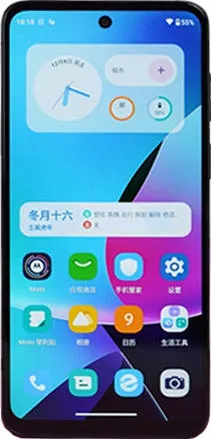
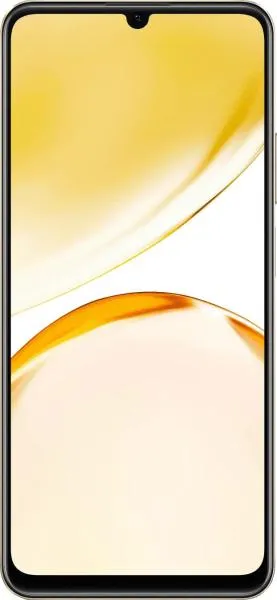
| Dimensions (mm) | 162.7 x 74.7 x 8.2 | 167.3 x 76.7 x 7.5 | Moto G53 is slightly smaller and may feel more comfortable in hand. |
| Weight (g) | 183 | 182 | Negligible difference in weight. |
| Display | |||
| Size (inches) | 6.5 | 6.74 | Realme C53 offers a larger screen for more immersive content consumption. |
| Resolution | 720 x 1600 | 1080 x 2400 | Realme C53 boasts significantly sharper visuals due to higher resolution. |
| Refresh Rate (Hz) | 120 | 90 | Moto G53's higher refresh rate delivers smoother scrolling and animations. |
| Display Type | IPS LCD | IPS LCD | Both offer good color reproduction and viewing angles, typical of IPS LCDs. |
| Pixel Density (PPI) | 270 | 390 | Realme C53's higher pixel density results in noticeably sharper text and images. |
| Performance | |||
| Chipset | Snapdragon 480+ 5G | Unisoc Tiger T612 | Moto G53's Snapdragon offers better performance and 5G connectivity, crucial for future-proofing. |
| CPU | Octa-core (2x2.2 GHz & 6x1.8 GHz) | Octa-core (2x1.8 GHz & 6x1.8 GHz) | Moto G53 has a slight edge in processing power due to higher clock speeds on performance cores. |
| GPU | Adreno 619 | Mali-G57 | Adreno 619 generally provides a smoother gaming experience compared to Mali-G57. |
| RAM | 4/6/8GB (Variant Dependent) | 6/8GB (Variant Dependent) | Both offer ample RAM for multitasking, though specific configurations vary. |
| Camera | |||
| Rear Camera | 50MP + 2MP Macro | 50MP + 0.3MP Depth | Both have 50MP primary sensors, but Moto G53’s macro lens is likely more useful than Realme C53’s depth sensor. |
| Front Camera | 8MP | 8MP | Similar front-facing cameras. |
| Battery Life | |||
| Capacity (mAh) | 5000 | 5000 | Both offer large batteries, likely providing all-day battery life. |
2. Key Insights
The Moto G53 shines in performance and connectivity, thanks to the Snapdragon 480+ 5G chipset. This translates to faster app loading, smoother multitasking, and access to the latest cellular networks. Its 120Hz display also provides a noticeably smoother user experience. However, the lower resolution screen is a clear disadvantage.
The Realme C53 excels in display quality, with its sharper 1080p resolution. This makes media consumption more enjoyable. While its Unisoc processor is capable, it lags behind the Snapdragon in raw performance and lacks 5G. The larger display also provides more screen real estate for productivity and entertainment.
3. User Profiles and Recommendations
Moto G53: Ideal for users who prioritize performance, future-proof 5G connectivity, and smooth display refresh rates. Gamers and those who heavily multitask will appreciate the Snapdragon chipset.
Realme C53: Best suited for users who value a large, high-resolution display for media consumption and casual gaming. Budget-conscious buyers who don't need 5G will find this phone attractive.
4. Buying Decision Framework
- Is 5G connectivity a must-have? If yes, the Moto G53 is the clear winner.
- Do you prioritize display sharpness or smoothness? Sharpness: Realme C53; Smoothness: Moto G53.
- What's your budget and desired storage? Consider the available RAM and storage options for each phone within your price range.
My Choice: Motorola Moto G53
While the Realme C53's display is tempting, I'd choose the Moto G53. The Snapdragon 480+ 5G offers a significant performance advantage and future-proofs my investment with 5G. The smoother 120Hz refresh rate enhances daily interactions, making the phone feel more responsive. While I sacrifice some display sharpness, the overall user experience offered by the Moto G53's superior performance and connectivity outweighs this drawback for me. I also find the slightly smaller form factor more pocketable.
