Motorola Moto G53 vs. Realme C51: A Detailed Comparison
Let's dive deep into a comparative analysis of the Motorola Moto G53 and the Realme C51, two mid-range smartphones vying for your attention. We'll dissect their specifications, translate them into real-world implications, and ultimately guide you toward the device that best aligns with your needs.
1. Specifications Breakdown
| Feature | Motorola Moto G53 | Realme C51 | Real-World Implications |
|---|---|---|---|
| Design | |||
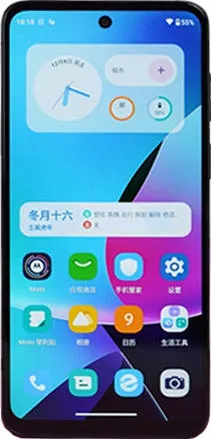
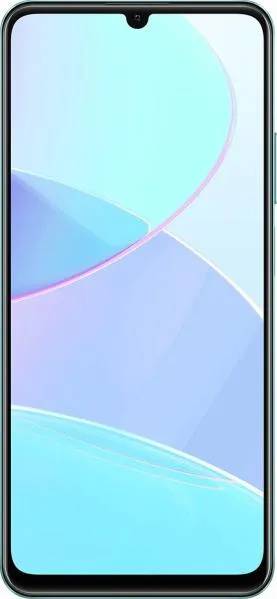
| Dimensions (mm) | 162.7 x 74.7 x 8.2 | 167.2 x 76.7 x 8.0 | Moto G53 is slightly more compact |
| Weight (g) | 183 | 186 | Negligible difference in weight |
| Display | |||
| Size (inches) | 6.5 | 6.74 | C51 offers a larger screen |
| Resolution | 720 x 1600 | 720 x 1600 | Same resolution, but C51 has lower pixel density due to larger size |
| Refresh Rate (Hz) | 120 | 90 | Moto G53 provides smoother scrolling and animations |
| Display Type | IPS LCD | IPS LCD | Similar color accuracy and viewing angles |
| Performance | |||
| Chipset | Snapdragon 480+ 5G | Unisoc Tiger T612 | G53 boasts a more powerful and 5G-enabled chipset |
| CPU | Octa-core (2x2.2 GHz & 6x1.8 GHz) | Octa-core (2x1.8 GHz & 6x1.8 GHz) | G53 offers better performance for demanding tasks |
| GPU | Adreno 619 | Mali-G57 | G53 likely to have a slight edge in gaming |
| RAM (GB) | 4/6/8 (Variant Dependent) | 4/6 (Variant Dependent) | G53 offers a potential 8GB RAM option for enhanced multitasking |
| Camera | |||
| Main Camera (MP) | 50 | 50 | Comparable main camera resolution |
| Selfie Camera (MP) | 8 | 5 | G53 has a higher resolution selfie camera |
| Battery Life | |||
| Capacity (mAh) | 5000 | 5000 | Same battery capacity |
| Charging | Proprietary Fast Charging | 33W SuperVOOC | Realme C51 offers significantly faster charging |
| Other | |||
| NFC | Yes | Yes | Both support contactless payments |
| Operating System | Android 13 | Android 13 | Both run the latest Android version |
2. Key Insights
- Performance: The Snapdragon 480+ 5G in the Moto G53 significantly outperforms the Unisoc Tiger T612 in the Realme C51. This translates to smoother multitasking, faster app loading, and better gaming performance on the G53. The inclusion of 5G future-proofs the device.
- Display: While both phones have the same resolution, the Moto G53's 120Hz refresh rate provides a noticeably smoother user experience compared to the C51's 90Hz. The larger screen size of the C51 might appeal to those who consume a lot of media, but the lower pixel density might result in slightly less sharp visuals.
- Charging: The Realme C51 shines with its significantly faster 33W SuperVOOC charging, allowing for quicker top-ups compared to the Moto G53's proprietary fast charging.
- Camera: While both have a 50MP main camera, real-world performance will depend on image processing. The G53 has a higher resolution front-facing camera, benefiting selfie enthusiasts.
3. User Profiles and Recommendations
- Moto G53: Best suited for users who prioritize performance, a smooth display, and 5G connectivity. Ideal for gaming, multitasking, and future-proofing.
- Realme C51: A good choice for budget-conscious users who value a large screen and incredibly fast charging. Well-suited for media consumption and general daily use.
4. Buying Decision Framework
- Is 5G connectivity a must-have? If yes, the Moto G53 is your only option.
- How important is overall performance and a smooth display? If crucial, the G53's superior processor and 120Hz refresh rate will be significant.
- Is fast charging a priority? If you need your phone to charge quickly, the Realme C51's 33W SuperVOOC charging is a clear winner.
My Choice: I would choose the Motorola Moto G53. While the Realme C51 offers enticing features like a large display and blazing-fast charging, I prioritize long-term performance and a fluid user experience. The Moto G53's more powerful processor, 5G capabilities, and 120Hz display make it a better investment for my needs. The slightly smaller form factor also appeals to me. While the C51's faster charging is tempting, I'm willing to compromise on charging speed for a more well-rounded device that will perform better in the long run. The future-proofing aspect of 5G is also crucial in my decision.
