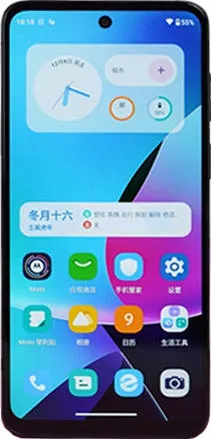
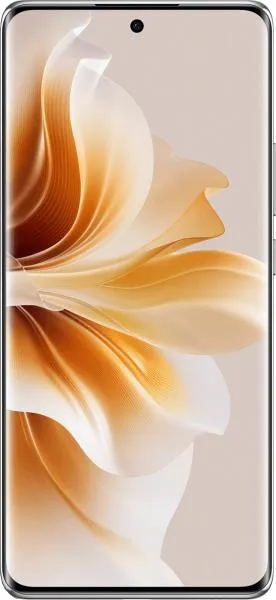
Let's dive into a comparative analysis of the Motorola Moto G53 and the Oppo Reno11, dissecting their specifications and uncovering what they truly offer the everyday user.
1. Specifications Breakdown
| Feature | Motorola Moto G53 | Oppo Reno11 | Real-World Implications |
|---|---|---|---|
| Design | |||
| Dimensions (mm) | 162.7 x 74.7 x 8.2 | 162.4 x 74.3 x 7.9 | Reno11 slightly slimmer and lighter, but practically negligible in hand. |
| Weight (g) | 183 | 182 | Virtually identical weight; both comfortable for one-handed use. |
| Display | |||
| Type | IPS LCD, 120Hz | AMOLED, 120Hz | Reno11's AMOLED offers richer colors, deeper blacks, and better power efficiency. G53 has a faster refresh rate in some situations, thanks to its less demanding resolution. |
| Size | 6.5" | 6.7" | Reno11 provides slightly more screen real estate. |
| Resolution | 720 x 1600 | 1080 x 2412 | Reno11 significantly sharper and more detailed; G53's resolution is noticeably lower. |
| Performance | |||
| Chipset | Snapdragon 480+ 5G | Dimensity 7050 | Reno11's Dimensity 7050 boasts significantly better CPU and GPU performance, leading to smoother multitasking and gaming. |
| CPU | Octa-core (2x2.2 GHz & 6x1.8 GHz) | Octa-core (2x2.6 GHz & 6x2.0 GHz) | Reno11 offers faster processing speeds for demanding tasks. |
| RAM | 4/6/8GB | 12GB | Reno11's 12GB RAM ensures seamless multitasking and app switching. G53 RAM configurations are a big limitation in comparison. |
| Camera | |||
| Rear Camera | 50MP + 2MP | 50MP + 8MP + 32MP | Reno11 features a triple camera system with a dedicated telephoto lens, offering greater versatility. |
| Front Camera | 8MP | 32MP | Reno11's higher resolution selfie camera captures more detail. |
| Video | 1080p@30fps | 4K@30fps | Reno11 capable of recording higher resolution video. |
| Battery Life | |||
| Capacity | 5000 mAh | 5000 mAh | Similar battery capacities; real-world usage will depend on software optimization and individual use patterns. |
2. Key Insights
The Oppo Reno11 is the clear winner in terms of overall performance, display quality, and camera versatility. Its AMOLED display, powerful Dimensity 7050 chipset with a huge 12GB of RAM, and triple-lens camera system place it in a higher tier. The Reno11 is designed for users who demand a smooth, responsive experience with excellent multimedia capabilities.
The Moto G53 positions itself as a more budget-friendly option. While it offers 5G connectivity and a decent battery, its lower resolution display, less powerful processor, and basic camera setup reveal its cost-conscious nature. The G53 is best suited for users who prioritize affordability and essential smartphone functionalities over top-tier performance.
3. User Profiles and Recommendations
Moto G53: Best for budget-conscious users, light smartphone users who primarily use their phones for calling, texting, social media browsing, and less demanding tasks.
Oppo Reno11: Ideal for users who demand a premium experience, including mobile gamers, content creators, photography enthusiasts, and those who value a vibrant display and smooth multitasking.
4. Buying Decision Framework
- What is your budget? The Moto G53 is significantly more affordable.
- What are your primary smartphone uses? For basic tasks, the G53 suffices; for demanding tasks and multimedia consumption, the Reno11 excels.
- How important is display quality and camera performance? The Reno11 offers a substantial upgrade in both areas.
My Choice: Oppo Reno11
If I were choosing between these two phones, I would opt for the Oppo Reno11. While the Moto G53 offers excellent value for its price, the Reno11's superior display, significantly more powerful performance, versatile camera system, and future-proof 12GB of RAM provide a far more compelling overall package. The price difference is justifiable considering the significant leap in user experience. I appreciate a smooth, responsive device with a vibrant display and the capability to handle demanding tasks without a hiccup, making the Reno11 the clear winner for me. The G53's lower resolution screen and less powerful chipset would likely lead to frustrations in the long run, especially as apps become more demanding.
