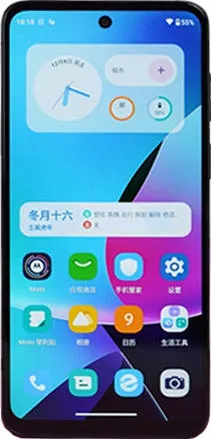
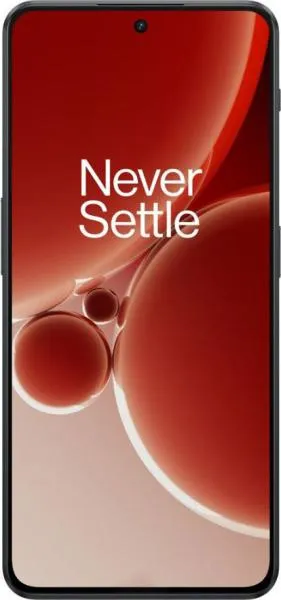
Motorola Moto G53 vs. OnePlus Nord 3: A Deep Dive
Let's cut through the marketing jargon and dissect the Moto G53 and OnePlus Nord 3, focusing on what truly matters: how these phones perform in the real world.
1. Specifications Breakdown
| Feature | Motorola Moto G53 | OnePlus Nord 3 | Real-World Implications |
|---|---|---|---|
| Design | |||
| Dimensions (mm) | 162.7 x 74.7 x 8.2 | 162 x 75.1 x 8.2 | Nord 3 slightly wider, negligible difference in overall size. |
| Weight (g) | 183 | 193.5 | G53 noticeably lighter, reducing hand fatigue during extended use. |
| Display | |||
| Type | IPS LCD, 120Hz | AMOLED, 120Hz | Nord 3 boasts richer colors, deeper blacks, and better contrast with its AMOLED display. |
| Size | 6.5" | 6.74" | Nord 3 offers a larger screen for more immersive content consumption. |
| Resolution | 720 x 1600 | 1240 x 2772 | Nord 3 significantly sharper and more detailed, crucial for media and gaming. |
| PPI | 270 | 451 | Nord 3's higher pixel density results in crisper text and images. |
| Performance | |||
| Chipset | Snapdragon 480+ 5G | Dimensity 9000 | Nord 3 vastly more powerful, enabling smoother multitasking, gaming, and demanding applications. |
| CPU | Octa-core (2.2 GHz) | Octa-core (3.05 GHz) | Nord 3's superior CPU architecture and clock speed deliver significantly faster performance. |
| GPU | Adreno 619 | Mali-G710 MC10 | Nord 3 provides a substantial leap in graphics performance for demanding games and applications. |
| RAM | 4/6/8GB | 8/16GB | Nord 3 offers more RAM in its base configuration, enhancing multitasking capabilities. |
| Camera | |||
| Main Camera | 50MP | 50MP | Both have the same megapixel count, but sensor quality and image processing will determine the winner. |
| Video | 1080p@30fps | 4K@60fps | Nord 3 capable of recording much higher resolution video at a smoother frame rate. |
| Battery Life | |||
| Capacity | 5000 mAh | 5000 mAh | Similar battery capacities suggest comparable longevity, but real-world usage will vary. |
2. Key Insights
The OnePlus Nord 3 emerges as the clear winner in terms of performance, display, and camera capabilities. Its Dimensity 9000 chipset, coupled with a vibrant AMOLED display and higher resolution camera, delivers a premium user experience. The Nord 3 is built for demanding users who prioritize speed, visual fidelity, and content creation.
The Moto G53, however, shines in its affordability and lightweight design. It's a practical choice for users who prioritize battery life, basic functionality, and a comfortable grip. The lower resolution display and less powerful processor are compromises that cater to a budget-conscious audience.
3. User Profiles and Recommendations
Moto G53: Ideal for budget-conscious users, casual users, or those seeking a lightweight, easy-to-handle device for basic tasks like calling, texting, and web browsing.
OnePlus Nord 3: Best suited for power users, gamers, content creators, and those who demand a premium smartphone experience with a top-tier display, performance, and camera.
4. Buying Decision Framework
- What's your budget? The G53 is significantly more affordable.
- What are your primary use cases? For basic tasks, the G53 suffices; for demanding applications and gaming, the Nord 3 excels.
- Do you prioritize display quality and performance? The Nord 3's AMOLED display and powerful processor offer a superior experience.
My Choice: OnePlus Nord 3
While the Moto G53 offers excellent value for its price, I would choose the OnePlus Nord 3. As a tech enthusiast who values a fluid user experience, the Nord 3's superior performance, stunning AMOLED display, and versatile camera system are compelling. The jump in processing power alone makes a significant difference in daily use, future-proofing the device for demanding applications and ensuring a smooth experience for years to come. While the price premium exists, the long-term benefits in terms of performance and visual quality justify the investment for me. The G53 is a solid budget contender, but the Nord 3 delivers a truly flagship-level experience in the mid-range segment.
