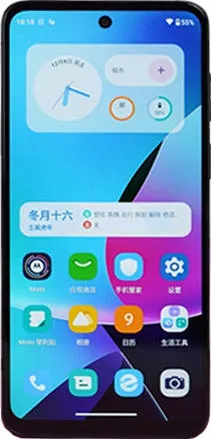
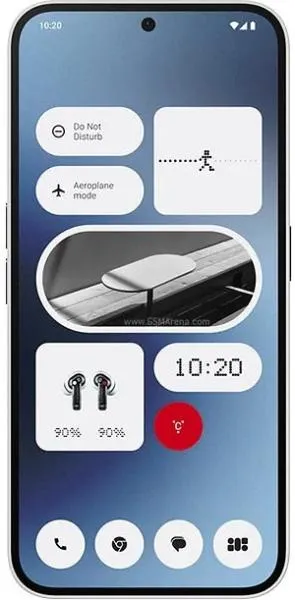
Motorola Moto G53 vs. Nothing Phone (2a): A Deep Dive
Let's dissect the Motorola Moto G53 and the Nothing Phone (2a), cutting through the marketing jargon to uncover what truly matters: how these phones perform in the real world.
1. Specifications Breakdown
| Feature | Motorola Moto G53 | Nothing Phone (2a) | Real-World Implications |
|---|---|---|---|
| Design | |||
| Dimensions (mm) | 162.7 x 74.7 x 8.2 | 161.7 x 76.3 x 8.6 | (2a) slightly larger, but negligible difference in hand. |
| Weight (g) | 183 | 190 | (2a) slightly heavier, but both comfortable for extended use. |
| Display | |||
| Type | IPS LCD, 120Hz | AMOLED, 120Hz | (2a) offers vibrant colors, deeper blacks, and superior contrast. |
| Resolution | 720 x 1600 | 1080 x 2412 | (2a) significantly sharper, more detailed visuals. |
| Brightness (nits) | N/A | 1300 (peak) | (2a) excels in outdoor visibility. |
| HDR | No | HDR10+ | (2a) supports HDR content for a more dynamic viewing experience. |
| Performance | |||
| Chipset | Snapdragon 480+ 5G | Dimensity 7200 Pro | (2a) drastically faster CPU and GPU, smoother multitasking. |
| RAM | 4/6/8GB | 8/12GB | (2a) offers more RAM for demanding apps and future-proofing. |
| OS | Android 13 | Android 14 | (2a) newer OS, longer software support. |
| Camera | |||
| Main Sensor | 50MP | 50MP (Samsung GN9) | (2a) larger sensor, better low-light performance. |
| Ultrawide | No | 50MP | (2a) offers ultrawide perspective for creative shots. |
| Selfie | 8MP | 32MP | (2a) higher resolution selfie camera. |
| Video | 1080p@30fps | 4K@30fps | (2a) capable of recording higher resolution video. |
| Battery Life | |||
| Capacity | 5000mAh | 5000mAh | Similar battery capacity, but real-world usage will vary. |
2. Key Insights
The Nothing Phone (2a) is a clear winner in terms of performance, display, and camera capabilities. Its powerful Dimensity 7200 Pro chipset, coupled with ample RAM, ensures a smooth and responsive experience even with demanding tasks. The vibrant AMOLED display with HDR10+ support delivers a visually stunning experience. The advanced camera system, featuring a larger main sensor and an ultrawide lens, offers greater versatility and superior image quality.
The Motorola Moto G53, however, targets a more budget-conscious audience. While its Snapdragon 480+ 5G offers decent performance for everyday use, it pales in comparison to the (2a). The lower resolution IPS LCD display lacks the vibrancy and contrast of the (2a)'s AMOLED screen. The camera system, while functional, is more basic and lacks the advanced features of the (2a).
3. User Profiles and Recommendations
Moto G53: Ideal for users seeking a basic, affordable 5G phone for calling, texting, web browsing, and light media consumption. Students, seniors, or anyone on a tight budget would find this phone suitable.
Nothing Phone (2a): Best suited for users who prioritize performance, a premium display, and a capable camera system. Gamers, content creators, and mobile photography enthusiasts would appreciate the (2a)'s capabilities.
4. Buying Decision Framework
- What is your budget? The Moto G53 is significantly more affordable.
- What are your primary use cases? Basic tasks vs. demanding apps and media creation.
- How important is display and camera quality? The Nothing Phone (2a) offers a substantial upgrade in both areas.
Scenario: A student with a limited budget primarily needing a phone for communication and online classes would be well-served by the Moto G53. A professional photographer, however, would require the superior camera and processing power of the Nothing Phone (2a).
My Choice: The Nothing Phone (2a)
While the Moto G53 offers good value for its price, I would choose the Nothing Phone (2a). As a tech enthusiast who values a smooth, responsive user experience, a vibrant display, and a capable camera, the (2a)'s superior hardware and software make it a clear winner. The long-term software support promised by Nothing, extending to Android 17, also provides peace of mind. Though more expensive, the (2a) offers a significantly better overall experience, making it a worthwhile investment for me. The difference in chipset performance alone is a game-changer for multitasking and future-proofing.
