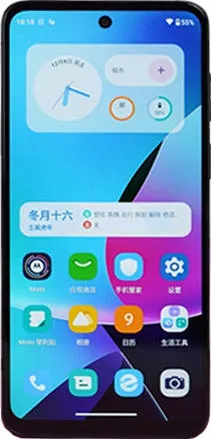
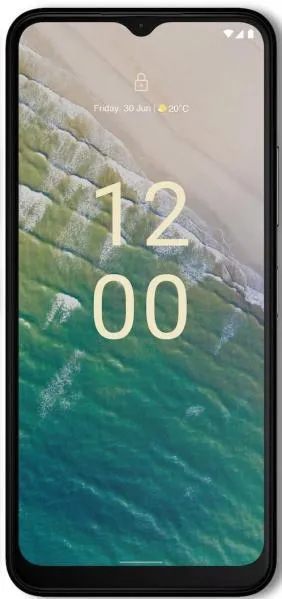
Motorola Moto G53 vs. Nokia C32: A Real-World Comparison
Let's dive deep into a comparative analysis of the Motorola Moto G53 and the Nokia C32, cutting through the spec sheet jargon to understand what these phones offer in practical, everyday use.
1. Specifications Breakdown
| Feature | Motorola Moto G53 | Nokia C32 | Real-World Implications |
|---|---|---|---|
| Design | |||
| Dimensions (mm) | 162.7 x 74.7 x 8.2 | 164.6 x 75.9 x 8.6 | Moto G53 is slightly smaller and thinner. |
| Weight (g) | 183 | 199.4 | Moto G53 feels noticeably lighter in hand. |
| Display | |||
| Size (inches) | 6.5 | 6.5 | Identical screen real estate. |
| Resolution | 720 x 1600 | 720 x 1600 | Same resolution, but potential difference in sharpness due to panel quality (not specified). |
| Refresh Rate (Hz) | 120 | Unspecified | Moto G53's 120Hz delivers smoother scrolling and animations. |
| Display Type | IPS LCD | IPS LCD | Expect similar color reproduction and viewing angles, but potential differences in brightness and contrast. |
| Performance | |||
| Chipset | Snapdragon 480+ 5G | Unisoc SC9863A1 | Moto G53 boasts significantly better CPU and GPU performance, leading to faster app loading, smoother multitasking, and better gaming capabilities. |
| CPU | Octa-core (2x2.2 GHz & 6x1.8 GHz) | Octa-core (4x1.6 GHz & 4x1.2 GHz) | Moto G53's higher clock speeds translate to noticeably quicker performance. |
| RAM | 4/6/8GB | 3/4GB | More RAM options on the Moto G53 enable better multitasking. |
| Camera | |||
| Main Camera | 50MP | 50MP | Megapixel count is the same, but image quality will depend heavily on sensor and processing (details lacking for both). |
| Selfie Camera | 8MP | 8MP | Similar front-facing camera resolution. |
| Battery Life | |||
| Capacity (mAh) | 5000 | 5000 | Similar battery capacity suggests comparable longevity, but real-world usage will vary based on software optimization and hardware efficiency. |
| Connectivity | |||
| 5G | Yes | No | Moto G53 offers future-proof 5G connectivity. |
| NFC | Yes | No | Moto G53 allows for contactless payments and data transfer. |
2. Key Insights
- Performance: The Moto G53's Snapdragon 480+ 5G significantly outperforms the Nokia C32's Unisoc SC9863A1. This translates to a noticeably smoother and more responsive user experience, particularly in demanding tasks like gaming or multitasking.
- Display: While both phones feature a 6.5-inch IPS LCD, the Moto G53's 120Hz refresh rate provides a tangible advantage in fluidity. Scrolling and animations will appear noticeably smoother on the Moto G53.
- Future-Proofing: The Moto G53's inclusion of 5G ensures faster download speeds and wider network coverage as 5G infrastructure continues to expand. NFC support also adds convenience for mobile payments and device pairing.
- Price-to-Performance: The Moto G53, while positioned in a "medium price" range, offers a substantial performance leap over the "low price" Nokia C32. This makes it a strong contender in terms of value.
3. User Profiles and Recommendations
- Moto G53: Ideal for users who prioritize performance, smooth display, future-proof connectivity (5G), and contactless payments (NFC). This phone suits those who engage in moderate gaming, multitasking, and media consumption.
- Nokia C32: Best suited for budget-conscious users who primarily use their phone for basic tasks like calling, texting, browsing, and social media. It's a good option for those seeking a simple, reliable device without demanding performance needs.
4. Buying Decision Framework
What is your budget? If you're extremely price-sensitive, the Nokia C32 is the more affordable option. However, if you can stretch your budget, the Moto G53's superior performance and features offer significantly better value.
How important is performance to you? If you value a smooth, responsive user experience and engage in tasks that require more processing power, the Moto G53 is the clear winner.
Do you need 5G and NFC? If future-proof connectivity and contactless payments are essential, the Moto G53 is the only option.
My Choice: I would choose the Motorola Moto G53. While the Nokia C32 offers a compelling price, the Moto G53's significant performance advantage, smoother display, and inclusion of 5G and NFC make it a far more compelling device for the long term. The difference in price is justified by the substantial upgrade in user experience and future-proof capabilities. For me, the fluidity of a 120Hz display alone drastically improves daily interaction. Coupled with the significantly faster processor, the Moto G53 provides a much more enjoyable and frustration-free user experience.
