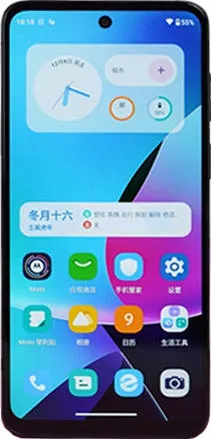
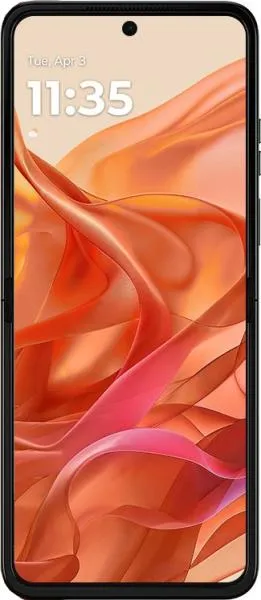
Let's dive into a comparative analysis of the Motorola Moto G53 and the Motorola Razr 50, dissecting their specifications and uncovering what they truly offer in real-world usage.
1. Specifications Breakdown
| Feature | Motorola Moto G53 | Motorola Razr 50 | Real-World Implications |
|---|---|---|---|
| Design | |||
| Dimensions (mm) | 162.7 x 74.7 x 8.2 | 171.3 x 74 x 7.3 | Razr 50 is taller and slimmer when unfolded, more pocketable when folded. |
| Weight (g) | 183 | 188.4 | Negligible weight difference in daily use. |
| Foldable | No | Yes | Razr 50 offers a compact folded form factor and a large screen when unfolded. |
| Display | |||
| Size (inches) | 6.5 | 6.9 | Razr 50 boasts a larger, more immersive display. |
| Resolution (px) | 720 x 1600 | 1080 x 2640 | Razr 50 delivers significantly sharper visuals and more screen real estate. |
| Type | IPS LCD | Foldable LTPO AMOLED | Razr 50's AMOLED offers vibrant colors, deeper blacks, and potential for better battery life. |
| Refresh Rate (Hz) | 120 | 120 | Both phones offer smooth scrolling and animations. |
| Performance | |||
| Chipset | Snapdragon 480+ 5G | Dimensity 7300X | Razr 50's chip offers a substantial performance leap for demanding tasks and gaming. |
| CPU | Octa-core | Octa-core | Razr 50's CPU architecture is more powerful and efficient. |
| RAM (GB) | 4/6/8 | 8/12 | Razr 50 offers more RAM for smoother multitasking. |
| Camera | |||
| Main Camera (MP) | 50 | 50 | Comparable main camera resolution, but image quality likely differs due to sensor and processing. |
| Selfie Camera (MP) | 8 | 32 | Razr 50 has a much higher resolution selfie camera. |
| Battery Life | |||
| Capacity (mAh) | 5000 | 4200 | Moto G53 has a larger battery capacity, potentially offering longer battery life despite the less efficient display technology. |
2. Key Insights
- Performance: The Razr 50 significantly outperforms the Moto G53 thanks to its more powerful Dimensity 7300X chipset and ample RAM. This translates to smoother multitasking, faster app loading, and a more enjoyable gaming experience.
- Display: While both phones feature a 120Hz refresh rate, the Razr 50's foldable LTPO AMOLED display provides superior image quality with vibrant colors, deeper blacks, and higher resolution. The G53's LCD is functional but lacks the visual punch of the Razr 50.
- Form Factor: The Razr 50's foldable design is its defining feature. The compact folded size enhances portability, while the unfolded 6.9-inch screen offers an immersive experience. The G53 is a traditional slab-style phone, prioritizing affordability and simplicity.
- Battery: The G53 boasts a larger battery, but the Razr 50's more power-efficient AMOLED display and newer chipset might offset this difference in real-world usage. This is an area where hands-on testing would be crucial to determine true battery life.
3. User Profiles and Recommendations
- Moto G53: Best suited for budget-conscious users who prioritize battery life and reliable performance for everyday tasks like calling, texting, web browsing, and social media.
- Razr 50: Ideal for users who value cutting-edge technology, a premium display, strong performance, and the unique foldable form factor. It's a good choice for those who consume media, play mobile games, or demand a device that makes a statement.
4. Buying Decision Framework
- What's your budget? The G53 is significantly more affordable.
- Do you prioritize performance and a stunning display? If yes, the Razr 50 is the clear winner.
- Is a foldable design important to you? This is the defining differentiator. If the compact folded size and large unfolded screen appeal to you, then the Razr 50 is your choice.
My Choice
If I were choosing between these two phones, I would opt for the Motorola Razr 50. While the Moto G53 offers excellent value for its price, I find the Razr 50's combination of a cutting-edge foldable design, superior performance, and a stunning AMOLED display incredibly compelling. The compact form factor when folded and the larger screen when unfolded offer a unique user experience that aligns with my appreciation for innovative technology. I'm willing to accept the trade-offs of a slightly smaller battery and higher price for the overall premium experience the Razr 50 delivers.
