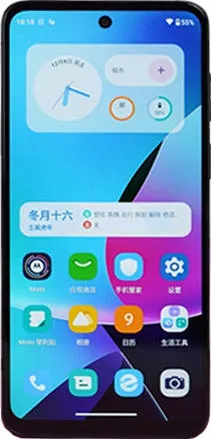
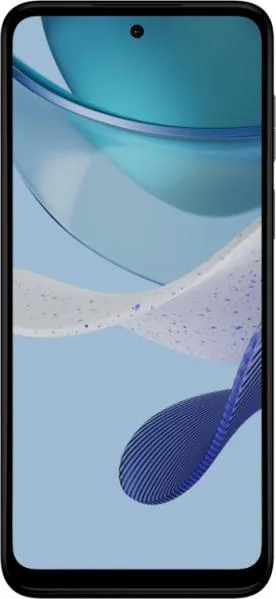
Motorola Moto G53 vs. Motorola Moto G (2023): A Deep Dive
Hello fellow tech explorers! Alex Griffin here, ready to dissect the Motorola Moto G53 and the Moto G (2023). Both phones aim for the sweet spot of affordability and functionality, but let's uncover the nuances that set them apart. We'll delve into the specs, translate them into real-world experiences, and help you decide which phone fits your needs.
1. Specifications Breakdown
| Feature | Motorola Moto G53 | Motorola Moto G (2023) | Real-World Implications |
|---|---|---|---|
| Design | |||
| Dimensions (mm) | 162.7 x 74.7 x 8.2 | 164 x 75 x 8.4 | G53 is slightly smaller and thinner. (2023) might feel a bit bulkier in hand. |
| Weight (g) | 183 | 189 | Negligible weight difference in real-world usage. |
| Display | |||
| Size (inches) | 6.5 | 6.5 | Identical screen sizes offer similar media consumption experiences. |
| Resolution (px) | 720 x 1600 | 720 x 1600 | Same resolution; expect similar sharpness. Not the sharpest, but acceptable at this price point. |
| Refresh Rate (Hz) | 120 | 120 | Both offer smooth scrolling and animations thanks to the 120Hz refresh rate. |
| Performance | |||
| Chipset | Snapdragon 480+ 5G | Snapdragon 480+ 5G | Identical chipsets: expect comparable performance for everyday tasks and light gaming. |
| CPU | Octa-core | Octa-core | Similar processing power; day-to-day responsiveness should be comparable. |
| RAM (GB) | 4/6/8 (Variant Dependent) | 4 | G53 offers configurations with more RAM, potentially leading to better multitasking and smoother performance with demanding apps. |
| Camera | |||
| Main Camera (MP) | 50 | 48 | Minor difference in megapixels; image quality will depend more on sensor and processing. |
| Selfie Camera (MP) | 8 | 8 | Identical selfie camera resolution. |
| Battery Life | |||
| Capacity (mAh) | 5000 | 5000 | Same battery capacity; expect similar battery life depending on usage. |
| Other | |||
| NFC | Yes | No | G53 supports contactless payments and data transfer via NFC. A significant advantage for some users. |
2. Key Insights
- Performance Parity: Both phones share the same chipset and CPU, indicating similar performance levels. The G53's advantage in RAM configurations, might make a difference for users who frequently multitask or use demanding applications.
- Display Dilemma: While both boast a 120Hz refresh rate for smooth visuals, the 720p resolution might disappoint users seeking sharper displays. This is a common trade-off at this price point to keep costs down.
- Camera Conundrum: The slight difference in megapixel count between the main cameras is less critical than the underlying sensor and image processing. Real-world image quality comparisons would require hands-on testing.
- NFC: A Notable Difference: The G53's inclusion of NFC is a significant advantage for users who rely on contactless payments or data transfer. This is a feature often missing in budget-friendly phones.
3. User Profiles and Recommendations
- Moto G53: Best suited for users who prioritize NFC functionality, desire various RAM options for potentially smoother performance, and appreciate a slightly more compact design.
- Moto G (2023): A good option for budget-conscious users who primarily need a basic smartphone with a smooth display and long battery life and don't require NFC.
4. Buying Decision Framework
- Is NFC a must-have? If contactless payments are essential, the G53 is the clear winner.
- What's your budget? The Moto G (2023) generally comes at a lower price point, making it appealing for budget-conscious buyers.
- How important is multitasking performance? If you frequently switch between apps or use demanding applications, the G53's higher RAM options might provide a better experience.
My Choice: The Motorola Moto G53
If I were choosing between these two, I'd opt for the Moto G53. While the core performance is similar, the inclusion of NFC is a crucial factor for me. The ability to make contactless payments and easily share data outweighs the minor size and potential price difference. Furthermore, the availability of higher RAM configurations on the G53 provides a buffer for future-proofing and ensuring smoother performance as apps become more demanding. While the display resolution isn't ideal on either phone, it's a compromise I'm willing to make for the added functionality and potential performance boost of the G53.
