Motorola Moto G53 vs. Google Pixel Fold: A Deep Dive
Let's dissect the Motorola Moto G53 and the Google Pixel Fold, two phones targeting different user needs and budgets. This analysis goes beyond the spec sheet, translating technical jargon into real-world implications for you.
1. Specifications Breakdown
| Feature | Motorola Moto G53 | Google Pixel Fold | Real-World Implications |
|---|---|---|---|
| Design | |||
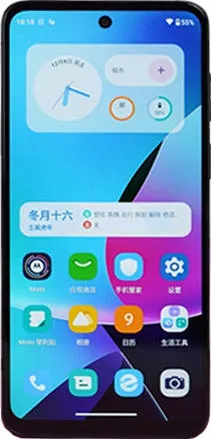
| Dimensions (mm) | 162.7 x 74.7 x 8.2 | 139.7 x 158.7 x 5.8 | Pixel Fold significantly wider due to folding design. Moto G53 more pocketable. |
| Weight (g) | 183 | 283 | Pixel Fold noticeably heavier, impacting one-handed use. |
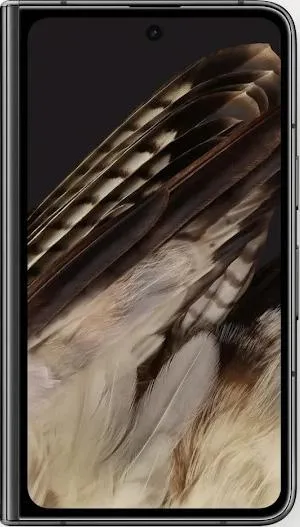
| Foldable | No | Yes | Pixel Fold offers tablet-like experience when unfolded, Moto G53 a traditional smartphone form factor. |
| Display | |||
| Size (inches) | 6.5 | 7.6 (unfolded) 5.8(folded) | Pixel Fold provides significantly larger screen real estate when unfolded, enhancing media consumption and multitasking. |
| Resolution (px) | 720 x 1600 | 1840 x 2208(unfolded) 1080 x 2092(folded) | Pixel Fold boasts much sharper, more detailed visuals. Moto G53's lower resolution noticeable in everyday use. |
| Display Type | IPS LCD, 120Hz | Foldable OLED, 120Hz | Pixel Fold's OLED offers deeper blacks, richer colors, and potentially better power efficiency due to individual pixel illumination. |
| Performance | |||
| Chipset | Snapdragon 480+ 5G | Google Tensor G2 | Tensor G2 significantly more powerful, enabling smoother multitasking, faster app loading, and enhanced AI capabilities. |
| CPU | Octa-core | Octa-core | Tensor G2's core architecture delivers superior performance compared to Snapdragon 480+, especially in demanding tasks. |
| RAM (GB) | 4/6/8 | 12 | Pixel Fold's 12GB RAM ensures effortless multitasking and smooth performance even with numerous apps open. |
| Camera | |||
| Rear Camera | 50MP + 2MP | 48MP + 10.8MP + 10.8MP | Pixel Fold offers a more versatile camera system with telephoto and ultrawide lenses. Google's computational photography enhances image quality. |
| Battery Life | |||
| Capacity (mAh) | 5000 | 4821 | Similar battery capacities. Real-world battery life will depend on usage patterns and the Pixel Fold's larger, higher resolution display. |
2. Key Insights
- Performance: The Pixel Fold is a performance powerhouse thanks to the Tensor G2 chip and ample RAM. The Moto G53 offers decent performance for everyday tasks, but it will struggle with demanding applications or heavy multitasking.
- Display: The Pixel Fold's foldable OLED display is a game-changer, offering a unique user experience with its tablet-like unfolded state. The Moto G53's LCD is functional but lacks the vibrancy and sharpness of the Pixel Fold.
- Camera: Both phones offer capable cameras, but the Pixel Fold's triple-lens system provides more versatility and benefits from Google's renowned computational photography algorithms.
- Price: The Moto G53 is significantly more affordable, making it a budget-friendly option. The Pixel Fold is a premium device with a price tag reflecting its innovative technology.
3. User Profiles and Recommendations
- Moto G53: Ideal for budget-conscious users who prioritize basic smartphone functionality: calling, texting, web browsing, and social media. Not recommended for heavy gamers or power users.
- Pixel Fold: Perfect for early adopters, tech enthusiasts, and users who value a large, high-quality display for multitasking, media consumption, and productivity on the go.
4. Buying Decision Framework
- What's your budget? If price is a major concern, the Moto G53 is the clear choice.
- Do you need a foldable phone? The Pixel Fold's unique form factor offers a compelling experience, but it comes at a premium.
- What are your performance requirements? For demanding tasks and seamless multitasking, the Pixel Fold's superior hardware is essential.
My Choice: As a tech journalist who values innovation and performance, I would choose the Google Pixel Fold. The foldable display opens up exciting possibilities for productivity and entertainment. While the price is high, the cutting-edge technology and unique user experience justify the investment for my needs. The ability to seamlessly transition from a phone to a tablet for tasks like editing documents, watching videos, or reading articles is incredibly appealing. I'm willing to compromise on portability and battery life for the versatility and power the Pixel Fold provides. The Moto G53 is a solid budget option, but it simply doesn't offer the same level of innovation and performance that excites me as a tech enthusiast.
