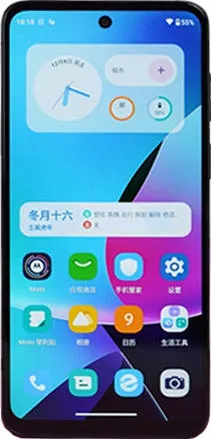
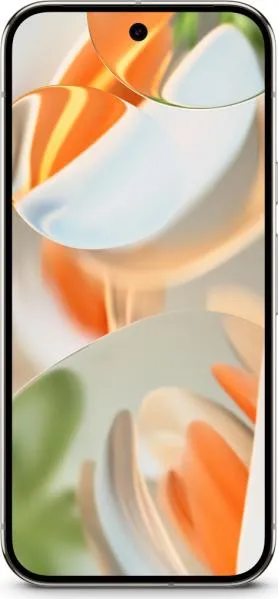
Motorola Moto G53 vs. Google Pixel 9 Pro: A Deep Dive
Let's dissect the Motorola Moto G53 and Google Pixel 9 Pro, going beyond the spec sheet to understand what these phones offer in the real world.
1. Specifications Breakdown
| Feature | Motorola Moto G53 | Google Pixel 9 Pro | Real-World Implications |
|---|---|---|---|
| Design | |||
| Dimensions (mm) | 162.7 x 74.7 x 8.2 | 152.8 x 72 x 8.5 | Pixel 9 Pro is slightly smaller and thinner, potentially more pocketable. |
| Weight (g) | 183 | 199 | G53 is noticeably lighter, reducing hand fatigue during extended use. |
| Build Materials | Plastic | Glass/Aluminum | Pixel 9 Pro offers a more premium feel and likely better durability. |
| Display | |||
| Display Type | IPS LCD, 120Hz | LTPO OLED, 120Hz | Pixel 9 Pro boasts superior contrast, deeper blacks, and potentially higher brightness with its OLED display. |
| Resolution | 720 x 1600 | 1280 x 2856 | Pixel 9 Pro offers significantly sharper visuals and more screen real estate. |
| PPI Density | 270 | 495 | Pixel 9 Pro's display is incredibly crisp and detailed. |
| Refresh Rate | 120Hz | 120Hz | More fluid animations and smoother scrolling on both. |
| Performance | |||
| Chipset | Snapdragon 480+ 5G | Google Tensor G4 | Pixel 9 Pro's Tensor G4 delivers significantly faster processing, especially for AI tasks and demanding apps. |
| CPU | Octa-core (2.2 GHz) | Octa-core (3.1 GHz) | Pixel 9 Pro offers a substantial performance advantage in speed and multitasking. |
| RAM | 4/6/8 GB | 16 GB | Pixel 9 Pro's ample RAM ensures smooth performance even with heavy multitasking. |
| Camera | |||
| Main Camera | 50MP | 50MP | Comparable megapixel count, but Pixel 9 Pro likely excels in image processing and low-light performance. |
| Additional Cameras | 2MP Macro | 48MP Ultrawide, 48MP Telephoto | Pixel 9 Pro offers significantly more versatile camera capabilities. |
| Video Recording | 1080p@30fps | Up to 8K@30fps | Pixel 9 Pro supports much higher video resolution and frame rates. |
| Battery Life | |||
| Capacity | 5000 mAh | 4700 mAh | G53 has a slightly larger battery, but real-world battery life depends on optimization and usage patterns. |
2. Key Insights
- Performance: The Pixel 9 Pro is a clear powerhouse, thanks to the Tensor G4 chip and generous RAM. The Moto G53, with its Snapdragon 480+, targets efficiency for everyday tasks but will struggle with demanding applications or heavy multitasking.
- Display: The Pixel 9 Pro's high-resolution LTPO OLED display offers a vastly superior visual experience compared to the G53's 720p LCD.
- Camera: While both phones have a 50MP main sensor, the Pixel 9 Pro's advanced image processing, superior optics, and versatile lens setup (ultrawide and telephoto) will likely produce significantly better photos and videos.
- Value: The Moto G53 is a budget-friendly option, prioritizing affordability over top-tier specs. The Pixel 9 Pro is a premium flagship, commanding a higher price for its cutting-edge features.
3. User Profiles and Recommendations
- Moto G53: Ideal for budget-conscious users who prioritize basic functionality: calling, texting, web browsing, social media, and casual photography. It's a great option for students, seniors, or anyone seeking a reliable, affordable device.
- Pixel 9 Pro: Perfect for power users, photographers, videographers, and anyone who demands top-tier performance, a stunning display, and a cutting-edge camera system. It's a great option for professionals, gamers, or content creators.
4. Buying Decision Framework
- What's your budget? The G53 is significantly more affordable.
- What are your primary smartphone needs? Basic communication vs. demanding tasks and content creation.
- How important are display quality and camera performance? The Pixel 9 Pro excels in both areas.
My Choice: Google Pixel 9 Pro
While the Moto G53 offers excellent value for its price, I would choose the Google Pixel 9 Pro. As a tech enthusiast and someone who values a premium user experience, the Pixel 9 Pro's superior performance, stunning display, and versatile camera system are compelling. The smooth multitasking enabled by the powerful Tensor G4 and ample RAM, combined with the crisp visuals of the OLED screen and the creative possibilities offered by the camera, aligns perfectly with my needs and how I use a smartphone. The higher price is justified by the significant leap in capabilities and the long-term value offered by its future-proof specifications, including extended OS support.
