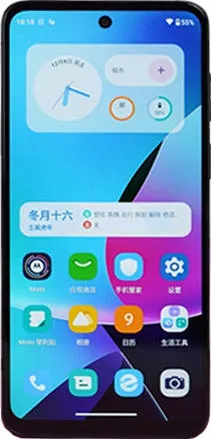

Motorola Moto G53 vs. Google Pixel 9: A Deep Dive for the Discerning User
Hello fellow tech explorers! Alex Griffin here, ready to dissect the Motorola Moto G53 and the Google Pixel 9. We'll go beyond the spec sheets to uncover what these phones truly offer in the real world. Let's dive in!
1. Specifications Breakdown
| Feature | Motorola Moto G53 | Google Pixel 9 | Real-World Implications |
|---|---|---|---|
| Design | |||
| Dimensions (mm) | 162.7 x 74.7 x 8.2 | 152.8 x 72 x 8.5 | Pixel 9 is more compact and potentially easier to handle one-handed. |
| Weight (g) | 183 | 198 | Moto G53 is noticeably lighter, reducing hand fatigue during extended use. |
| Build Materials | Plastic | Glass/Aluminum | Pixel 9 offers a more premium feel and potentially better durability. |
| Display | |||
| Type | IPS LCD | OLED | Pixel 9 delivers richer blacks, vibrant colors, and improved power efficiency. |
| Size (inches) | 6.5 | 6.3 | Negligible difference in screen real estate. |
| Resolution | 720 x 1600 | 1080 x 2424 | Pixel 9 offers significantly sharper visuals, crucial for media consumption and gaming. |
| Refresh Rate (Hz) | 120 | 120 | Both phones provide smooth scrolling and animations. |
| Performance | |||
| Chipset | Snapdragon 480+ 5G | Google Tensor G4 | Pixel 9's Tensor G4 offers superior processing power, especially for AI tasks and demanding apps. |
| CPU | Octa-core | Octa-core | Pixel 9's more advanced core architecture translates to faster performance. |
| RAM (GB) | 4/6/8 | 12 | Pixel 9's 12GB RAM ensures seamless multitasking and smooth performance even with heavy usage. |
| Storage (GB) | 128 | 128/256 | Pixel 9 offers a 256GB option for users needing more storage. |
| Camera | |||
| Main Camera (MP) | 50 | 50 | Comparable resolution, but Pixel 9 likely benefits from Google's advanced image processing. |
| Selfie Camera (MP) | 8 | 10.5 | Pixel 9 boasts a higher resolution selfie camera for better self-portraits. |
| Video Recording | 1080p@30fps | Up to 4K@60fps | Pixel 9 offers significantly better video recording capabilities. |
| Battery Life | |||
| Capacity (mAh) | 5000 | 4700 | Moto G53 has a larger battery capacity, suggesting potentially longer battery life. |
| Charging | 18W | proprietary Fast Charging | Pixel 9 likely charges faster but details on wattage is missing from provided specifications. |
2. Key Insights
- Performance: The Pixel 9's Tensor G4 chip and 12GB RAM dwarf the Moto G53's Snapdragon 480+ and 4/6/8GB RAM, resulting in a noticeably smoother and more responsive experience, especially for demanding tasks.
- Display: While both phones have 120Hz refresh rates, the Pixel 9's OLED display delivers a vastly superior visual experience with vibrant colors and deep blacks. The Moto G53's lower resolution screen is a significant drawback.
- Camera: Both phones have 50MP main cameras, but the Pixel 9 leverages Google's renowned computational photography expertise, likely resulting in better image quality, especially in challenging conditions. Its superior video recording capabilities are also noteworthy.
- Battery Life: The Moto G53's larger battery might last longer on paper, but real-world battery life depends on numerous factors. The Pixel 9's OLED display and optimized software could potentially offset the capacity difference.
3. User Profiles and Recommendations
- Moto G53: Budget-conscious users who prioritize battery life and basic functionality. Ideal for calling, texting, social media browsing, and light gaming.
- Pixel 9: Users who demand top-tier performance, a premium display, and an excellent camera experience. Perfect for power users, mobile gamers, photographers, and videographers.
4. Buying Decision Framework
- What's your budget? The Moto G53 is significantly more affordable.
- What are your primary phone usage patterns? For basic tasks, the Moto G53 suffices. For demanding tasks, the Pixel 9 excels.
- Which features matter most? Prioritize battery life? Choose the Moto G53. Prioritize performance, display, and camera? Choose the Pixel 9.
My Choice: I would choose the Google Pixel 9. While the Moto G53 offers excellent value for its price, I prioritize a smooth, responsive experience, a vibrant display, and a top-notch camera. The Pixel 9's superior performance, OLED display, and Google's camera prowess are compelling. The higher price is justified for the significantly enhanced user experience. The 12GB of RAM ensures future-proofing for years to come and the Tensor G4, with its focus on AI, opens doors to exciting possibilities. Although battery life is a consideration, I'm confident that the Pixel 9's optimizations will provide ample usage time for my needs.
