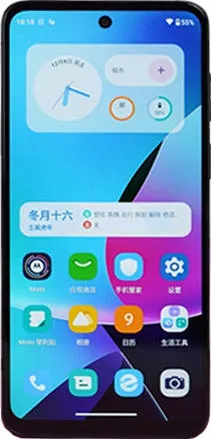

Motorola Moto G53 vs. Google Pixel 8 Pro: A Deep Dive
Let's dissect the Motorola Moto G53 and the Google Pixel 8 Pro, two smartphones occupying different ends of the price-performance spectrum. My goal is to equip you with the knowledge to decide which phone, if either, fits your needs.
1. Specifications Breakdown
| Feature | Motorola Moto G53 | Google Pixel 8 Pro | Real-World Implications |
|---|---|---|---|
| Design | |||
| Dimensions (mm) | 162.7 x 74.7 x 8.2 | 162.6 x 76.5 x 8.8 | Pixel 8 Pro slightly wider, thicker, but negligibly taller. G53 lighter (183g vs 213g), noticeable in extended use. |
| Build Materials | Plastic | Glass/Aluminum | Pixel 8 Pro feels more premium and durable. G53 prioritizes affordability. |
| Display | |||
| Size | 6.5" | 6.7" | Pixel 8 Pro offers a larger screen for more immersive content. |
| Resolution | 720 x 1600 | 1344 x 2992 | Pixel 8 Pro boasts significantly sharper visuals (489 ppi vs 270 ppi), crucial for detail and text clarity. |
| Type | IPS LCD | LTPO OLED | Pixel 8 Pro's OLED provides deeper blacks, richer colors, and better power efficiency. |
| Refresh Rate | 120Hz | 120Hz | Both offer smooth scrolling and animations, but Pixel 8 Pro's LTPO allows for dynamic refresh rate, saving battery. |
| Performance | |||
| Chipset | Snapdragon 480+ 5G | Google Tensor G3 | Tensor G3 offers vastly superior processing power, impacting speed, multitasking, and gaming. |
| CPU | Octa-core (2.2 GHz) | Nona-core (3.0 GHz) | Pixel 8 Pro's more powerful and efficient CPU handles demanding tasks with ease. |
| RAM | 4/6/8GB | 12GB | Pixel 8 Pro's ample RAM ensures smooth performance even with heavy multitasking. |
| Camera | |||
| Main Camera | 50MP | 50MP | Similar megapixel count, but Pixel 8 Pro's larger sensor (1/1.31") and advanced processing will likely deliver better image quality. |
| Ultrawide | N/A | 48MP | Pixel 8 Pro offers a dedicated ultrawide lens for capturing expansive scenes. |
| Telephoto | N/A | 48MP with 5x Optical Zoom | Pixel 8 Pro enables high-quality zoomed shots, absent in the G53. |
| Battery Life | |||
| Capacity | 5000 mAh | 5050 mAh | Similar battery capacities, but Pixel 8 Pro's more efficient OLED and chip likely result in longer real-world usage. |
2. Key Insights
The Pixel 8 Pro is a flagship smartphone with cutting-edge technology, while the Moto G53 is a budget-friendly option prioritizing affordability. The Pixel 8 Pro excels in every category, offering a superior display, vastly improved performance, a more versatile camera system, and potentially longer battery life thanks to its efficient hardware. The G53’s strength lies in its price point, offering 5G connectivity and a decent battery at a fraction of the cost.
3. User Profiles and Recommendations
Moto G53: Suitable for budget-conscious users who prioritize basic smartphone functionality: calling, texting, web browsing, and light social media usage. Its 5G connectivity is a bonus for future-proofing.
Pixel 8 Pro: Ideal for power users, photographers, and anyone seeking a premium smartphone experience. Its powerful hardware, advanced camera system, and stunning display cater to demanding tasks and multimedia consumption.
4. Buying Decision Framework
- What is your budget? The G53 is significantly more affordable.
- What are your primary smartphone needs? Basic functionality vs. demanding tasks and multimedia.
- How important are camera quality and performance? The Pixel 8 Pro offers a substantial upgrade in both areas.
Scenario-Based Recommendations:
- Student on a Tight Budget: Moto G53
- Professional Photographer: Pixel 8 Pro
- Casual User Wanting a Reliable Phone: Moto G53 (if budget is a major concern), Pixel 8 Pro (if long-term performance and camera quality are prioritized)
My Choice: Google Pixel 8 Pro
While the Moto G53 offers excellent value for its price, I would choose the Google Pixel 8 Pro. As a tech journalist, I demand top-tier performance, a brilliant display for reviewing content, and a versatile camera system for capturing events. The Pixel 8 Pro's Tensor G3 chip, coupled with its 12GB of RAM, ensures a smooth and responsive experience for multitasking and running demanding applications. The superior camera system, particularly the telephoto lens, is essential for documenting events and capturing high-quality images. While the price is higher, the long-term value proposition, encompassing software updates, performance longevity, and overall user experience, makes the Pixel 8 Pro the clear winner for my needs. The jump in screen quality alone is a massive factor for daily use.
