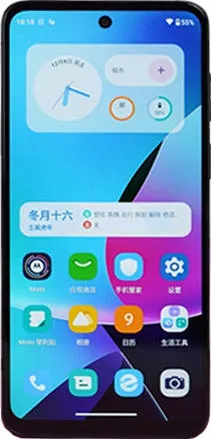
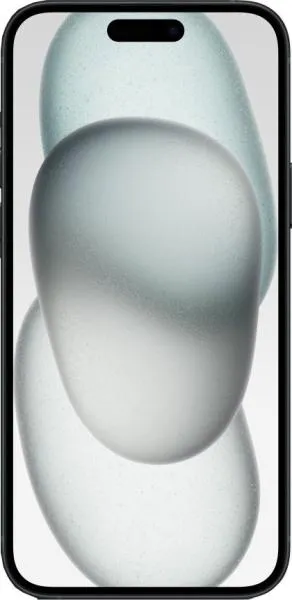
Motorola Moto G53 vs. Apple iPhone 15 Plus: A Deep Dive
Let's dissect the Motorola Moto G53 and the Apple iPhone 15 Plus, translating their spec sheets into real-world experiences. We'll go beyond the numbers to understand what these devices offer for everyday use.
1. Specifications Breakdown
| Feature | Motorola Moto G53 | Apple iPhone 15 Plus | Real-World Implications |
|---|---|---|---|
| Design | Plastic Body | Aluminum & Glass | iPhone feels more premium; Moto G53 might be more durable against drops. |
| Dimensions (mm) | 162.7 x 74.7 x 8.2 | 160.9 x 77.8 x 7.8 | iPhone 15 Plus slightly shorter, wider, and thinner. Moto G53 lighter. |
| Weight (g) | 183 | 201 | Moto G53 noticeably lighter for extended use. |
| Display | 6.5" IPS LCD, 120Hz | 6.7" OLED, ~460 ppi | iPhone boasts superior color accuracy, contrast, and sharpness. Moto G53 offers smoother scrolling. |
| Resolution | 720 x 1600 | 1290 x 2796 | Significantly sharper visuals and text on the iPhone. |
| Performance | Snapdragon 480+ 5G | A16 Bionic | iPhone dramatically outperforms in demanding tasks, gaming, and app responsiveness. |
| RAM | 4/6/8GB | 6GB | More RAM options on Moto G53, but iPhone's optimized OS requires less RAM. |
| Camera | 50MP Main, 2MP Macro | 48MP Main, 12MP Ultrawide | iPhone's superior image processing and secondary lens offer greater versatility. |
| Video | 1080p@30fps | 4K@60fps with HDR | iPhone capable of significantly higher resolution and dynamic range video recording. |
| Battery Life | 5000 mAh | 4383 mAh | Moto G53 has a larger battery, but real-world usage depends on software optimization. |
| OS | Android 13 | iOS 17 | Different ecosystems with distinct user interfaces and app availability. |
| Price Range | Medium | Medium | Moto G53 generally more affordable than iPhone 15 Plus. |
2. Key Insights
- Performance Disparity: The A16 Bionic chip in the iPhone 15 Plus obliterates the Snapdragon 480+ in the Moto G53. Expect blazing-fast performance, seamless multitasking, and smooth gaming on the iPhone. The Moto G53 will handle basic tasks, but heavy lifting might result in lag.
- Display Quality: The iPhone's Super Retina XDR display is a visual treat, with vibrant colors, deep blacks, and incredible detail. The Moto G53's 120Hz display provides smoother scrolling, but image quality isn't comparable.
- Camera Prowess: While megapixels aren't everything, the iPhone 15 Plus combines its high-resolution sensor with advanced image processing, resulting in stunning photos and videos. The addition of an ultrawide lens enhances versatility. The Moto G53's camera system is functional but lacks the iPhone's refinement.
- Software Experience: Android and iOS offer fundamentally different experiences. Android provides greater customization options, while iOS is known for its simplicity and user-friendliness.
3. User Profiles and Recommendations
- Moto G53: Budget-conscious users who prioritize battery life and a smooth display for everyday tasks like browsing, social media, and light gaming.
- iPhone 15 Plus: Users seeking a premium experience with top-tier performance, a stunning display, excellent cameras, and seamless integration within the Apple ecosystem. Ideal for demanding users, photographers, and videographers.
4. Buying Decision Framework
- What's your budget? The Moto G53 offers significantly more value for money if price is a major concern.
- What are your performance needs? If you need a phone for demanding tasks or gaming, the iPhone 15 Plus is the clear winner.
- Which operating system do you prefer? Consider your familiarity and preference for Android's customization or iOS's simplicity.
My Choice: As a tech journalist focused on performance and long-term value, I would choose the iPhone 15 Plus. The superior processor, display, camera system, and consistent software updates justify the higher price. While the Moto G53 offers excellent value, the iPhone's performance and ecosystem better suit my needs as a power user who relies on their phone for both work and personal use. The significant difference in processing power and overall camera quality make the iPhone 15 Plus the better choice in the long run, even considering the price difference. While the Moto G53 offers a larger battery and a smoother refresh rate on its display, these advantages are outweighed by the iPhone's overall superior performance and features. I appreciate a device that can handle demanding tasks, capture high-quality photos and videos, and offer a consistently smooth and reliable user experience.
