Motorola Moto G53 vs. Apple iPhone 15: A Deep Dive
Let's dissect the Motorola Moto G53 and the Apple iPhone 15, going beyond the spec sheet to understand what these phones offer in the real world.
1. Specifications Breakdown
| Feature | Motorola Moto G53 | Apple iPhone 15 | Real-World Implications |
|---|---|---|---|
| Design | |||
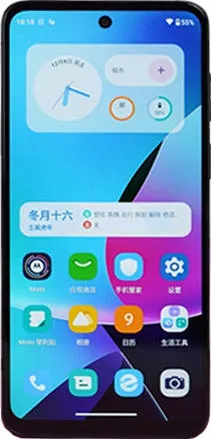
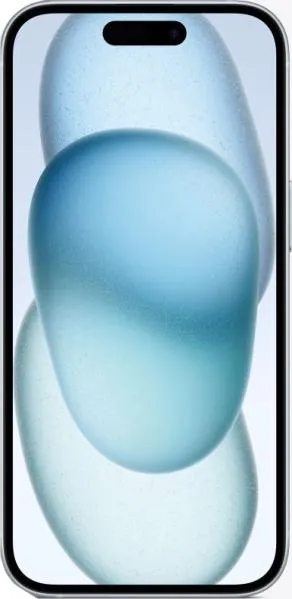
| Dimensions (mm) | 162.7 x 74.7 x 8.2 | 147.6 x 71.6 x 7.8 | iPhone 15 is noticeably smaller and thinner, making it more pocketable. |
| Weight (g) | 183 | 171 | iPhone 15 is lighter, reducing fatigue during extended use. |
| Build Materials | Plastic | Aluminum & Glass | iPhone 15's premium materials offer better durability and a more luxurious feel. |
| Display | |||
| Size (inches) | 6.5 | 6.1 | Moto G53 offers a larger screen for media consumption, while iPhone 15 is more compact. |
| Resolution | 720 x 1600 | 1179 x 2556 | iPhone 15 boasts significantly higher resolution, resulting in sharper text and images. |
| Display Type | IPS LCD | Super Retina XDR OLED | iPhone 15's OLED delivers superior contrast, vibrant colors, and true blacks. |
| Refresh Rate | 120Hz | - | Moto G53's higher refresh rate should provide smoother scrolling and animations. G53's 120Hz may not always be active due to its lower-end processor. |
| Performance | |||
| Chipset | Snapdragon 480+ 5G | Apple A16 Bionic | iPhone 15's A16 chip offers significantly faster processing power for demanding tasks and gaming. |
| RAM (GB) | 4/6/8 | 6 | iPhone 15's optimized RAM management should deliver smooth performance despite having less RAM than some G53 variants. |
| OS | Android 13 | iOS 17 | Different operating systems cater to different user preferences and ecosystems. |
| Camera | |||
| Main Camera (MP) | 50 | 48 | While iPhone 15 has fewer megapixels, its larger sensor and advanced image processing likely result in better overall image quality. |
| Video | 1080p@30fps | Up to 4K@60fps | iPhone 15 offers much higher video resolution and frame rates for professional-grade recording. |
| Battery Life | |||
| Capacity (mAh) | 5000 | 3349 | Moto G53 has a larger battery capacity, suggesting longer potential battery life, though real-world usage will vary. |
2. Key Insights
- Performance Disparity: The iPhone 15's A16 Bionic chip significantly outperforms the Moto G53's Snapdragon 480+. This translates to a smoother, faster experience across all tasks, especially demanding applications and games.
- Display Quality: The iPhone 15's Super Retina XDR OLED display provides a vastly superior visual experience with richer colors, deeper blacks, and higher sharpness compared to the Moto G53's IPS LCD.
- Camera Prowess: While megapixel counts are close, the iPhone 15 benefits from Apple's advanced image processing and larger sensor size, likely resulting in superior image quality, especially in low-light conditions. Its video recording capabilities are also far more advanced.
- Software Ecosystem: The choice between Android and iOS often comes down to personal preference. Android offers more customization options, while iOS is known for its simplicity and tight integration within the Apple ecosystem.
- Battery Life Considerations: The Moto G53's larger battery capacity may offer longer usage time, but the iPhone 15's energy-efficient A16 chip could potentially offset this advantage. Real-world battery life will depend on individual usage patterns.
3. User Profiles and Recommendations
- Moto G53: Best suited for budget-conscious users who prioritize battery life and a large screen for media consumption. Ideal for casual users who primarily use their phone for browsing, social media, and light gaming.
- iPhone 15: Ideal for users who demand top-tier performance, a premium display, and excellent camera capabilities. A good choice for power users, photographers, videographers, and mobile gamers.
4. Buying Decision Framework
- What is your budget? The Moto G53 is significantly more affordable.
- What are your performance needs? If you need a powerful phone for demanding tasks, the iPhone 15 is the clear winner.
- Which operating system do you prefer? Consider your familiarity and preference for Android's customization or iOS's simplicity.
My Choice: Apple iPhone 15
While the Moto G53 offers excellent value for its price, I would choose the iPhone 15. The significant performance advantage, superior display, and advanced camera capabilities are crucial for my workflow as a tech journalist. The seamless integration within the Apple ecosystem is another factor, allowing for efficient content creation and device synergy. While the price premium is considerable, the iPhone 15's long-term value proposition, driven by software updates and robust performance, makes it a worthwhile investment for my needs.
