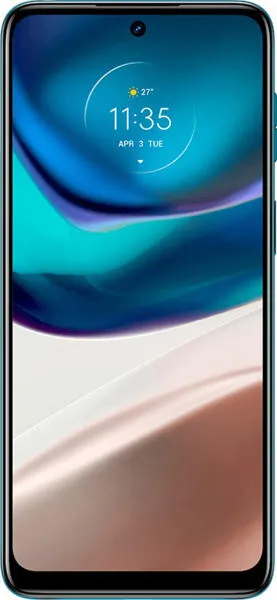
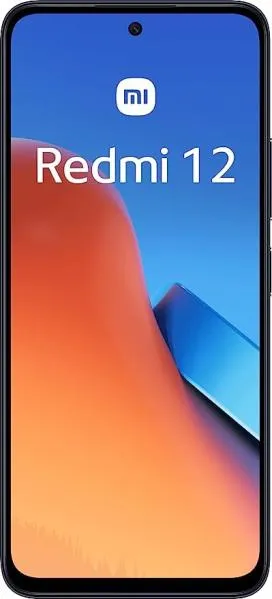
Motorola Moto G42 vs. Xiaomi Redmi 12: A Practical Comparison
Let's dive deep into a comparative analysis of the Motorola Moto G42 and the Xiaomi Redmi 12, translating their technical specifications into real-world implications for you.
1. Specifications Breakdown
| Feature | Motorola Moto G42 | Xiaomi Redmi 12 | Real-World Implications |
|---|---|---|---|
| Design | |||
| Dimensions (mm) | 160.4 x 73.5 x 8 | 168.6 x 76.3 x 8.2 | Redmi 12 is larger and slightly thicker. Moto G42 might feel more compact and pocketable. |
| Weight (g) | 175 | 198.5 | Redmi 12 is noticeably heavier. Prolonged use might lead to hand fatigue. |
| Display | |||
| Type | AMOLED | IPS LCD | Moto G42 offers deeper blacks and more vibrant colors. Redmi 12 has a 90Hz refresh rate for smoother scrolling. |
| Size (inches) | 6.4 | 6.79 | Redmi 12 has a larger screen, providing more immersive content consumption. |
| Resolution | 1080 x 2400 | 1080 x 2460 | Similar sharpness, but Redmi 12's larger display might slightly reduce pixel density. |
| Performance | |||
| Chipset | Snapdragon 680 | Helio G88 | Both are mid-range chipsets, but benchmarks suggest Snapdragon 680 might offer slightly better efficiency. |
| CPU | Octa-core (4x2.4 GHz & 4x1.9 GHz) | Octa-core (2x2.0 GHz & 6x1.8 GHz) | Redmi 12's higher clock speed on performance cores could offer a slight edge in demanding tasks. |
| RAM | 4GB | 8GB | Redmi 12 offers significantly more RAM, enabling better multitasking and app performance. |
| OS | Android 12 | Android 13 | Redmi 12 comes with a newer Android version out-of-the-box, offering potential feature and security advantages. |
| Camera | |||
| Main Camera | 50MP | 50MP | Both have the same resolution main sensor, image quality will depend on processing and lens quality. |
| Selfie Camera | 16MP | 8MP | Moto G42 boasts a higher resolution selfie camera, promising better detail and clarity. |
| Battery Life | |||
| Capacity | 5000mAh | 5000mAh | Both offer large battery capacities, expecting all-day battery life with moderate usage. |
| Charging | 20W Fast Charging | 18W Fast Charging | Moto G42 offers slightly faster charging. |
2. Key Insights
- Display: The Moto G42's AMOLED display excels in color vibrancy and deep blacks, making it ideal for media consumption. However, the Redmi 12's 90Hz refresh rate delivers a noticeably smoother user experience, particularly for scrolling and gaming.
- Performance: While both phones have mid-range processors, the Redmi 12's 8GB RAM provides a significant advantage in multitasking and overall responsiveness. The Moto G42 might be slightly more power-efficient, potentially leading to better battery life under heavy load.
- Camera: While both phones feature a 50MP main camera, real-world performance will depend on image processing. The Moto G42 has a clear advantage in selfie quality with its higher resolution sensor.
- Software: The Redmi 12 ships with Android 13, giving it a head start in terms of features and potential future updates compared to the Moto G42's Android 12.
3. User Profiles and Recommendations
- Moto G42: Best suited for users prioritizing display quality for media consumption and a compact form factor. Ideal for casual users, social media enthusiasts, and those on a tighter budget.
- Redmi 12: Recommended for users who value smooth performance, multitasking capabilities, and a larger display. Perfect for gamers, power users, and those who keep many apps open simultaneously.
4. Buying Decision Framework
- What is your budget? Both phones are in the mid-range, but price differences might exist depending on storage variants.
- Is display quality or a smooth refresh rate more important to you? AMOLED vs. 90Hz is a key differentiator.
- Do you prioritize multitasking and overall performance, or a compact design and vibrant colors?
Scenario-Based Recommendations:
- Student on a budget: Moto G42 offers a good balance of features at a potentially lower price.
- Mobile gamer: Redmi 12's 90Hz display and larger RAM will enhance the gaming experience.
My Choice: Xiaomi Redmi 12
While the Moto G42's AMOLED display is tempting, as a tech journalist who often juggles multiple apps and tasks, the Redmi 12's 8GB RAM and smoother 90Hz refresh rate are crucial for my workflow. The larger display also enhances productivity and content consumption. While I appreciate the Moto G42's compact design, the Redmi 12's performance advantages outweigh the size and weight difference for my needs. The newer Android version on the Redmi 12 also signals longer-term software support and access to more current features, which I value.
