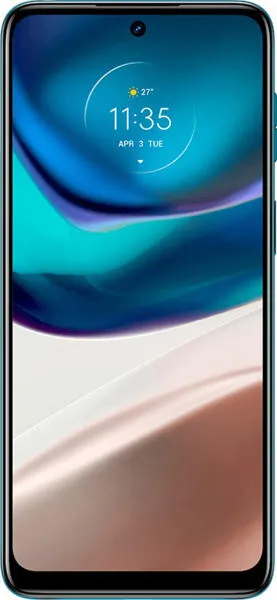

Motorola Moto G42 vs. Samsung Galaxy S24+: A Deep Dive
Let's dissect the Motorola Moto G42 and the Samsung Galaxy S24+ to see how these phones stack up in the real world. We'll go beyond the spec sheet to understand what these numbers truly mean for your daily usage.
1. Specifications Breakdown
| Feature | Motorola Moto G42 | Samsung Galaxy S24+ | Real-World Implications |
|---|---|---|---|
| Design | |||
| Dimensions (mm) | 160.4 x 73.5 x 8 | 158.5 x 75.9 x 7.7 | S24+ slightly smaller, potentially more pocketable. |
| Weight (g) | 175 | 196 | S24+ noticeably heavier, might impact one-handed use. |
| Display | |||
| Size (inches) | 6.4 | 6.7 | S24+ offers a larger screen for more immersive content consumption. |
| Resolution (px) | 1080 x 2400 | 1440 x 3120 | S24+ significantly sharper; text, images, and videos will appear clearer and more detailed. |
| Type | AMOLED | Dynamic AMOLED 2X | S24+ likely brighter with better color accuracy and smoother scrolling (120Hz refresh rate). |
| Performance | |||
| Chipset | Snapdragon 680 4G | Snapdragon 8 Gen 3 | S24+ vastly more powerful; expect significantly faster performance in all tasks, including demanding games. |
| CPU | Octa-core (2.4 GHz) | Octa-core (3.39 GHz) | S24+ handles multitasking and complex applications with ease. |
| RAM (GB) | 4 | 12 | S24+ allows for seamless switching between numerous apps without slowdown. |
| Camera | |||
| Main Camera (MP) | 50 | 50 | Comparable megapixel count, but S24+ likely utilizes a larger, more advanced sensor. |
| Video | 1080p@30fps | Up to 8K@30fps | S24+ offers significantly higher video resolution and frame rates for professional-grade recording. |
| Battery Life | |||
| Capacity (mAh) | 5000 | 4900 | Similar battery capacities, but real-world battery life will depend on usage and optimization. S24+'s more powerful processor could consume more power. |
| Fast Charging | 20W | 45W | S24+ charges significantly faster. |
2. Key Insights
- Performance Powerhouse: The Galaxy S24+ is a clear winner in performance, thanks to its cutting-edge Snapdragon 8 Gen 3 processor and ample RAM. This translates to a buttery smooth experience, even with demanding tasks. The Moto G42, while adequate for everyday use, will show its limitations with heavy multitasking or gaming.
- Display Delight: The S24+'s Dynamic AMOLED 2X display is a visual treat, offering vibrant colors, deep blacks, and a sharp resolution. The higher refresh rate ensures fluid scrolling and animations. The Moto G42's AMOLED screen is decent, but the S24+ provides a noticeable upgrade.
- Future-Proofing: The S24+, with 5G connectivity, Android 14, and promised updates to Android 21, is a phone built for the future. The Moto G42's 4G connectivity and limited future OS updates might feel dated sooner.
3. User Profiles and Recommendations
- Moto G42: Best suited for budget-conscious users who prioritize essential smartphone functions like calling, texting, web browsing, and social media. It's a reliable device for casual users who don't demand top-tier performance or cutting-edge features.
- Galaxy S24+: Ideal for power users, gamers, content creators, and anyone who demands the best possible smartphone experience. It excels in performance, display quality, camera capabilities, and future-proofing.
4. Buying Decision Framework
- What's your budget? The Moto G42 is significantly more affordable.
- What are your performance needs? For demanding tasks, the S24+ is a must.
- How important is future-proofing? The S24+ offers longer software support and 5G.
My Choice: As a tech journalist who constantly pushes devices to their limits, I would choose the Samsung Galaxy S24+. The significant performance leap, stunning display, and future-proof features are crucial for my workflow. While the Moto G42 is a solid budget option, the S24+'s premium experience aligns better with my needs, despite the higher price tag. The ability to seamlessly run resource-intensive apps, capture high-quality video, and enjoy a smooth, responsive interface is invaluable. The investment in the S24+ is an investment in long-term performance and usability.
