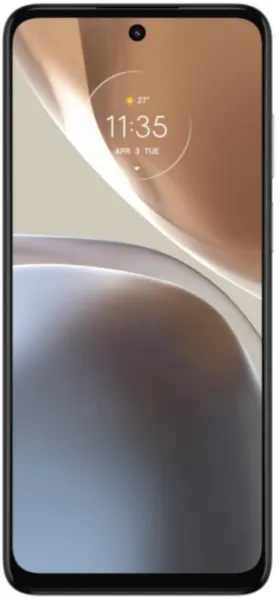
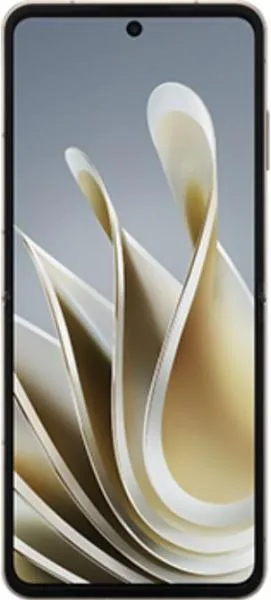
Motorola Moto G32 vs. ZTE nubia Flip: A Detailed Comparison
The mid-range smartphone market offers a plethora of choices, each catering to specific needs and preferences. Today, we'll dissect two intriguing contenders: the Motorola Moto G32, a solid budget-friendly option, and the ZTE nubia Flip, a foldable phone pushing the boundaries of innovation in its price segment. Let's delve into a comprehensive comparison to understand what each device brings to the table.
1. Specifications Breakdown
| Feature | Motorola Moto G32 | ZTE nubia Flip | Real-World Implications |
|---|---|---|---|
| Design | |||
| Dimensions (mm) | 161.8 x 73.8 x 8.5 | 170 x 75.5 x 7 | Flip's compact folded size enhances portability; G32 is thinner when unfolded. |
| Weight (g) | 184 | 214 | G32 is noticeably lighter for extended use. |
| Foldable | No | Yes | Flip offers a unique form factor and larger screen real estate in a pocketable design. |
| Display | |||
| Type | IPS LCD, 90Hz | Foldable OLED, 120Hz | Flip boasts vibrant colors, deeper blacks, and smoother scrolling thanks to OLED and higher refresh rate. G32's LCD is power-efficient. |
| Size (inches) | 6.5 | 6.9 | Flip provides a more immersive viewing experience. |
| Resolution (px) | 1080 x 2400 | 1188 x 2790 | Flip has a sharper display due to higher resolution and pixel density. |
| Performance | |||
| Chipset | Snapdragon 680 4G | Snapdragon 7 Gen 1 | Flip significantly outperforms the G32 in processing power and graphics rendering, enabling smoother multitasking and gaming. |
| CPU | Octa-core (4x2.4 GHz & 4x1.9 GHz) | Octa-core (1x2.4 GHz, 3x2.36 GHz, 4x1.8 GHz) | Flip's more powerful CPU architecture and higher clock speeds translate to faster app loading and responsiveness. |
| RAM | 6GB (as tested) | 8GB | Flip's larger RAM capacity allows for more efficient multitasking and smoother performance with demanding applications. |
| Camera | |||
| Main Camera | 50MP | 50MP | Both offer high-resolution main cameras; image quality will depend on sensor and processing software – details not fully provided. |
| Selfie Camera | 16MP | 16MP | Similar resolution selfie cameras; real-world performance depends on factors beyond megapixel count. |
| Battery Life | |||
| Capacity (mAh) | 5000 | 4310 | G32 likely offers longer battery life due to its larger capacity and less demanding display technology. Flip's foldable screen and powerful processor consume more power. |
2. Key Insights
The Moto G32 prioritizes practicality and affordability. Its strengths lie in its long-lasting battery, lightweight design, and clean Android experience. However, it compromises on processing power and display quality.
The ZTE nubia Flip, on the other hand, is a statement piece, showcasing cutting-edge foldable technology. Its vibrant OLED display, powerful processor, and compact folded size are major draws. The trade-offs include a smaller battery, potentially shorter battery life, and a higher price point.
3. User Profiles and Recommendations
Moto G32: Ideal for budget-conscious users who prioritize battery life and reliable performance for everyday tasks like browsing, social media, and light gaming. It's a great option for students, seniors, or anyone seeking a simple, functional smartphone without breaking the bank.
ZTE nubia Flip: Best suited for tech enthusiasts and early adopters who value innovation and a unique user experience. The foldable design and larger screen are perfect for content consumption, multitasking, and showcasing a stylish device. This phone caters to those who prioritize portability and a cutting-edge form factor.
4. Buying Decision Framework
- What is your budget? The G32 is significantly more affordable.
- Do you prioritize the latest technology and a unique form factor? If so, the Flip's foldable design is a compelling feature.
- How important is battery life to you? The G32 likely offers longer battery endurance.
My Choice:
Personally, I would choose the ZTE nubia Flip. While the battery life might be a slight concern, the innovative foldable design, superior display, and significant performance boost offered by the Snapdragon 7 Gen 1 are too enticing to pass up. As a tech journalist, I appreciate being on the cutting edge of mobile technology, and the Flip delivers that experience. I'm willing to adapt my usage habits slightly to accommodate the potentially shorter battery life in exchange for the benefits of a larger, more vibrant display and a truly pocketable device. The Flip's form factor fundamentally changes how I can interact with my phone – making it a more compelling choice for my needs.
