Motorola Moto G32 vs. Xiaomi Redmi Note 13 Pro 4G: A Deep Dive
Let's dissect the Motorola Moto G32 and the Xiaomi Redmi Note 13 Pro 4G, two compelling contenders in the mid-range smartphone arena. We'll go beyond the spec sheet to uncover what these devices offer in real-world usage.
1. Specifications Breakdown
| Feature | Motorola Moto G32 | Xiaomi Redmi Note 13 Pro 4G | Real-World Implications |
|---|---|---|---|
| Design | |||
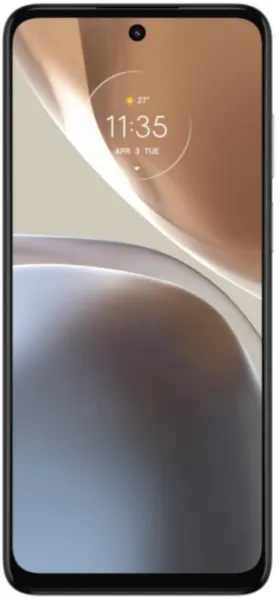
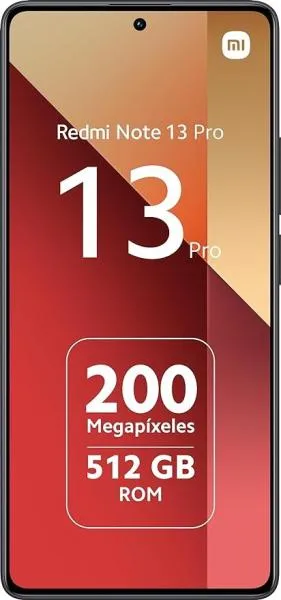
| Dimensions (mm) | 161.8 x 73.8 x 8.5 | 161.1 x 75 x 8 | Note 13 Pro slightly larger; both are generally comfortable to hold. |
| Weight (g) | 184 | 188 | Negligible weight difference in hand. |
| Display | |||
| Type | IPS LCD, 90Hz | AMOLED, 120Hz | Note 13 Pro: Richer colors, deeper blacks, smoother scrolling. G32: Good outdoor visibility. |
| Size | 6.5" | 6.67" | Note 13 Pro offers a slightly larger screen. |
| Resolution | 1080 x 2400 | 1080 x 2400 | Identical sharpness; no discernible difference in pixel density. |
| Performance | |||
| Chipset | Snapdragon 680 4G | MediaTek Helio G99 Ultra | Note 13 Pro: Noticeably faster CPU performance for demanding tasks and gaming. |
| CPU | Octa-core | Octa-core | Note 13 Pro's Cortex-A76 cores provide a performance edge. |
| GPU | Adreno 610 | Mali-G57 MC2 | Note 13 Pro offers better gaming performance. |
| RAM | 6GB | 8GB | Note 13 Pro: Smoother multitasking, better handling of demanding apps. |
| Camera | |||
| Main Camera | 50MP | 200MP | Note 13 Pro: Higher resolution, potentially more detail but dependent on processing. |
| Features | Basic | OIS, Night Mode | Note 13 Pro: Superior image stabilization and low-light capabilities. |
| Battery Life | |||
| Capacity | 5000 mAh | 5000 mAh | Similar battery capacity; actual battery life depends on usage patterns. |
| Charging | 30W | 67W | Note 13 Pro: Significantly faster charging speeds. |
2. Key Insights
The Redmi Note 13 Pro 4G boasts a superior display with its vibrant AMOLED panel and 120Hz refresh rate, making everything from scrolling web pages to playing games feel incredibly smooth. Its Helio G99 Ultra chipset and higher RAM capacity provide a substantial performance advantage over the Moto G32, especially noticeable in demanding tasks and gaming. The 200MP main camera and optical image stabilization further solidify its lead. However, the real-world image quality difference will depend heavily on Xiaomi's image processing.
The Moto G32 shines in its simplicity and affordability. While its Snapdragon 680 offers decent performance for everyday tasks, it's not designed for heavy lifting. The IPS LCD screen is still respectable, especially in bright outdoor conditions. It offers a clean Android experience and a reliable battery life.
3. User Profiles and Recommendations
Redmi Note 13 Pro 4G: Ideal for users who prioritize performance, a vibrant display, fast charging, and advanced camera features. Gamers, content creators, and heavy multitaskers will appreciate its capabilities.
Moto G32: Best suited for budget-conscious users who prioritize essential smartphone functions: calling, texting, web browsing, and casual photography. It's a great option for students, seniors, or anyone seeking a reliable, no-frills device.
4. Buying Decision Framework
- What is your budget? The G32 offers excellent value for its price, while the Note 13 Pro commands a premium for its enhanced features.
- What are your primary smartphone usage patterns? For demanding tasks and entertainment, the Note 13 Pro is a clear winner. For basic communication and light usage, the G32 is a solid choice.
- Which features matter most to you? Prioritize display quality, performance, and camera? Choose the Note 13 Pro. Prioritize affordability and simplicity? Opt for the G32.
My Choice: Xiaomi Redmi Note 13 Pro 4G
While the Moto G32 is a respectable budget option, the Redmi Note 13 Pro 4G aligns better with my personal preferences. As a tech enthusiast, I value a smooth and responsive user experience, which the AMOLED display and powerful Helio G99 chipset deliver in spades. The faster charging is a major convenience, and the potential of the 200MP camera, even with the inherent processing challenges, intrigues me. The price difference is justifiable for the significant leap in performance, display, and camera technology. I'd gladly pay a bit more for the noticeable enhancements the Note 13 Pro offers in day-to-day use.
