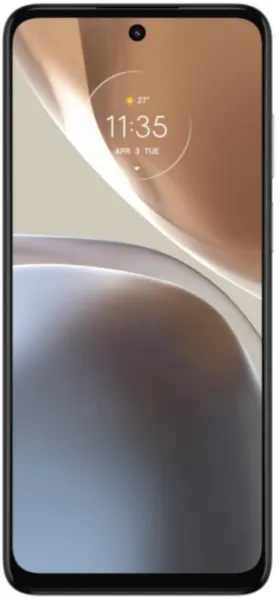
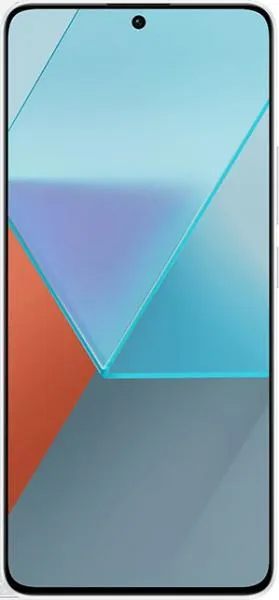
Motorola Moto G32 vs. Xiaomi Redmi Note 13 Pro: A Deep Dive
Let's dissect the Motorola Moto G32 and the Xiaomi Redmi Note 13 Pro, translating their spec sheets into real-world experiences.
1. Specifications Breakdown
| Feature | Motorola Moto G32 | Xiaomi Redmi Note 13 Pro | Real-World Implications |
|---|---|---|---|
| Design | |||
| Dimensions (mm) | 161.8 x 73.8 x 8.5 | 161.2 x 74.2 x 8 | Redmi Note 13 Pro is slightly thinner. Negligible difference in overall size. |
| Weight (g) | 184 | 187 | Virtually identical weight; both feel comfortable in hand. |
| Display | |||
| Type | IPS LCD, 90Hz | AMOLED, 120Hz, Dolby Vision | Redmi boasts a superior display with vibrant colors, deeper blacks, and smoother scrolling. |
| Size | 6.5" | 6.67" | Redmi offers a slightly larger screen for more immersive content. |
| Resolution | 1080 x 2400 | 1220 x 2712 | Redmi packs a sharper display with higher pixel density. |
| Performance | |||
| Chipset | Snapdragon 680 4G | Snapdragon 7s Gen 2 5G | Redmi's newer, more powerful processor enables significantly faster performance and 5G. |
| CPU | Octa-core 2.4 GHz | Octa-core 2.4 GHz | While both have the same max clock speed, Redmi's CPU architecture is more efficient. |
| GPU | Adreno 610 | Adreno 710 | Redmi's GPU offers a considerable boost in graphics performance for gaming and demanding apps. |
| RAM | 6GB | 8GB/12GB | Redmi offers more RAM for smoother multitasking and handling demanding applications. |
| Camera | |||
| Main Sensor | 50MP | 200MP | Redmi's higher resolution main sensor promises more detail but real-world results vary. |
| Video | 1080p@30fps | 4K@30fps | Redmi supports significantly higher video resolution. |
| Battery Life | |||
| Capacity | 5000 mAh | 5100 mAh | Negligible difference in battery capacity. |
| Charging | 30W Fast Charging | 67W Fast Charging | Redmi charges significantly faster. |
2. Key Insights
The Redmi Note 13 Pro demonstrably outperforms the Moto G32 in almost every category. Its AMOLED display offers a vastly superior visual experience with richer colors, deeper blacks, and a faster refresh rate. The Snapdragon 7s Gen 2 chip provides a significant performance advantage, particularly for gaming and multitasking. Redmi's 200MP camera, while not guaranteeing superior image quality solely based on resolution, offers greater flexibility. The 67W fast charging dramatically reduces downtime compared to the Moto G32's 30W.
The Moto G32's strength lies in its affordability. It's a decent budget option for basic tasks like browsing, social media, and casual photography.
3. User Profiles and Recommendations
Moto G32: Best suited for budget-conscious users who prioritize essential smartphone functionality over high-end features. Ideal for light users who primarily use their phone for calls, texting, and web browsing.
Redmi Note 13 Pro: Designed for users who demand a more powerful and feature-rich experience. Ideal for gamers, content creators, and those who value a vibrant display, fast performance, and quick charging.
4. Buying Decision Framework
- What's your budget? The Moto G32 is significantly cheaper.
- What are your primary phone uses? For basic tasks, the G32 suffices. For demanding tasks, the Redmi is necessary.
- How important is display quality and performance? Redmi excels in both areas.
My Choice: Xiaomi Redmi Note 13 Pro
If I were choosing, I'd go for the Redmi Note 13 Pro. The significantly improved display, processor, faster charging, and future-proof 5G connectivity offer a far superior overall experience. While the price difference is notable, the Redmi's performance and feature set justify the investment for a user like myself who values a smooth, responsive, and visually engaging smartphone experience. The leap in technology between the Snapdragon 680 and the 7s Gen 2, combined with the AMOLED display, makes the Redmi Note 13 Pro a clear winner for me.
